
1977 RC Glider World Championships
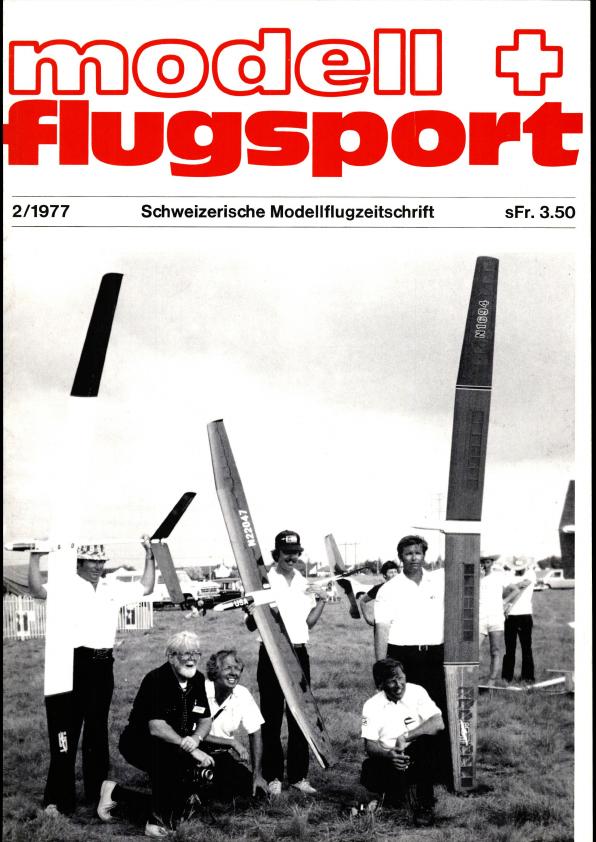
With the help of various people, I was able to write an initial report on the 1st F3B Series A World Championship even before our national team returned. About every two days, I received an audio tape—narrated by our team captain—via a Swissair flight crew. While these lines may be missing some minor details, I’d like to take this opportunity to announce that a detailed report from one of our teammates is on the way.
We would like to take this opportunity to express the heartfelt thanks of the entire national team, as well as our readers, to our “Sandmännchen” for all the effort they put into conveying this information.
Now on to our adventure in South Africa. As is well known, the first World Championships for radio-controlled gliders took place in that country from March 28 to April 2, 1977. The competition was held
at an air base near Pretoria. Our team consisted of pilots Gerhard Läderach, Ruedi Baumgartner, and Paul Gassmann; the high-launch crew of Karl Voser and Heinz Schenk; and, last but not least, the tireless team leader Hansruedi Schläpfer. Finally, I’d like to point out that I immediately analyzed the audio tapes I received and organized them into daily reports. Consequently, speculations and hopes were put down on paper exactly as they were discussed by our team every evening.
Now, enjoy reading about what these people experienced during their first World Championship and how they lived through it.
More than an hour and a half late, our participants arrived at their destination, Johannesburg, exhausted but happy. To their surprise, they were greeted by a large welcoming committee. Fortunately, and without any problems, the “treasures”—that is, the model airplanes—were collected, and off they went to the hotel that had been reserved in advance. After a refreshing dip in the hotel’s swimming pool, however, everyone soon retired for a well-deserved first night’s sleep. The next morning, we were able to get up at a reasonable hour and enjoy a delicious English breakfast. After exploring the city a bit, we inspected the competition site in the afternoon. A beautifully prepared, gently sloping field awaited our pilots. Based on the scoring system and other details, it was clear that the organization was exceptionally well-run. Rankings updated after every flight and every round would keep our participants informed in real time. The only thing left to hope for was that this level of convenience would actually hold up during the World Championships.
The next morning, it was time to assemble the planes for the first time and get them ready for the training day. Unfortunately, the Swiss contingent’s hearts were dealt a severe blow right from Geri’s very first launch. His model veered sharply to the right immediately after takeoff and crashed hard onto the extremely hard ground. Result: a double wing break and an immediate all-out effort involving tubes of glue and sandpaper. Despite this mishap, Geri and the other two pilots were able to return to camp that evening with quite encouraging results.
Lessons learned from the day: perform a low-risk high launch with a turn (with the possibility of the two high-launch pilots coming close to each other); isolated, strong, and tight thermals in the morning; calm conditions from noon until early evening; and finally, good thermal conditions again, resulting in noticeably faster gliding of the models. (Pretoria is located at approx. 1,600 m), so extra caution is needed during the landing approach.
I don’t yet dare to write about the aircraft here; later, based on experience, the most successful models will be described in detail in all the magazines. One thing, however, was clearly evident: the trend toward the “Wölklappen” technique is likely to make its breakthrough in RC gliding at this World Championship. It’s also a pleasure to be able to admire the numerous new designs. Our team captain sees the Americans as the real favorites but feels they are in excellent company alongside the Germans and Italians. Well, soon we’ll be able to report in more detail on the strengths of the various nations.
Armed with the lessons learned from the training day and the hope that “broken pieces bring good luck,” our team leader is looking forward with optimism to the first day of competition, which kicks off on Tuesday, March 29.
Monday, March 28
Right off the bat, our team was greeted at the airfield by the Organizing Committee President with a surprise invitation to a one-hour helicopter sightseeing flight. After a safe return, however, it was time to dive right into the competition. Based on the now-published start list, it became clear that several officially registered nations were absent. Only 12 of the 15 countries actually showed up at the start. This resulted in a total of 34 pilots (Austria = 1 pilot). Gerhard drew number 2, Ruedi number 13 (what a stroke of luck), and Paul number 25.
The competition began with Discipline A. After completing this task, a shift in wind direction prompted the entire group to make an initial trek to the other
end of the course, which took a full hour. During Discipline B, the distance flight, the organization then collapsed to everyone’s horror. However, thanks to a team leaders’ meeting convened that evening, the remaining issues—which were still unsatisfactory—were identified and resolved. The rankings of our pilots after these two flights:
| 1. Ralph Decker | FRG | 1912 P. |
| 3. Ruedi Baumgartner | CH | 1,738 P. |
| 8. Gerhard Läderach | CH | 1,271 P. |
| 11. Paul Gassmann | CH | 1,128 points |
That very evening, Geri tried to get his Hobby Hawk—which had been restored to working order—to fly, but the attempt ended in resignation. Thanks to a generous gesture, the cursed left wing was replaced with a rough-cut version. Nothing stood in the way of Geri and Paul having an intense evening of building, and they managed it in grand style, ensuring that our long-suffering friend from Thun could take to the starting line the next morning with a fully functional model. All the officials were able to see just how meticulously Hansruedi Schläpfer carried out—and continues to carry out—his duties as team leader, for example during the model inspection. All models and documentation passed through the inspection station flawlessly.
The high-launch tactic still seems to cause some unease. On the one hand, the deflection technique ensures a high degree of safety throughout the entire process; on the other hand, one can’t help but envy the enormous launch heights achieved by the competition. Certainly, there is still work to be done on this matter at home; however, at the moment, on the one hand, our models’ characteristics are still somewhat too varied, and on the other hand, a hook-latch mechanism would be a prerequisite for a risk-free direct high launch. The Americans, for example, are demonstrating a high-start technique here that we can always admire among the A2 specialists.
Despite these considerations, our Swiss teammates remain optimistic and are looking forward to competition day.
Tuesday, March 29
The moment of truth has arrived. Right on time at 10 a.m., the championship kicked off with Discipline A (endurance flight). Of our pilots, Paul performed best on this task, with a flight time of 360 seconds and a landing 4 meters from the center. Since this performance was achieved in a Windspiel without air brakes, the team leader was certainly pleased as well. In the distance flight, Ruedi performed best, closely followed by Geri. The fact that the speed flight didn’t go quite as planned for all three pilots was evident from the lively discussion on the tape recording. Unfortunately, in all the commotion, Hansruedi forgot to report the corresponding times.
A later telex, sent after the conclusion of the first round, provided the following rankings for our Swiss pilots:
8th Paul Gassmann
, 18th Gerhard Läderach
, 20th Ruedi Baumgartner
In the team standings, Switzerland landed in 5th place in this interim ranking.
Hansruedi hopes to move up after the second round by eliminating the minor mistakes and with a little luck.
Wednesday, March 30
Right off the bat, I don’t want to keep this from you: instead of optimistic hopes, the Swiss were in for a rude awakening. The second round, which was held in the order of thermals, distance, and speed, clearly revealed just how strong the competition really is.
While Paul scored very poorly due to unfortunate weather conditions, Geri was able to be satisfied with a flight that earned him a nice 948 points. But the fact that this was only enough for 17th place surely surprised him just as much as it did me. The American Miller managed to clinch the coveted thousand-point mark with a flight lasting exactly 360 seconds and a perfect landing. To be continued.
| NO. | NAME | TOTAL | PLACE |
| 17 | Miller U.S.A. | 13185 | 1 |
| 16 | Roos S.A. | 12919 | 2 |
| 7 | Bannister U.K. | 12844 | 3 |
| 8 | Ten Holt Netherl | 12508 | 4 |
| 12 | O'Reilly Austral | 11960 | 5 |
| 24 | Smith Austral | 11855 | 6 |
| 4 | Decker Germany | 11829 | 7 |
| 6 | Nutter U.S.A. | 11702 | 8 |
| 22 | Mattingley U.K. | 11343 | 9 |
| 27 | Schiborr Germany | 11106 | 10 |
| 29 | Payne U.S.A. | 10692 | 11 |
| 2 | Laderach Switzer | 10659 | 12 |
| 1 | Meester Austral | 10544 | 13 |
| 13 | Baumgartner Switzer | 10523 | 14 |
| 5 | Spavins S.A. | 10510 | 15 |
| 31 | van Leeuwen Netherl | 10489 | 16 |
| 19 | Keim Netherl | 10465 | 17 |
| 18 | O'Shea U.K. | 10302 | 18 |
| 34 | van der Meulen Belgium | 10194 | 19 |
| 25 | Gassman Switzer | 10185 | 20 |
| 11 | van Nuffel Belgium | 10181 | 21 |
| 21 | Casadei Italy | 9761 | 22 |
| 15 | Saager Germany | 9683 | 23 |
| 32 | Reuland Canada | 9679 | 24 |
| 14 | Greis Luxembu | 9623 | 25 |
| 20 | Humphreys Canada | 9621 | 26 |
| 33 | Givone Italy | 9504 | 27 |
| 28 | Drew S.A. | 9092 | 28 |
| 10 | Pagliano Italy | 9002 | 29 |
| 9 | Topf Canada | 8629 | 30 |
| 26 | Kemp Luxembu | 8599 | 31 |
| 23 | Gouverneur Belgium | 8540 | 32 |
| 3 | Sfredda Luxembu | 8129 | 33 |
| 30 | Wasner Austria | 7007 | 34 |
TEAM POSITIONS | |
1 | U.S.A. : 35579 |
2 | U.K. : 34489 |
3 | Australia : 34359 |
4 | Netherlands : 33462 |
5 | Germany : 32618 |
6 | South Africa : 32521 |
7 | Switzerland : 31367 |
8 | Belgium : 28915 |
9 | Italy : 28267 |
10 | Canada : 27929 |
11 | Luxemburg : 26351 |
12 | Austria : 7007 |
News from HEBU
TEAM MANAGER "THIS" BOSSHARD
 Rodito Nussbaumer
YOU KNOW WHAT I MEAN? 125 YEARS OF THE SWISS AERO CLUB
 Emil Giezendanner
PRIDE AND GOOD IDEAS
 Markus Nussbaumer
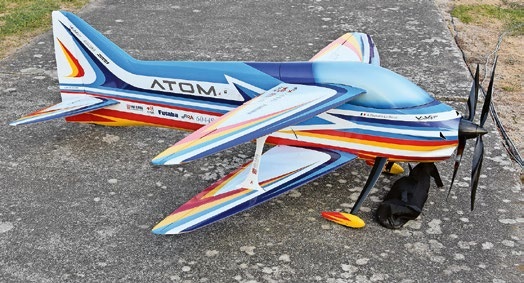
ATOM, THE NEW DOUBLE-DECKER FROM CPLR
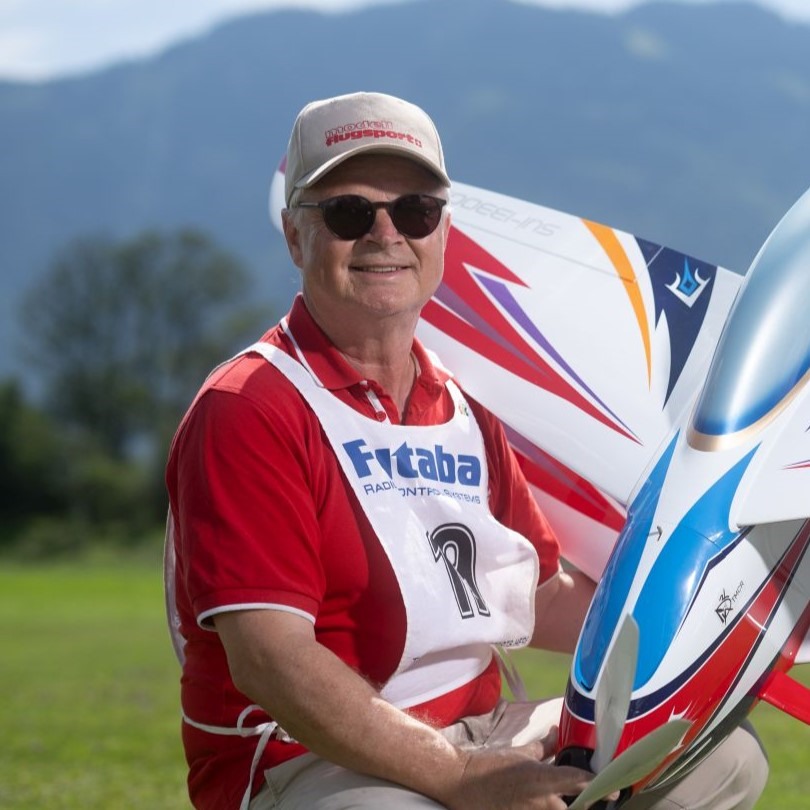 Matthias Bosshard
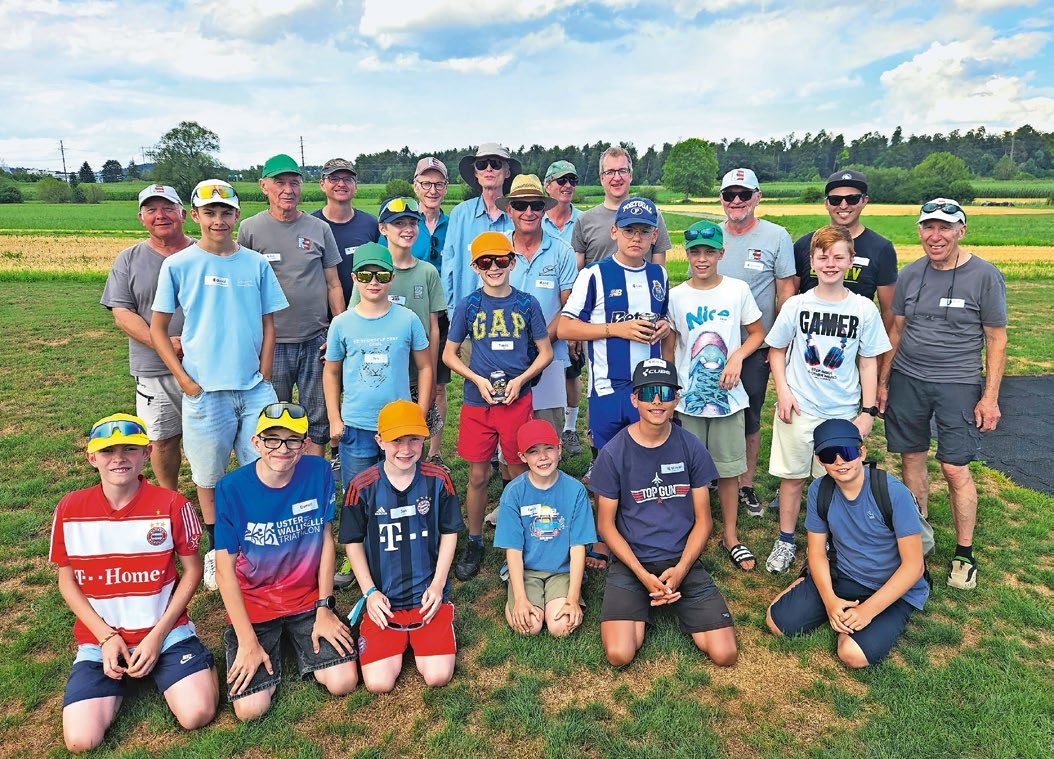
SUMMER FUN 2026 AT MG USTER
Martin Wunderli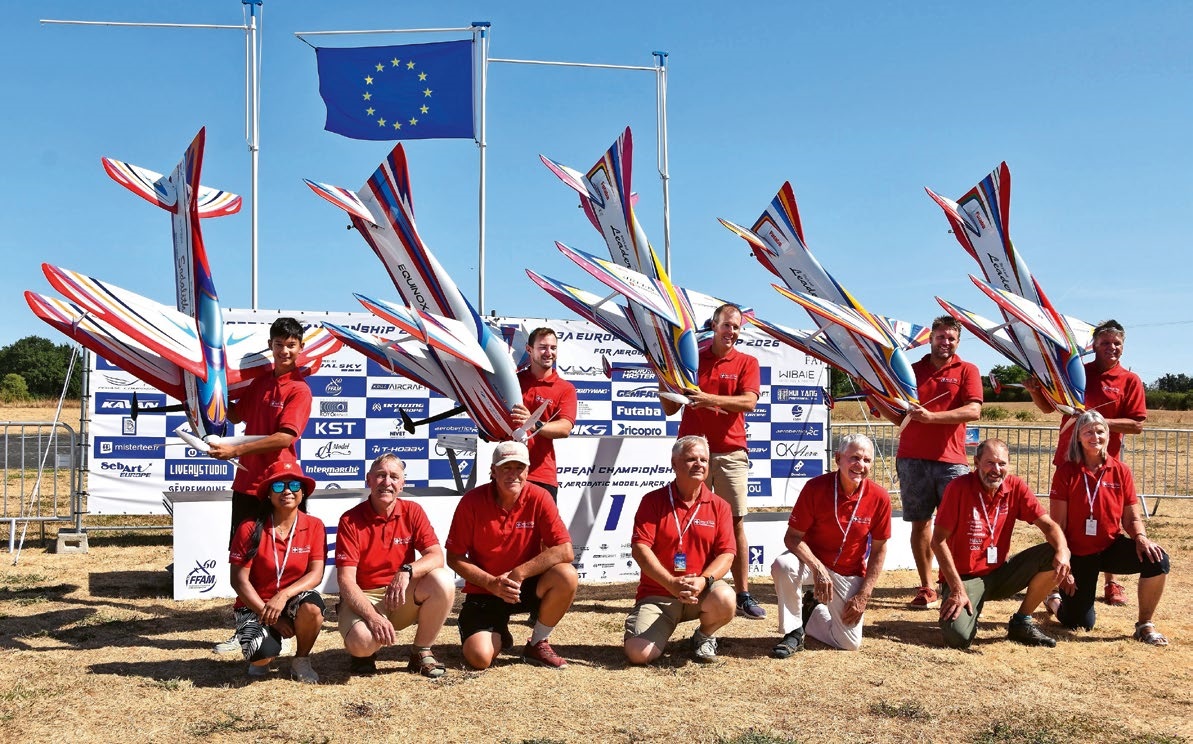
F3A EUROPEAN CHAMPIONSHIPS IN ST-MACAIRE, FRANCE
Matthias Bosshard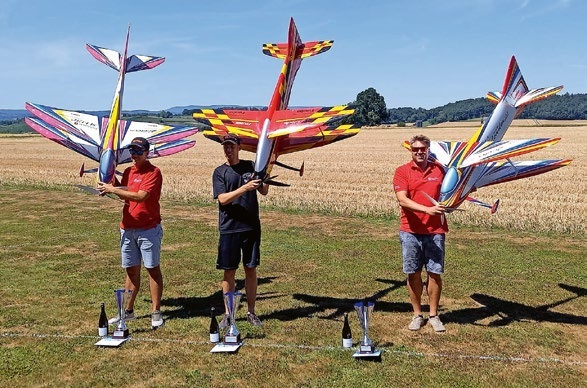
52. 2026 ALPS CUP
Emil Giezendanner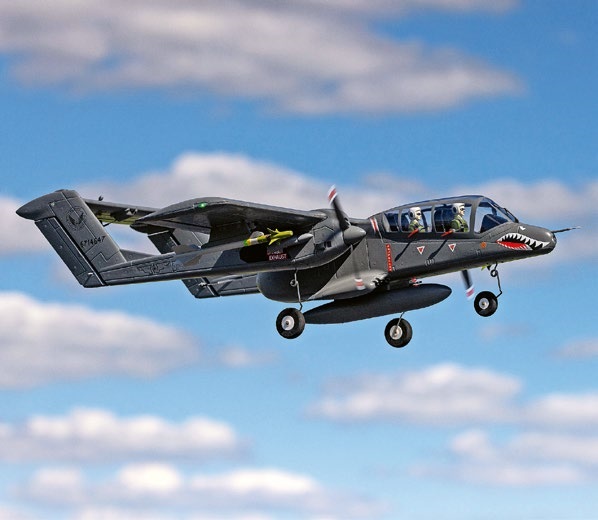
HORIZON HOBBY/LEMACO NEWS: MICRO OV-10 BRONCO 645 MM BY E-FLITE
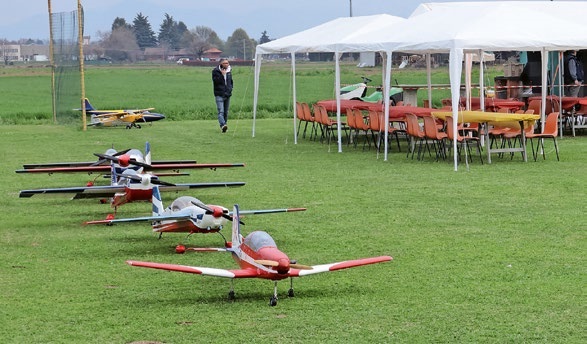
TWIN TOWN PARTNERSHIP
Wolfgang Voeller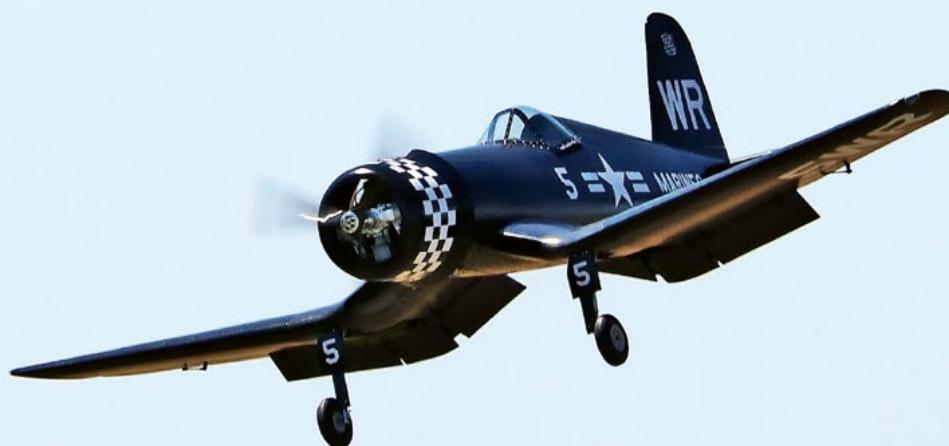
CORSAIR F4U – A WARBIRD WITH A MEMORABLE LOOK
Jürgen Rosenberger, Jürgen Prinz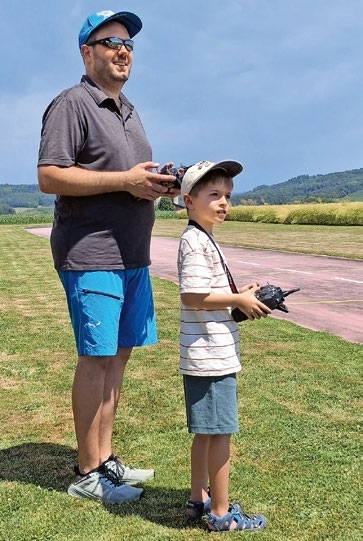
TRY-OUT DAY AT MFV WETTINGEN
Urs Keller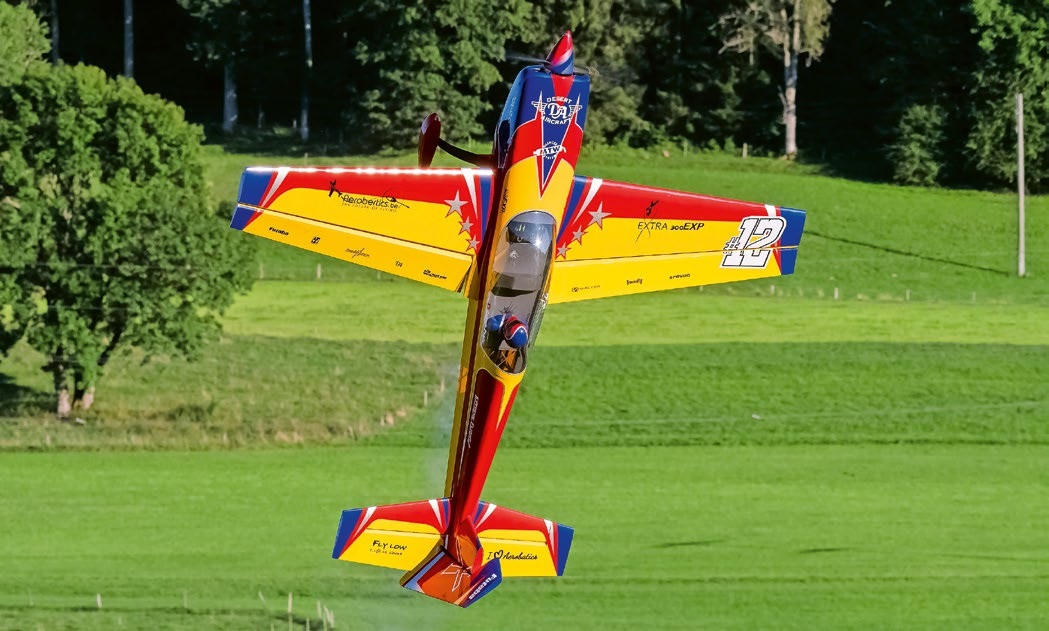
WELCOME, NEW MEMBER!
Andrea Bolliger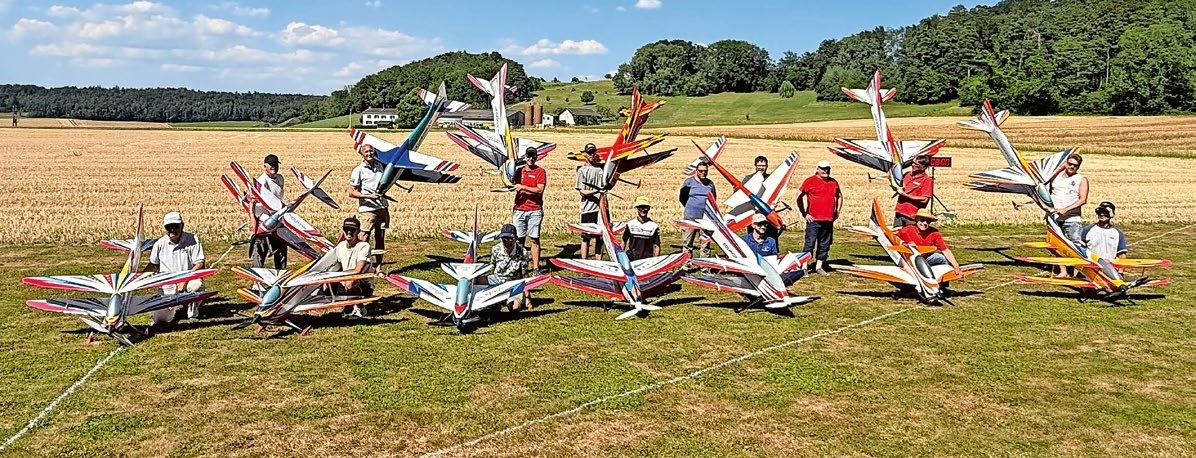
COUPE DES ALPES – OBSERVE AND LEARN
Rodito Nussbaumer
EURO CONTEST GLIDER ACRO TOUR AUSTRIA 2026
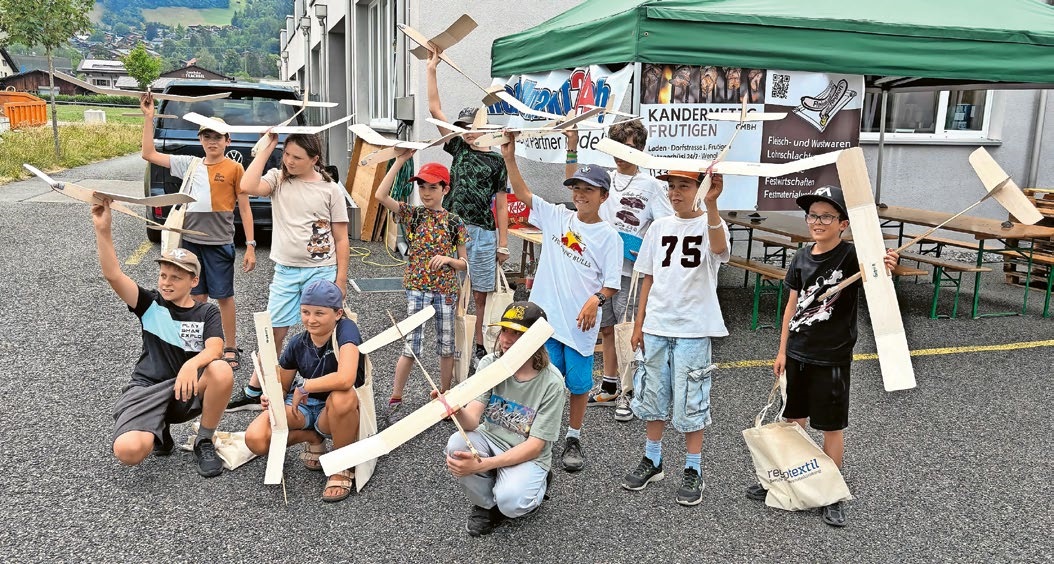
BY YOUTH, FOR YOUTH
Lorena Betschen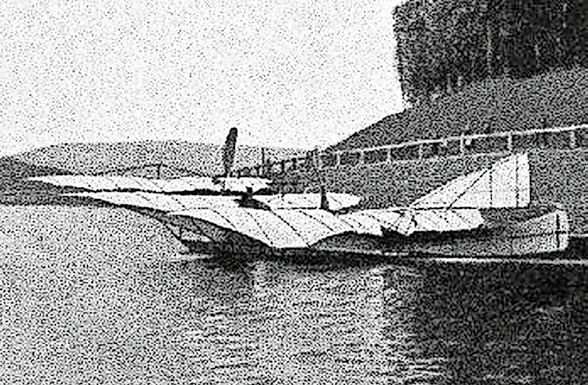
INSIGHTS INTO THE HISTORY OF SEAPLANES
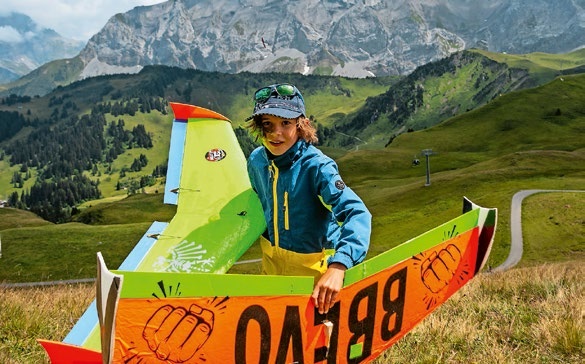
34th HAHNENMOOS ALPINE MODEL AIRPLANE CAMP
Res Dauwalder
SMALL, MODEL-LIKE SAILBOATS
Res Dauwalder
What's New at Leomotion.com
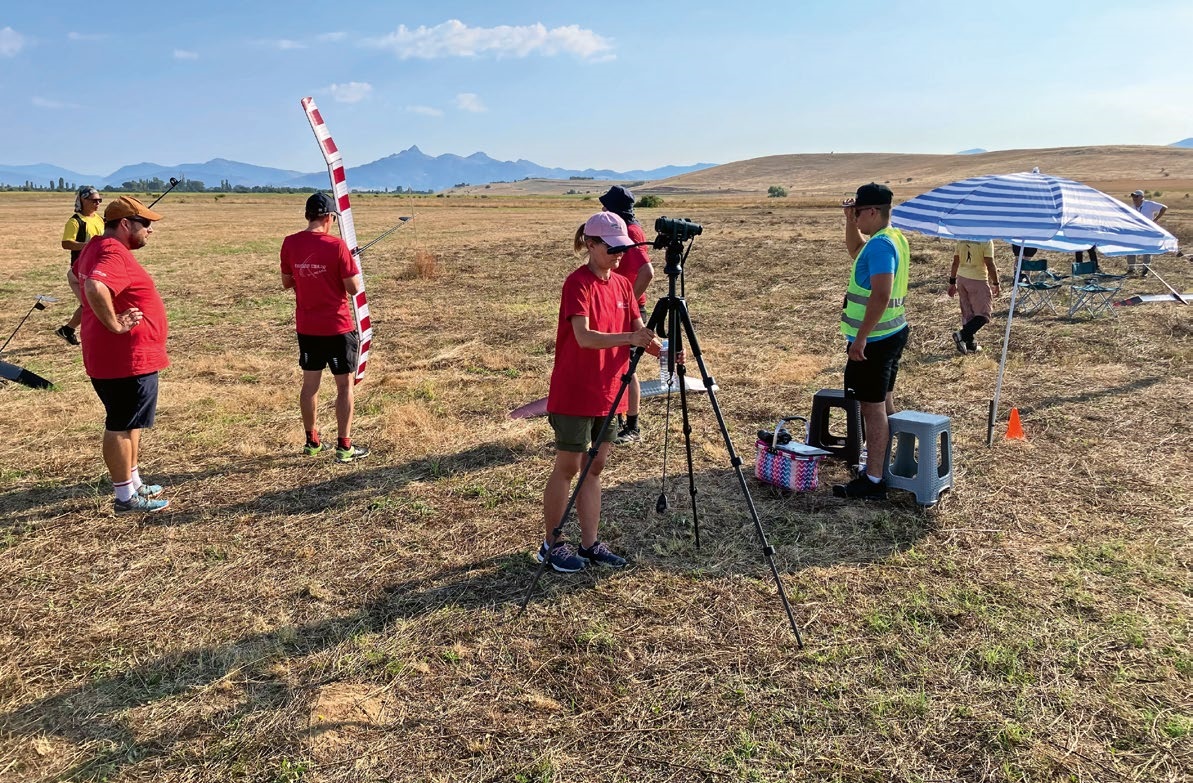
FREE FLIGHT IN THE MIDDLE OF SUMMER
Urs Muntwyler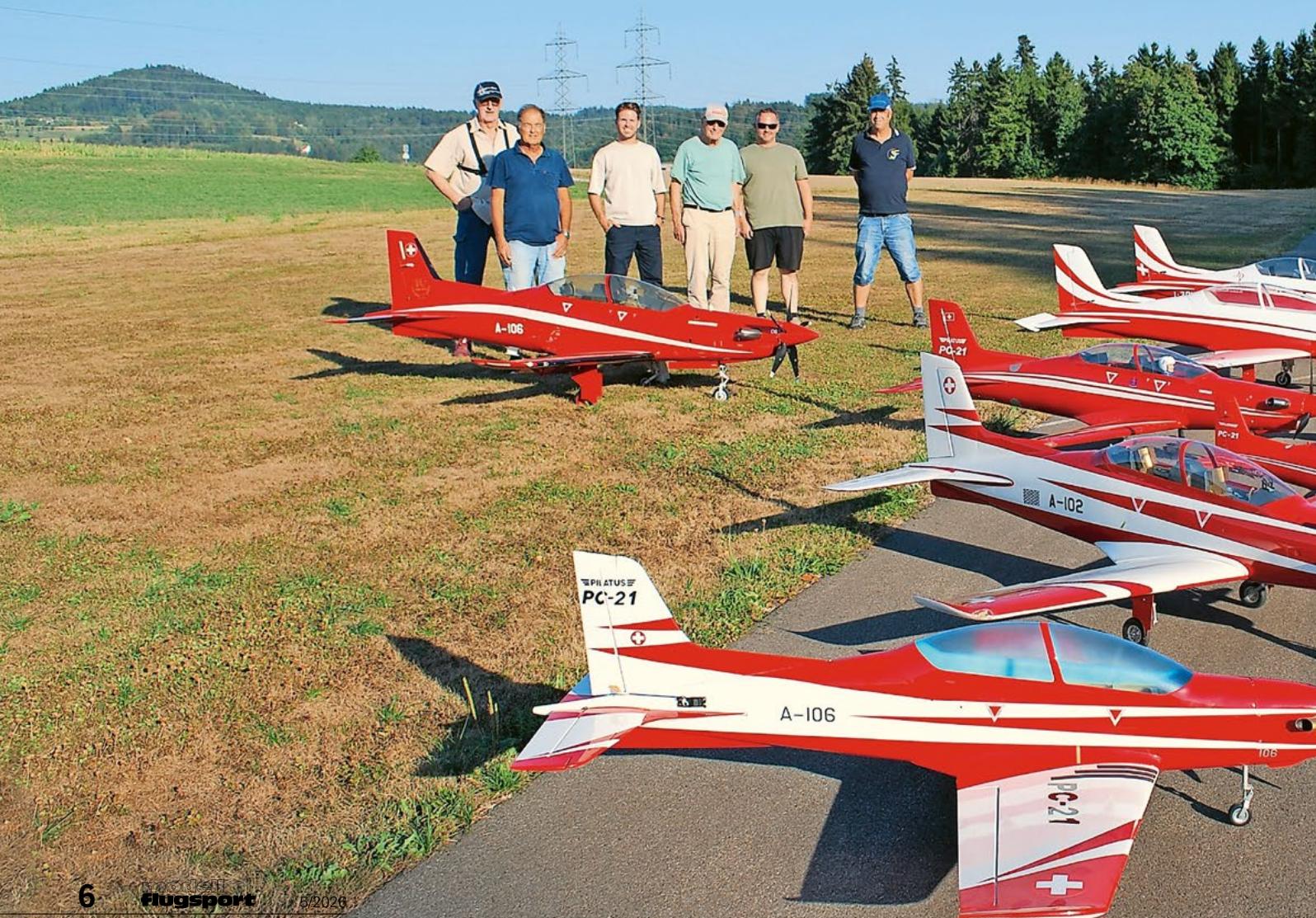
THE PC-21 STORY
Emil Giezendanner
NEWS FROM HEBU
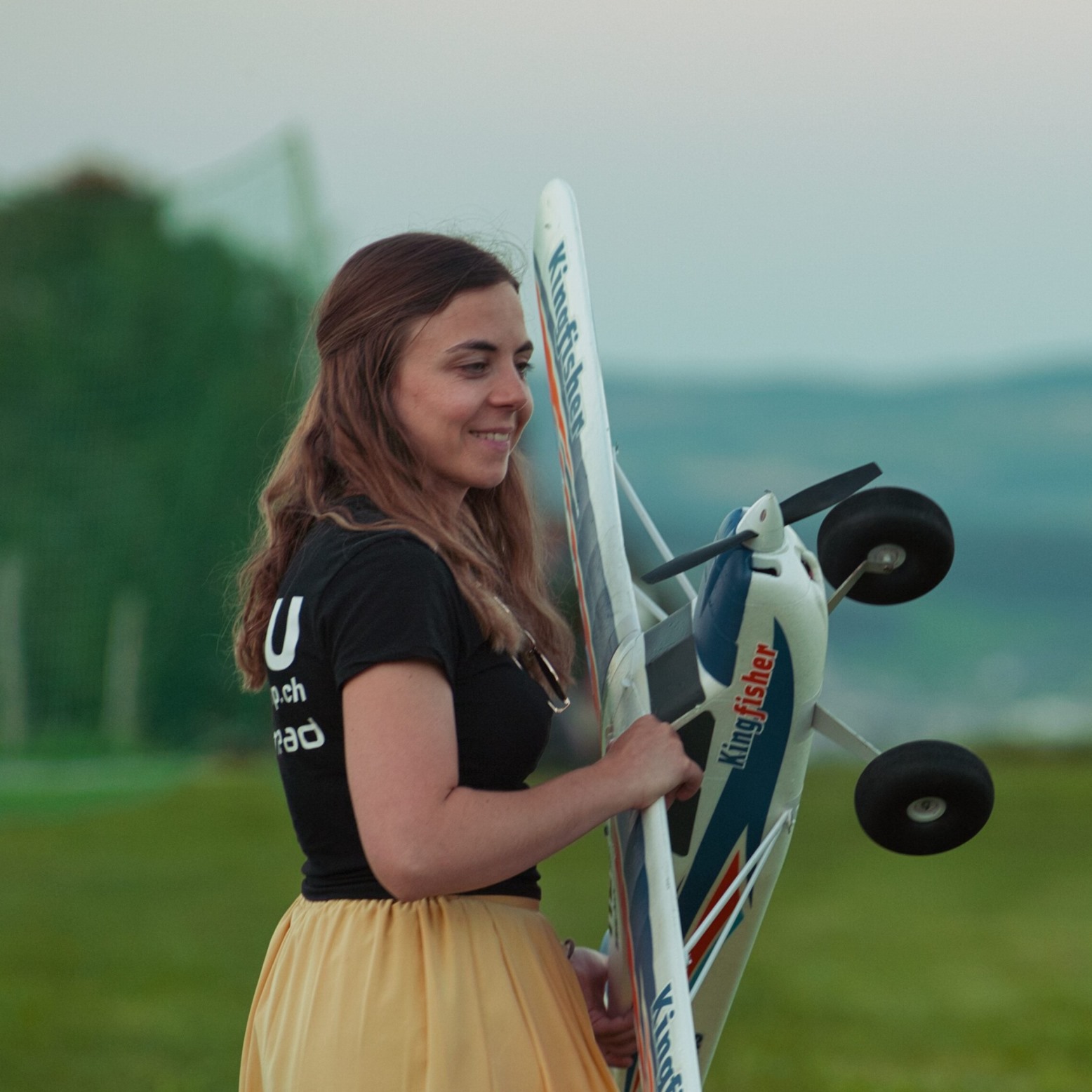 Julia Bucher
FROM 0 TO 100
Markus Nussbaumer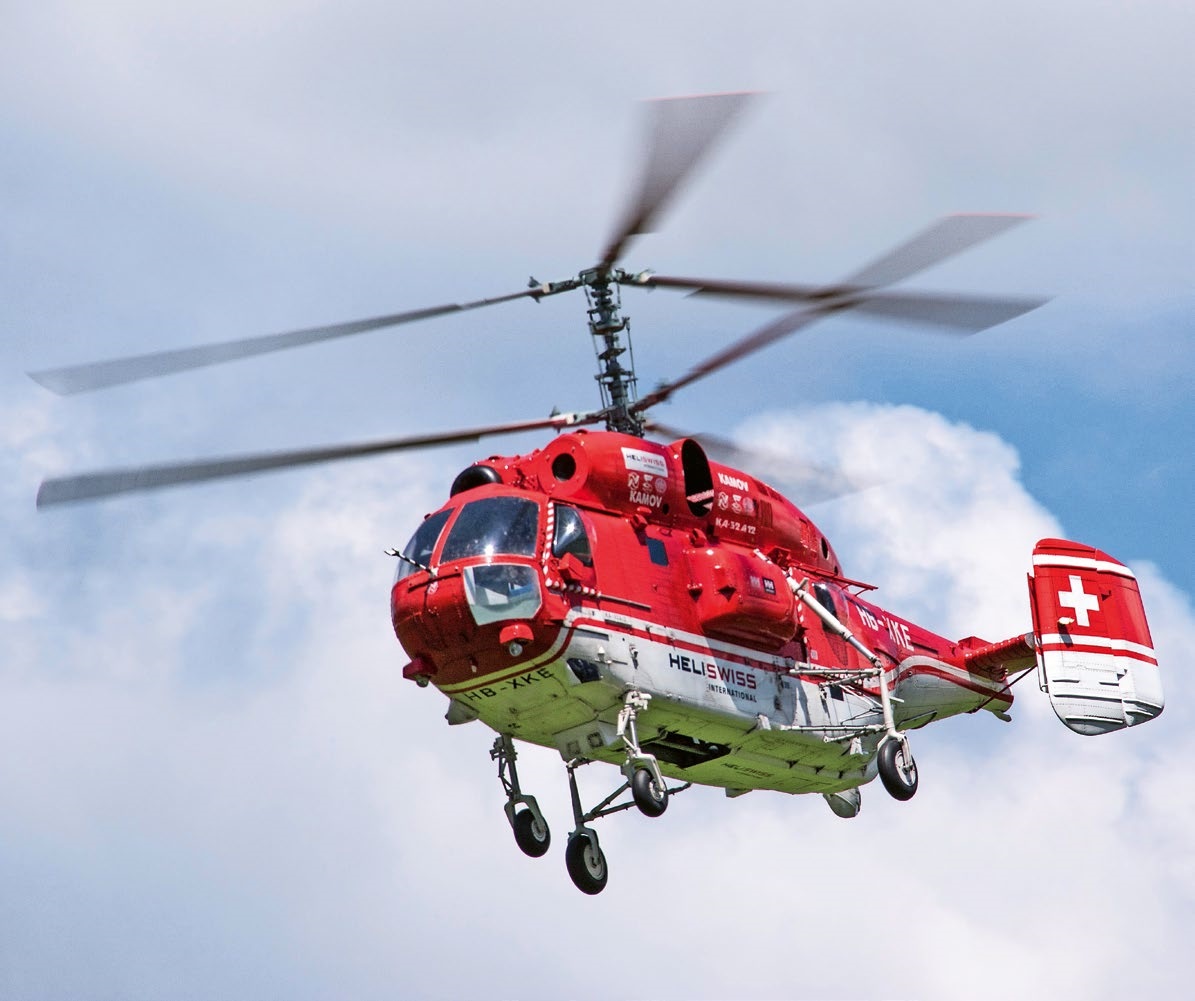
MEMORIES
Wolfgang Völler
NOS REGION – A HUB FOR ELECTRIC AVIATION
Emil Giezendanner
Have you almost forgotten about aircraft that take off and land vertically?
Emil Giezendanner
DO YOU KNOW WHAT I MEAN IN THE LAND OF SMILES?
Emil Giezendanner