
INSIGHTS INTO THE HISTORY OF SEAPLANES
Incomplete, but entertaining
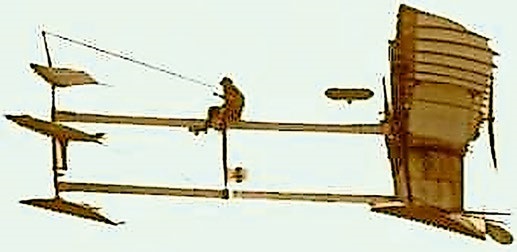
The first seaplane test flights were conducted by Wilhelm Kress in Austria. The takeoff of his first motorized aircraft on the Wienerwald Reservoir on October 3, 1901, failed because the engine was too heavy. The engine (35 PS), which was delivered too late for the test flight, was twice as heavy as contractually specified, causing the aircraft’s floats to break the surface only just before reaching the opposite shore. A strong gust of wind caused the seaplane to sink on the fourth attempt.

On March 28, 1910, the first successful seaplane takeoff took place near Martinique, France. The seaplane, or “hydravion,” was piloted by its inventor, Henri Fabre. Powered by a 50-PS Wankel engine, the aircraft traveled a distance of 1,650 feet (502.92 m) over the water. Fabre nicknamed the aircraft “Le Canard,” meaning “the duck.”
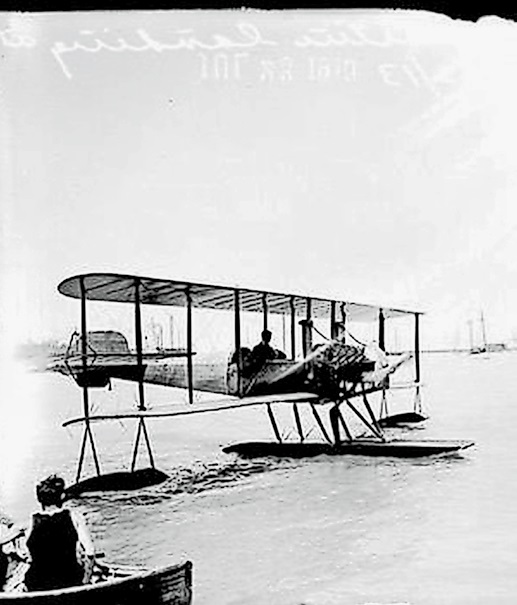
On January 26, 1911, Glenn Curtiss made the first successful flight in a seaplane in America. Curtiss equipped a biplane with floats, and thus managed to take off and land successfully on water.
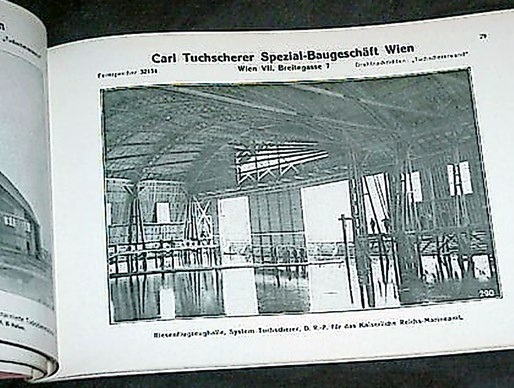
In 1910, the Imperial and Royal Naval Section in Austria began working on the development of aircraft for the navy. As early as 1911, the Austro-Hungarian Monarchy established its seaplane program and began constructing a test station on the island of Santa Catarina, in the port of Pola (a city in the Empire of Austria, Margraviate of Istria, Coastal Region, and the main naval port of the Austro-Hungarian Monarchy). As early as 1913, a flight training station was established on the island of Cosada in the Fazana Channel.
On March 27, 1919, the U.S. Navy completed the first transatlantic flight in a seaplane.
In 1919, the Alfred Comte Air Traffic and Sports Flying School, based in Zurich, purchased five Lohner flying boats from Austria. The total purchase price was 414,215.34 crowns, including packaging, transportation, loading by the Schenker freight forwarding company, and delivery via Nordbahn—including the modifications made to the flight control systems of the flying boats bearing the Swiss registration numbers CH-61 through CH-65.
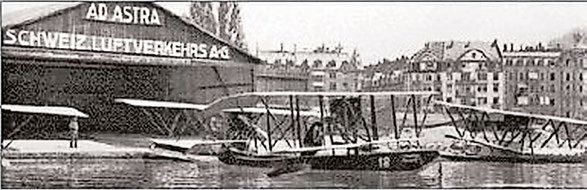
In 1923, the CH-61 and the CH-64 were sold to China. The CH-63 returned to Austria in early April 1928 and was registered with the Aircraft Registry under the registration number A-51 as a seaplane, Class A2.
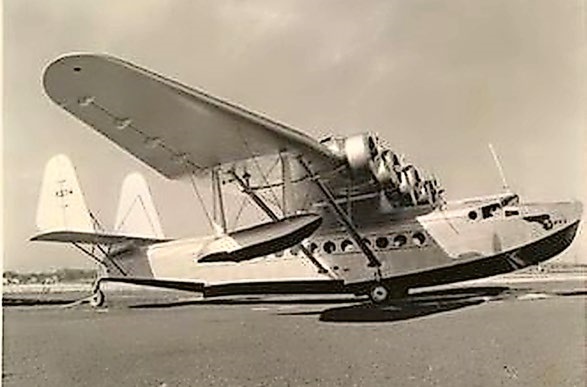
On its maiden flight, this aircraft set new standards in civil aviation. Its range was three times that of earlier designs. In 1934, it became the first aircraft in regular service with Pan American Airways and carried 42 passengers in unparalleled luxury. Sikorsky’s majestic “flying boat,” or seaplane, was used by Pan American Airways between the world wars on many of its groundbreaking international routes across the Atlantic and the Pacific. Pan American used this aircraft for the first flight from Newfoundland to Ireland in 1937 and later for flights from the Americas to Asia.
Sources:
Edited by E. Giezendanner. Various authors.
SPAA Seaplane Pilots Association Austria. Mary Bellis and unknown authors
Read the full article
Sign up or log in to read the full article.

News from HEBU

TEAM MANAGER "THIS" BOSSHARD
 Rodito Nussbaumer

YOU KNOW WHAT I MEAN? 125 YEARS OF THE SWISS AERO CLUB
 Emil Giezendanner

F3A EUROPEAN CHAMPIONSHIPS IN ST-MACAIRE, FRANCE
 Matthias Bosshard

52. 2026 ALPS CUP
Emil Giezendanner
PRIDE AND GOOD IDEAS
 Markus Nussbaumer

ATOM, THE NEW DOUBLE-DECKER FROM CPLR
Matthias Bosshard
CORSAIR F4U – A WARBIRD WITH A MEMORABLE LOOK
Jürgen Rosenberger, Jürgen Prinz
SUMMER FUN 2026 AT MG USTER
Martin Wunderli
TRY-OUT DAY AT MFV WETTINGEN
Urs Keller
TWIN TOWN PARTNERSHIP
Wolfgang Voeller
BY YOUTH, FOR YOUTH
Lorena Betschen
SMALL, MODEL-LIKE SAILBOATS
Res Dauwalder
What's New at Leomotion.com

HORIZON HOBBY/LEMACO NEWS: MICRO OV-10 BRONCO 645 MM BY E-FLITE

COUPE DES ALPES – OBSERVE AND LEARN
Rodito Nussbaumer
EURO CONTEST GLIDER ACRO TOUR AUSTRIA 2026
INSIGHTS INTO THE HISTORY OF SEAPLANES

34th HAHNENMOOS ALPINE MODEL AIRPLANE CAMP
Res Dauwalder
WELCOME, NEW MEMBER!
Andrea Bolliger
FREE FLIGHT IN THE MIDDLE OF SUMMER
Urs Muntwyler
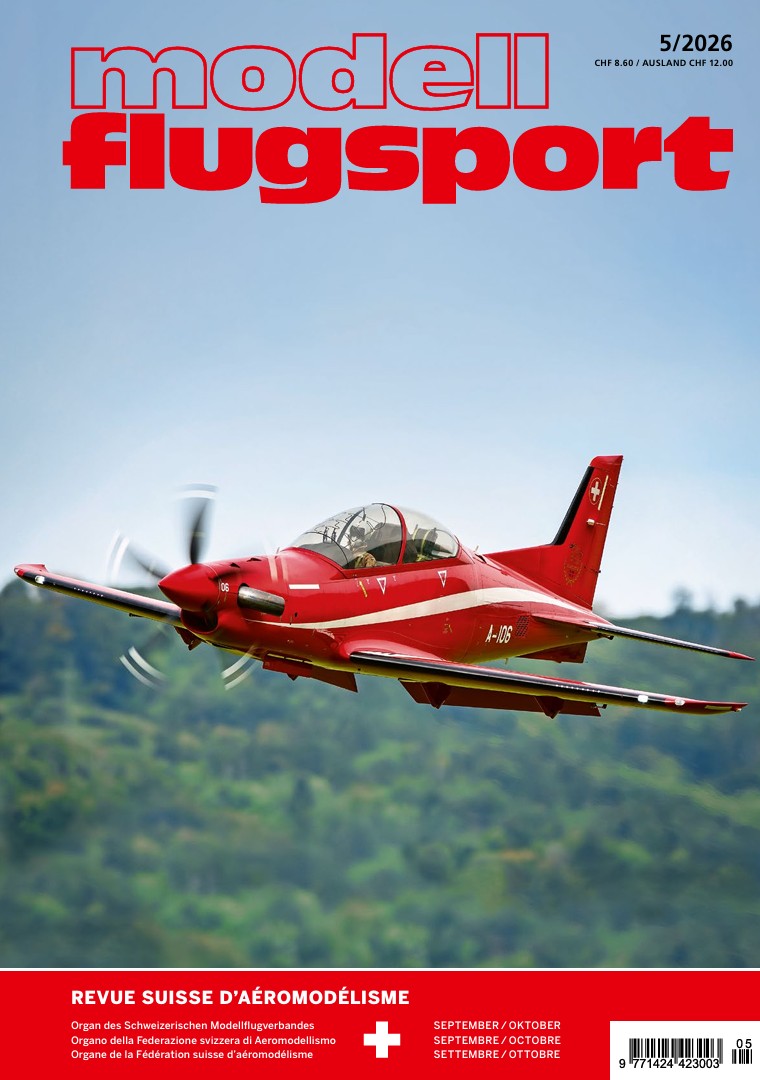
THE PC-21 STORY
Emil Giezendanner
NEWS FROM HEBU
 Julia Bucher

FROM 0 TO 100
Markus Nussbaumer
MEMORIES
Wolfgang Völler
NOS REGION – A HUB FOR ELECTRIC AVIATION
Emil Giezendanner
Have you almost forgotten about aircraft that take off and land vertically?
Emil Giezendanner
DO YOU KNOW WHAT I MEAN IN THE LAND OF SMILES?
Emil Giezendanner