
Frequency control is more necessary than ever
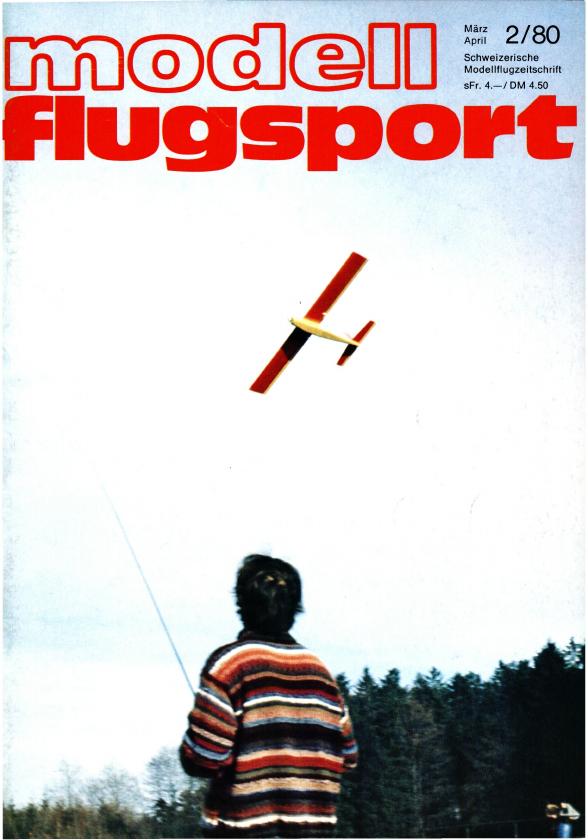
Remote controls or RC systems (there are also “radio control systems,” though the term alone costs at least Fr. 30.-!) are by no means limited to so-called privileged segments of the population anymore. Every child has a remote-control toy these days (not theoretically, but practically speaking)—and anyone who doesn’t have one yet will get one; because I don’t believe there are any children who don’t want a remote-controlled race car or even a motorcycle. That’s exactly what kids want—at least until they have it; then both the remote-controlled car and the motorcycle gather dust next to the tank, the aircraft carrier, and the lead soldiers.
Well, whatever the outcome may be, it certainly can’t make us model aircraft enthusiasts very happy, because even the mere fact that, behind the nearby hill, a father and son are testing out their newly purchased remote-controlled off-road vehicle could send a chill down the spine of a model aviator who, for example, is preparing for a World Championship or some other major competition, or who is fine-tuning an extremely elaborate scale model. First, “radio amateurs for everyone”—and now “remote-control enthusiasts for everyone”! Well, it is far from my intention to create an enemy stereotype here in any way, neither regarding the retail sector nor toy RC vehicles. However, we are going to face problems here that demand our full attention. As the saying goes, you shouldn’t start by cleaning up your neighbor’s mess—you should start with your own first! For this reason, I’d like to call once again for greater discipline in the use of RC systems. The claim that more models have been damaged due to the modelers’ own fault than due to so-called external interference doesn’t seem quite as absurd to me as some would like to believe.
Here is a brief summary of the main causes:
Out of thoughtlessness and carelessness. Especially since it’s now possible to quickly change channels using plug-in crystals. No one knows anymore what the other person has!
If several models are in the air at the same time, it is absolutely essential that all pilots remain at the same location. Flying low over another transmitter at a certain distance can have disastrous consequences.
Whenever the direction of rotation of the servos can be adjusted on the transmitter, the ailerons must be checked even more carefully before each flight. Incorrectly “polarized” ailerons, for example, can pose a serious danger not only to your own model but also to fellow pilots and spectators during takeoff.
Frequency charts or posts can significantly reduce the frequency problem from an organizational standpoint. Of course, this assumes that everyone knows which crystal they have installed, right? However, if a pilot is already experienced enough to know their frequency at least by channel number, a frequency board can be very useful. The board is set up clearly in a central location. Anyone who wants to turn on their transmitter takes the corresponding tag (or clip) from the board and attaches it to their transmitter. If the tag isn’t on the board, then the frequency—provided, of course, that
Everyone sticks to the rules—as proven—and under no circumstances should you turn on your own transmitter—not even with the antenna retracted, just to give it a quick try! After completing the flight—regardless of how it goes—the frequency tag must be returned to its place on the board as quickly as possible. Maybe a friend is eagerly waiting for it, and you certainly don’t want to be the one responsible for him going home frustrated without getting to fly, ruining his whole Sunday—or even his whole week, if possible—just because you left your
You took some cookies to the nearby café to go with your warm coffee!
After presenting the exemplary Graupner frequency chart (distributed by Fulgur, Lausanne) in MFS 6/79—a design ultimately created by none other than François Tapernoux of MG Dübendorf—we would like to showcase another excellent example from FPN, Bern.
My motto is:
Better a panel for the soundboard than a mess in the head and wings.
Warm regards, Emil Giezendanner
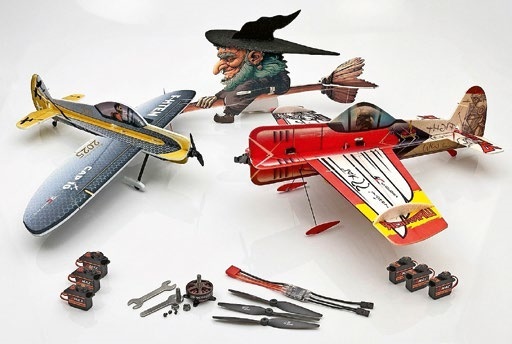
News from HEBU
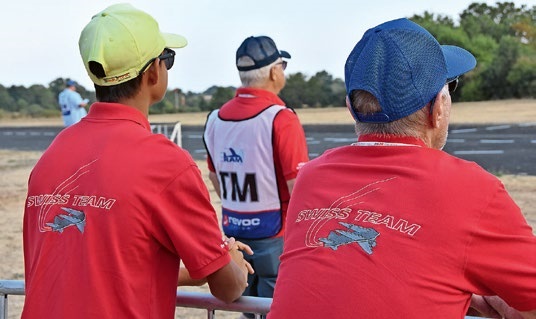
TEAM MANAGER "THIS" BOSSHARD
 Rodito Nussbaumer
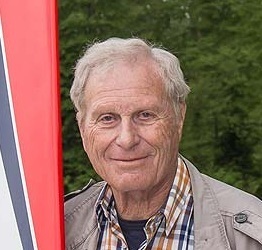
YOU KNOW WHAT I MEAN? 125 YEARS OF THE SWISS AERO CLUB
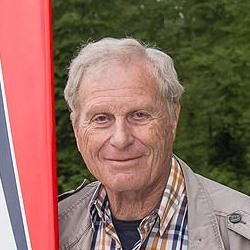 Emil Giezendanner
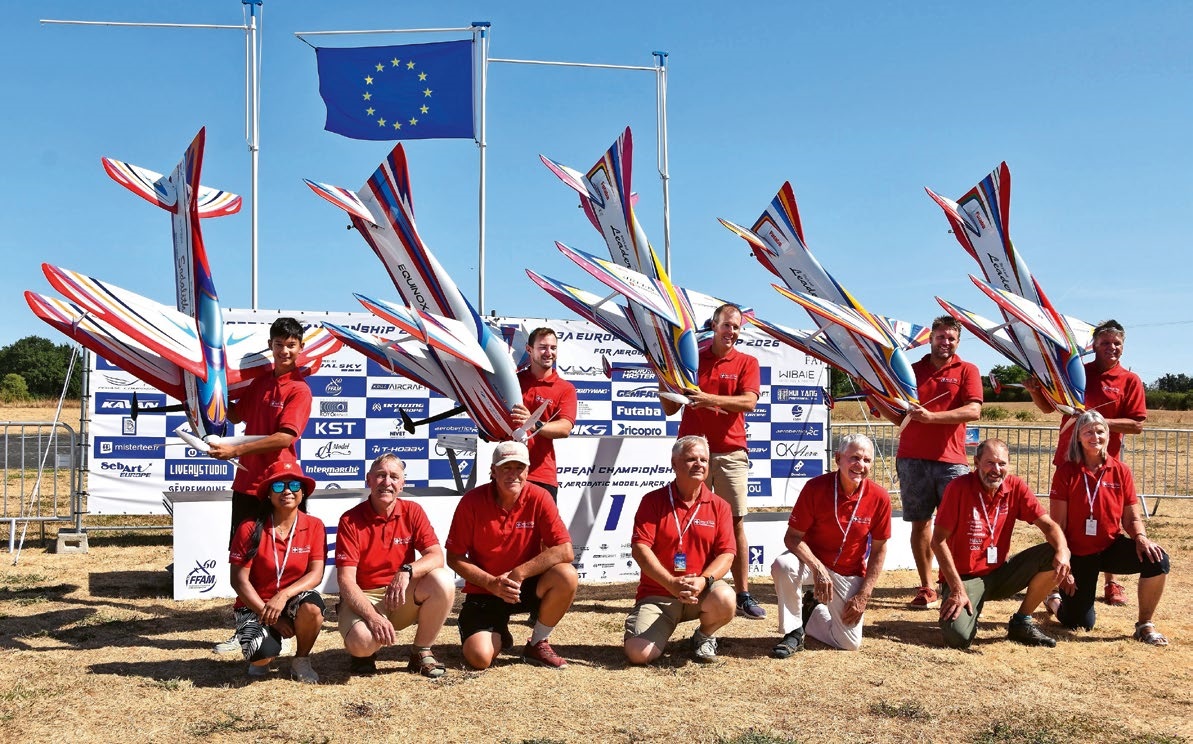
F3A EUROPEAN CHAMPIONSHIPS IN ST-MACAIRE, FRANCE
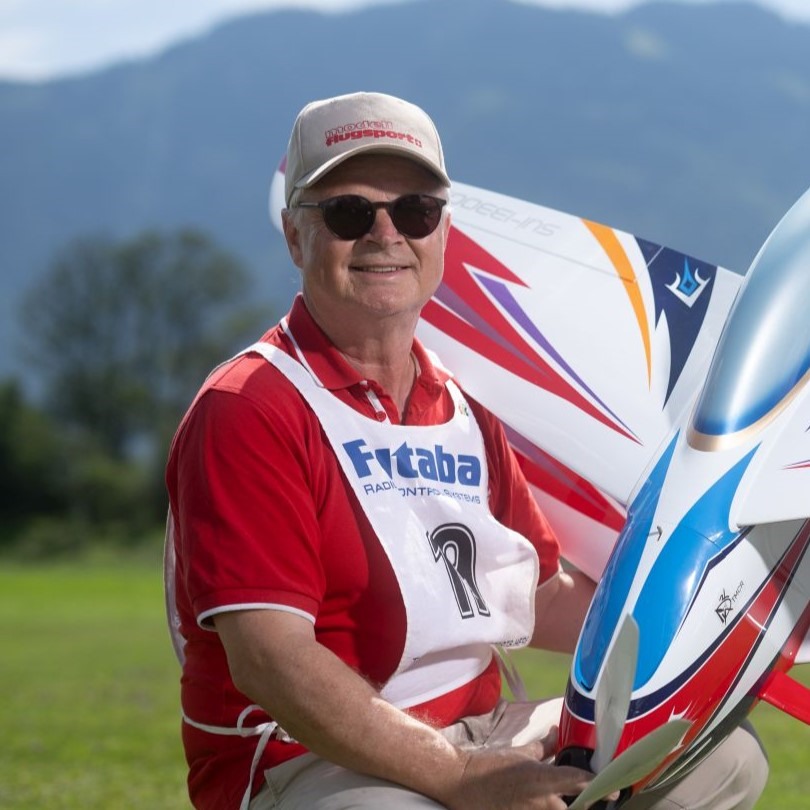 Matthias Bosshard
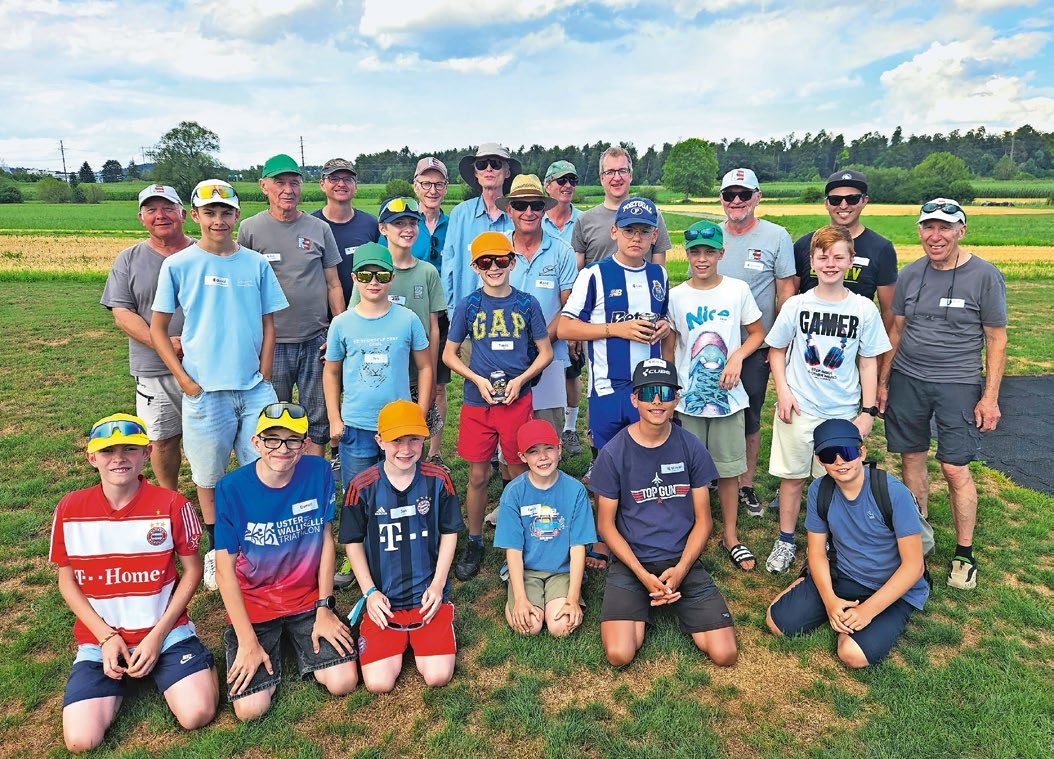
SUMMER FUN 2026 AT MG USTER
Martin Wunderli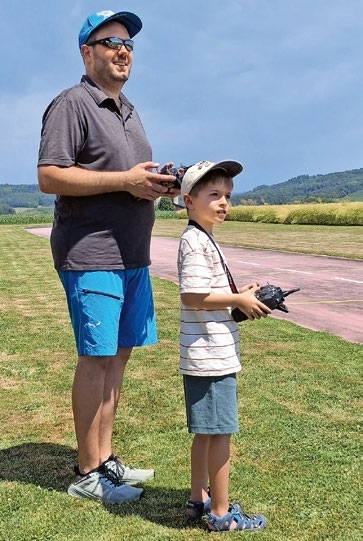
TRY-OUT DAY AT MFV WETTINGEN
Urs Keller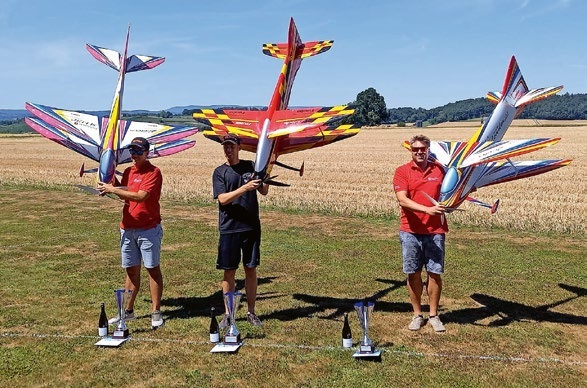
52. 2026 ALPS CUP
Emil Giezendanner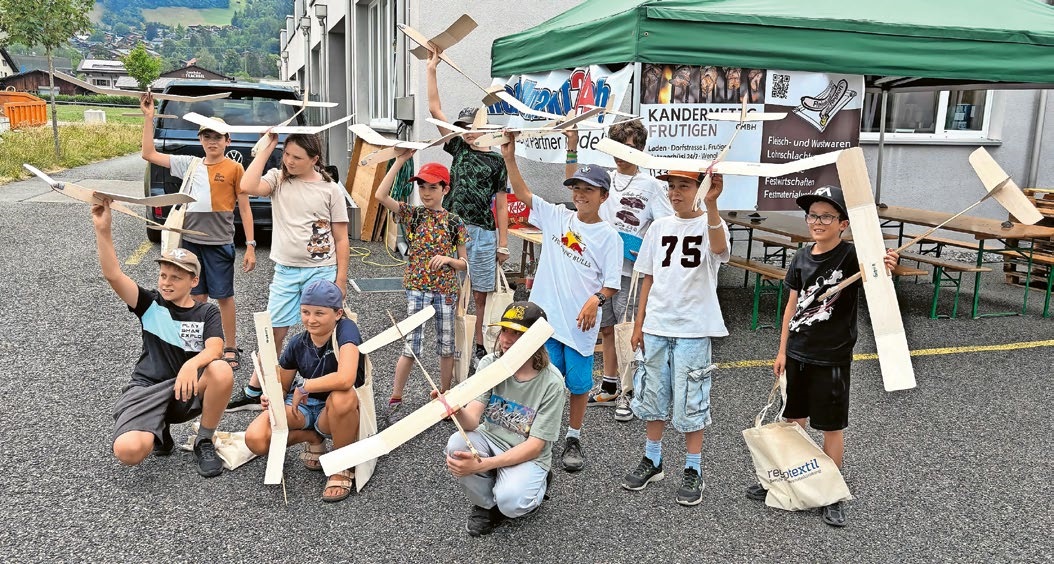
BY YOUTH, FOR YOUTH
Lorena Betschen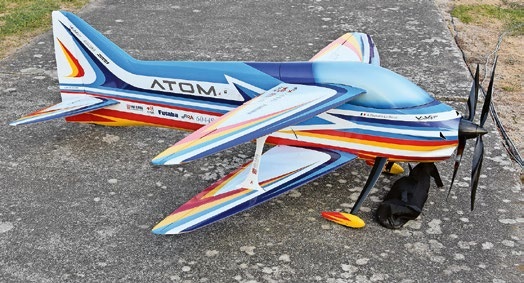
ATOM, THE NEW DOUBLE-DECKER FROM CPLR
Matthias Bosshard
CORSAIR F4U – A WARBIRD WITH A MEMORABLE LOOK
Jürgen Rosenberger, Jürgen Prinz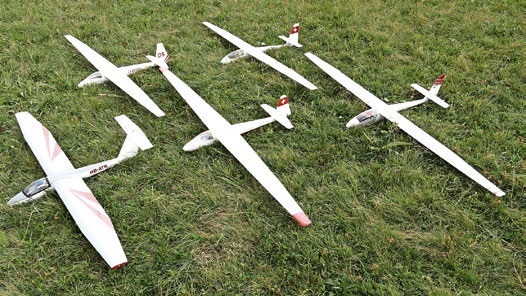
SMALL, MODEL-LIKE SAILBOATS
Res Dauwalder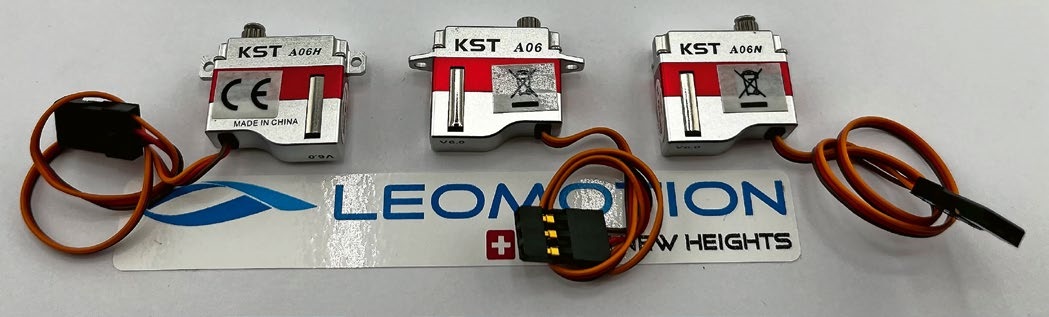
What's New at Leomotion.com
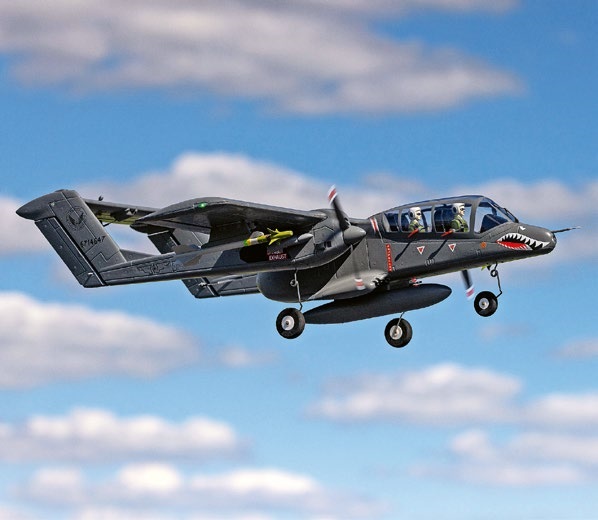
HORIZON HOBBY/LEMACO NEWS: MICRO OV-10 BRONCO 645 MM BY E-FLITE
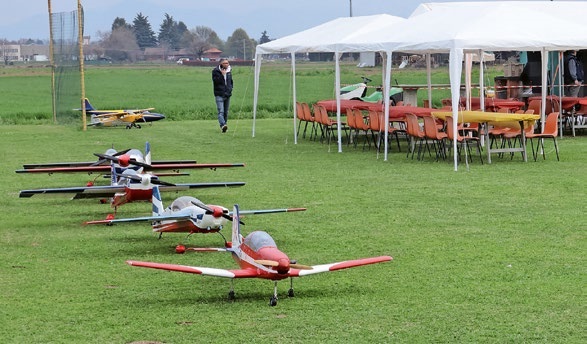
TWIN TOWN PARTNERSHIP
Wolfgang Voeller
PRIDE AND GOOD IDEAS
 Markus Nussbaumer
EURO CONTEST GLIDER ACRO TOUR AUSTRIA 2026
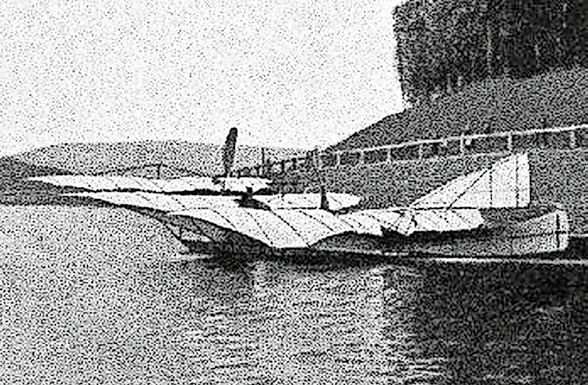
INSIGHTS INTO THE HISTORY OF SEAPLANES
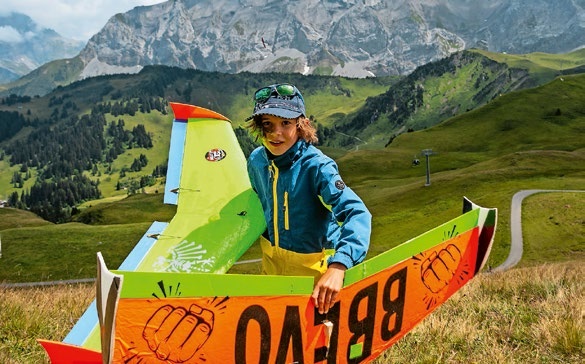
34th HAHNENMOOS ALPINE MODEL AIRPLANE CAMP
Res Dauwalder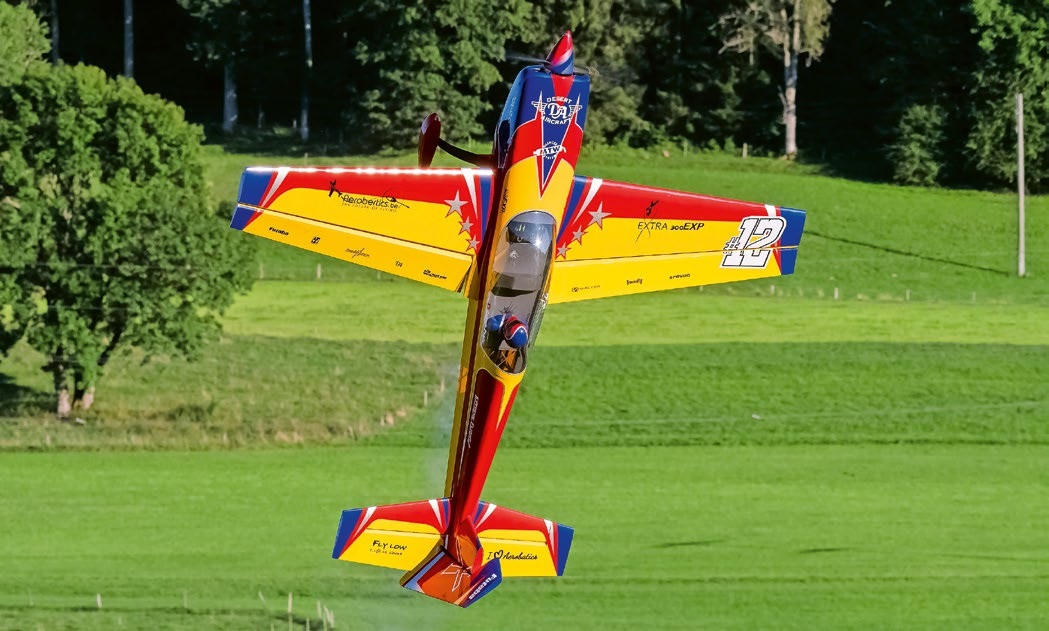
WELCOME, NEW MEMBER!
Andrea Bolliger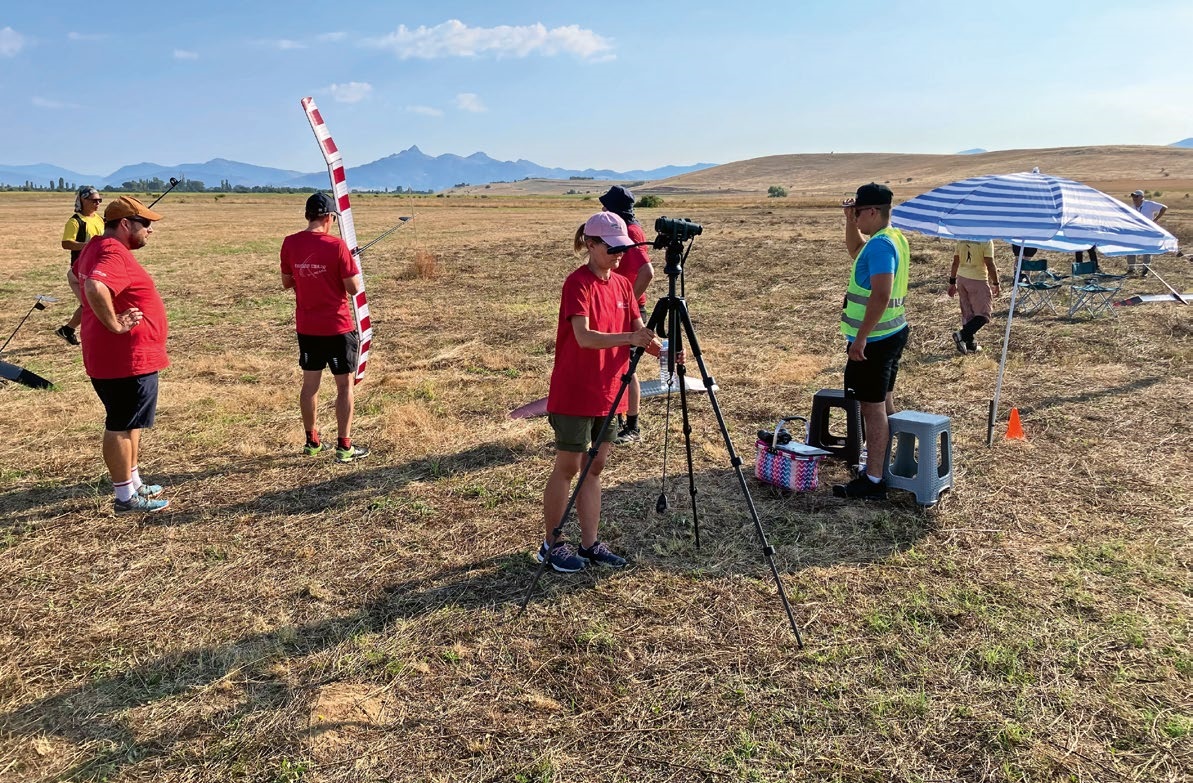
FREE FLIGHT IN THE MIDDLE OF SUMMER
Urs Muntwyler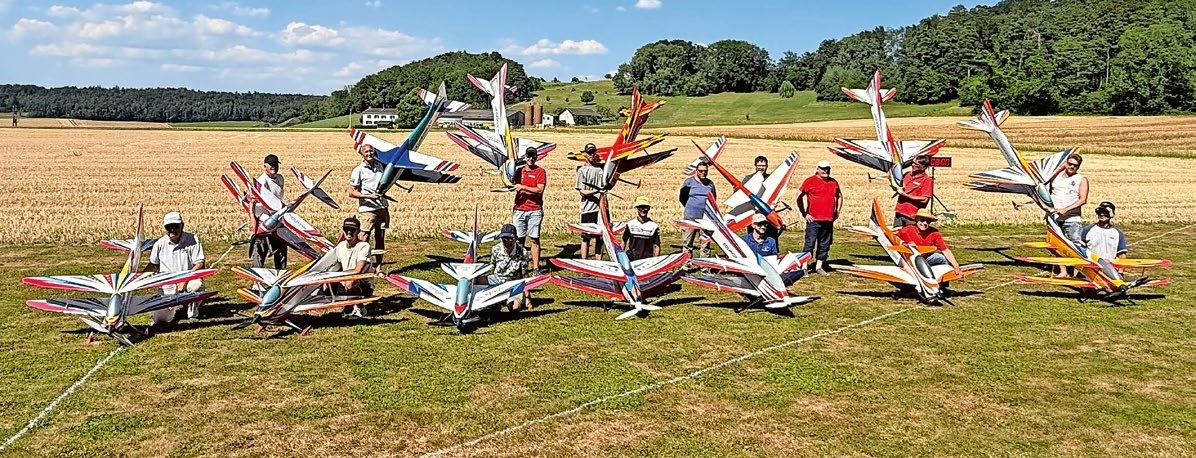
COUPE DES ALPES – OBSERVE AND LEARN
Rodito Nussbaumer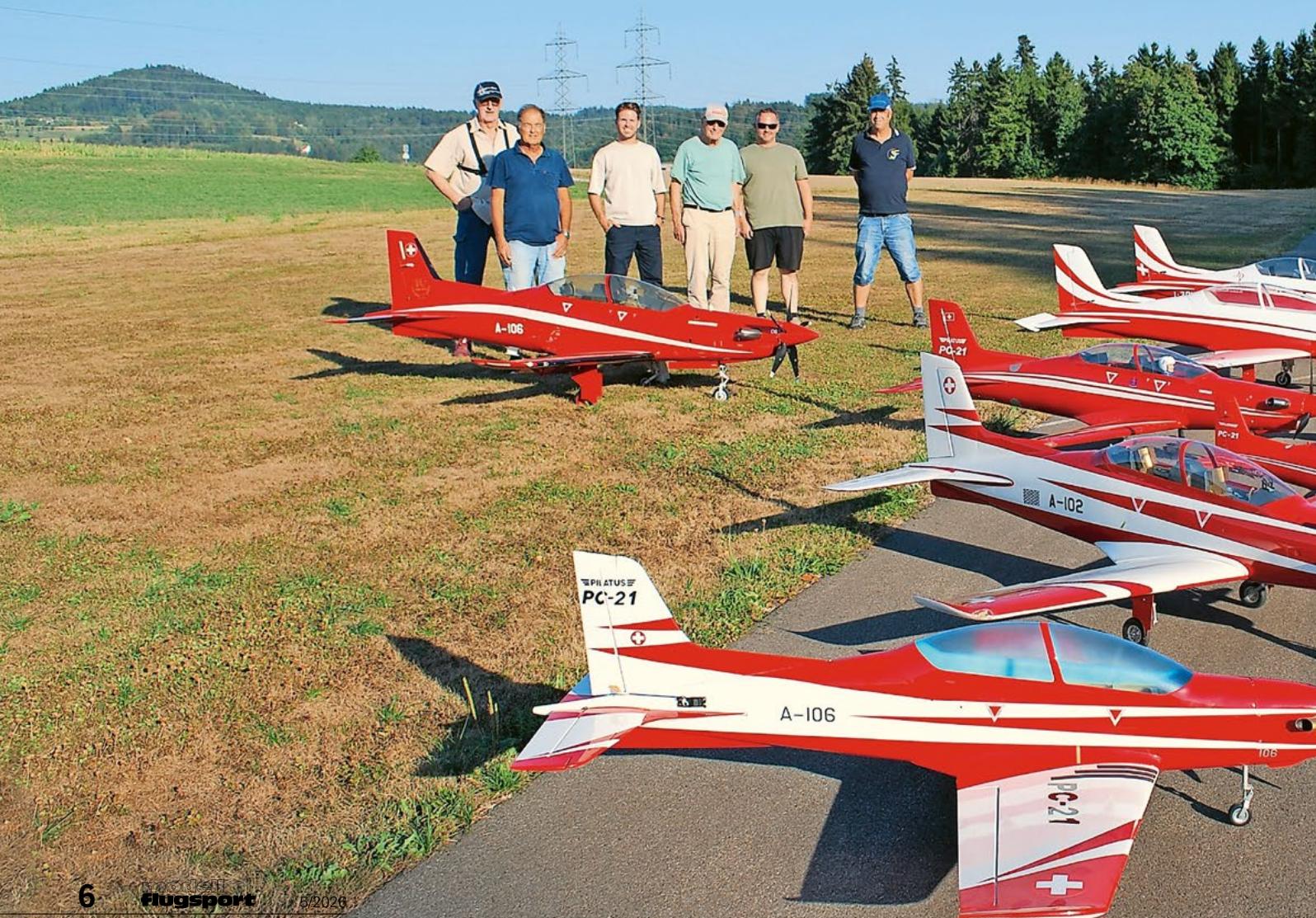
THE PC-21 STORY
Emil Giezendanner
NEWS FROM HEBU
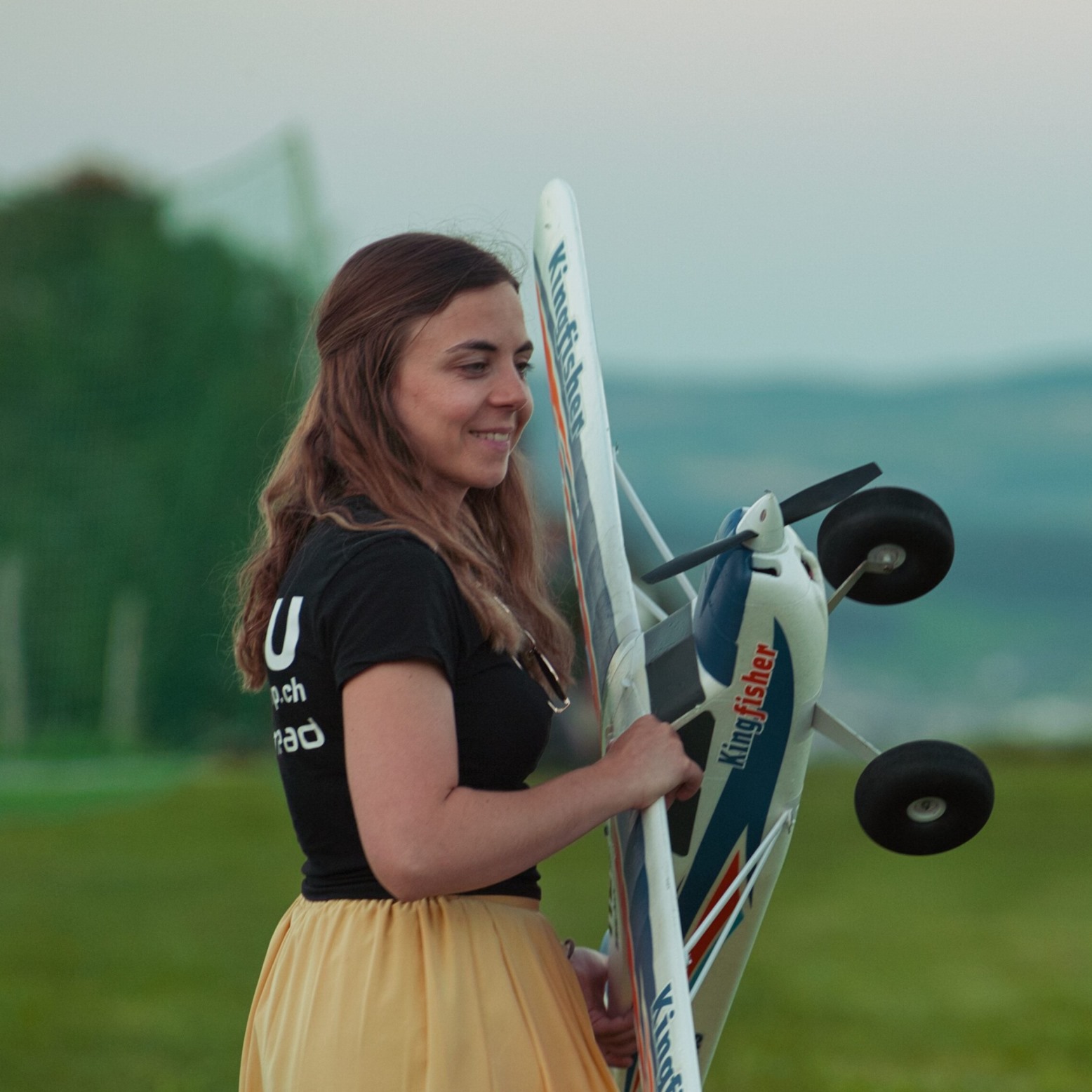 Julia Bucher
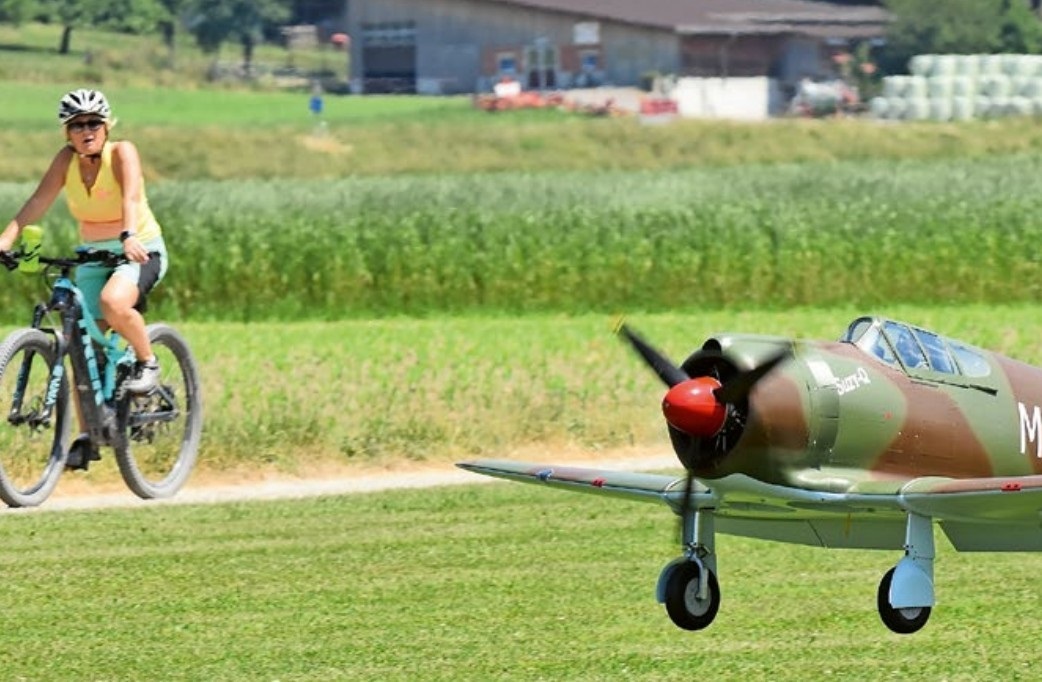
FROM 0 TO 100
Markus Nussbaumer
MEMORIES
Wolfgang Völler
NOS REGION – A HUB FOR ELECTRIC AVIATION
Emil Giezendanner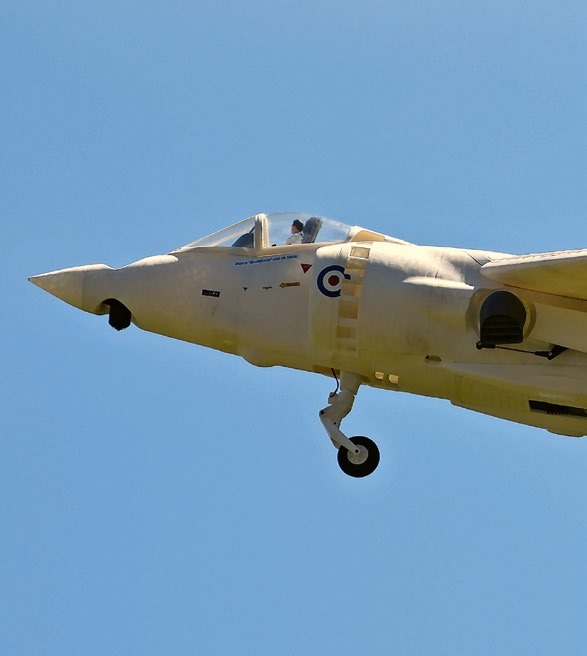
Have you almost forgotten about aircraft that take off and land vertically?
Emil Giezendanner
DO YOU KNOW WHAT I MEAN IN THE LAND OF SMILES?
Emil Giezendanner