
Expert Tips on LiPo Batteries
“Model airplane sets field on fire” ... News stories like this and others like it keep making their way into the press. Just how dangerous are lithium-ion batteries, really? Dieter Offenthaler, CEO of Batrec Industrie AG, explains in an interview what precautions to take when handling these batteries.
Mr. Offenthaler, how safe are lithium-ion batteries, which also include lithium-polymer batteries?
Dieter Offenthaler: When handled properly, lithium-ion batteries are safe. I recommend always buying batteries from reputable manufacturers. Rigorous and uncompromising quality control of the batteries and the production process is an absolute must. With brand-name manufacturers, you can assume they adhere to the highest standards to protect their reputation.
Why can lithium-ion batteries catch fire in the first place?
In lithium-ion batteries, the electrolyte—unlike in other batteries that use a water-based electrolyte—is flammable. The separator—a partially permeable plastic film—separates the cathode (aluminum) and the anode (copper) of a cell; only lithium ions can pass through it. If this separator is damaged—for example, by intense heat, puncturing, or crushing the battery—a short circuit occurs; electrical current flows unimpeded between the terminals. This causes the battery to heat up, and the electrolyte catches fire. Eventually, the heat destroys the separator of the next cell, and in a chain reaction, one cell after another ignites.
What should you keep in mind when handling LiPo batteries?
What batteries really can’t stand is heat—for example, on a sunny day behind the windshield—and mechanical stress such as impacts. Under no circumstances should the batteries be disassembled. Only a charger approved for this specific LiPo battery should be used for charging, and the battery should be unplugged as soon as it is fully charged.
How should I store my battery if, for example, I won’t be using it for an extended period—such as over the winter?
Dieter Offenthaler is the managing director of Batrec Industrie AG in Wimmis. The company accepts batteries and rechargeable batteries collected in Switzerland. “Regular” device batteries are recycled on-site, while lithium-ion rechargeable batteries are prepared for recycling. At a sister plant in France, valuable raw materials such as cobalt, nickel, and copper are then recovered from the rechargeable batteries. www.batrec.ch

Store the battery in a dry, frost-free place. It’s best to keep it charged to about half capacity. This prevents deep discharge as the battery naturally discharges over time. Check the battery level from time to time and recharge it to a moderate level as needed. If you’re recharging a battery after prolonged use, this should be done under supervision.
Are fireproof containers suitable for storage?
Generally, yes. However, these containers must have ventilation—they must not be gas-tight under any circumstances—to prevent a dangerous buildup of pressure inside the container in the event of a fire. The gas

It is also disconnected from the ignition source—the battery—which further reduces the risk of fire. Fire-resistant safety pouches that meet these requirements are available for LiPo batteries. These are highly recommended.
In the worst-case scenario—what should you do if the battery starts smoking or catches fire?
If possible, place the battery in a large container filled with water—ideally not made of plastic. It must be completely submerged. Leave the battery there outdoors for a few days. To have such a battery removed, contact INOBAT’s emergency number: www.inobat.ch/notfall. If you can no longer touch the battery, extinguish it with water, a fire extinguisher, or a fire blanket. Once the flames have been extinguished, place the battery in a container of water as well and proceed as described above. So it’s not a bad idea to have a container of water on hand during periods of heavy flight activity.
What signs indicate that caution is needed with lithium-ion batteries?
There are various signs that a battery is having problems and must therefore be handed over immediately to a staffed collection point.
- The battery is swollen. This indicates that a chemical reaction has occurred inside—usually due to moisture. With lithium-polymer batteries, swelling is quickly noticeable.
- The battery has visible external damage, such as dents, cracks, etc.
- It shows a significant drop in performance.
- The battery gets extremely hot during use or while charging.

- If you even smell gas coming from the battery or notice liquid leaking from it, you must act immediately.
If you notice any of these signs, the battery must no longer be used and certainly must not be recharged. Cover the terminals to prevent a short circuit, and place the battery in a plastic bag. Take the battery to a staffed collection point as soon as possible for proper disposal.
A new fact sheet from INOBAT provides model aircraft and drone pilots with information on the safe disposal of LiPo batteries. The fact sheet can be downloaded from the website: www.inobat.ch, under the "Infomaterial" menu.



News from HEBU

EURO CONTEST GLIDER ACRO TOUR AUSTRIA 2026

TEAM MANAGER "THIS" BOSSHARD
 Rodito Nussbaumer

YOU KNOW WHAT I MEAN? 125 YEARS OF THE SWISS AERO CLUB
 Emil Giezendanner

F3A EUROPEAN CHAMPIONSHIPS IN ST-MACAIRE, FRANCE
 Matthias Bosshard
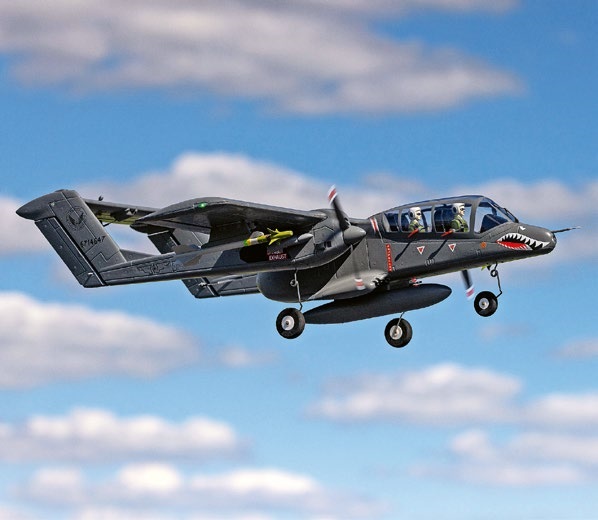
HORIZON HOBBY/LEMACO NEWS: MICRO OV-10 BRONCO 645 MM BY E-FLITE

PRIDE AND GOOD IDEAS
 Markus Nussbaumer

34th HAHNENMOOS ALPINE MODEL AIRPLANE CAMP
Res Dauwalder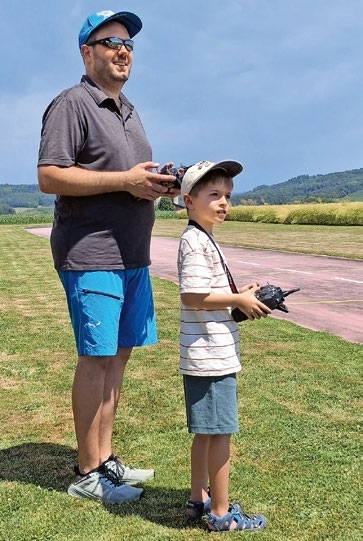
TRY-OUT DAY AT MFV WETTINGEN
Urs Keller
52. 2026 ALPS CUP
Emil Giezendanner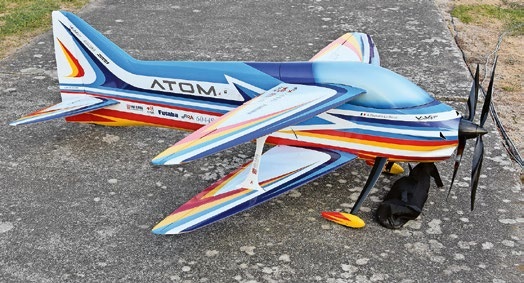
ATOM, THE NEW DOUBLE-DECKER FROM CPLR
Matthias Bosshard
CORSAIR F4U – A WARBIRD WITH A MEMORABLE LOOK
Jürgen Rosenberger, Jürgen Prinz
SUMMER FUN 2026 AT MG USTER
Martin Wunderli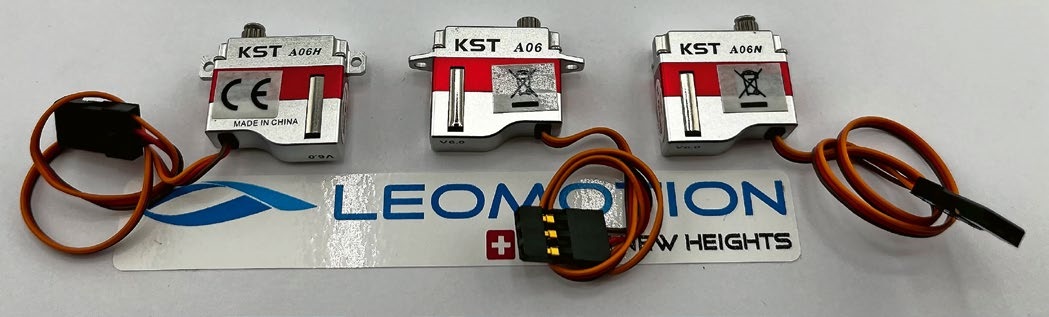
What's New at Leomotion.com

THE PC-21 STORY
Emil Giezendanner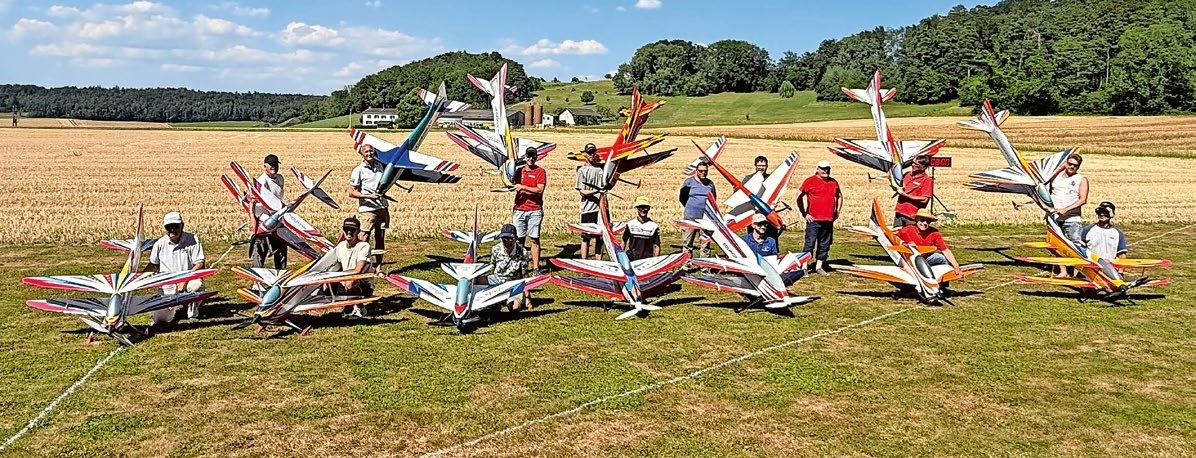
COUPE DES ALPES – OBSERVE AND LEARN
Rodito Nussbaumer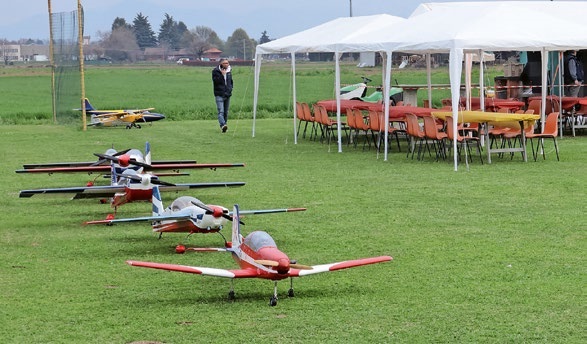
TWIN TOWN PARTNERSHIP
Wolfgang Voeller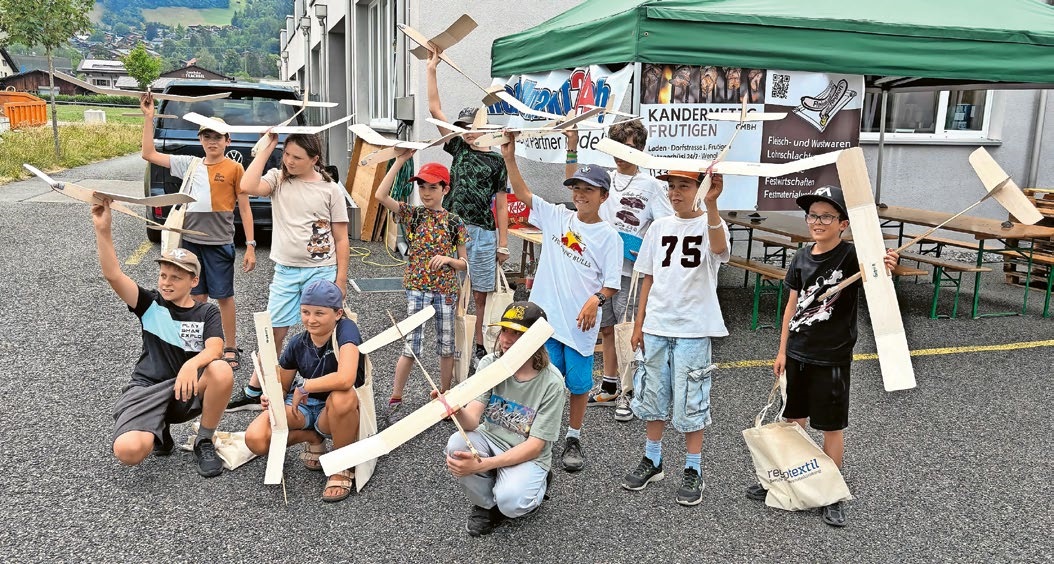
BY YOUTH, FOR YOUTH
Lorena Betschen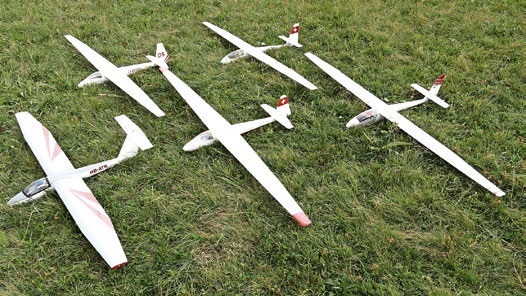
SMALL, MODEL-LIKE SAILBOATS
Res Dauwalder
WELCOME, NEW MEMBER!
Andrea Bolliger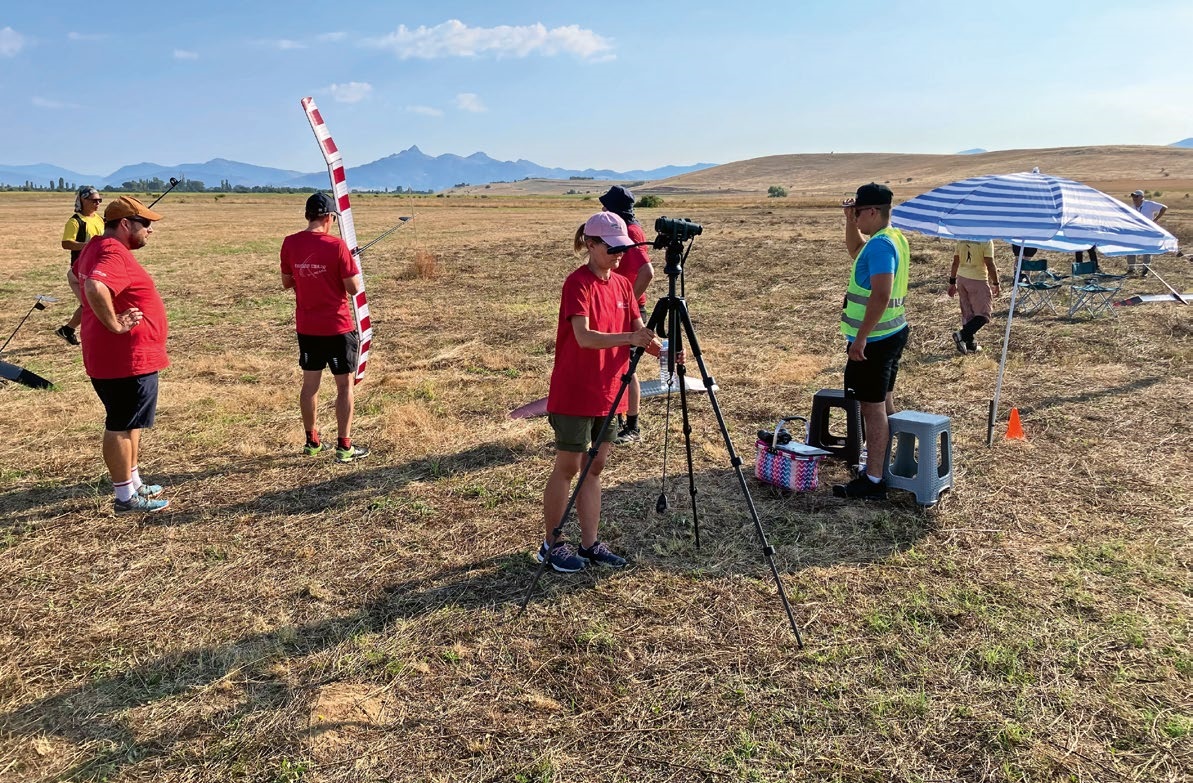
FREE FLIGHT IN THE MIDDLE OF SUMMER
Urs Muntwyler
INSIGHTS INTO THE HISTORY OF SEAPLANES

NEWS FROM HEBU
 Julia Bucher

FROM 0 TO 100
Markus Nussbaumer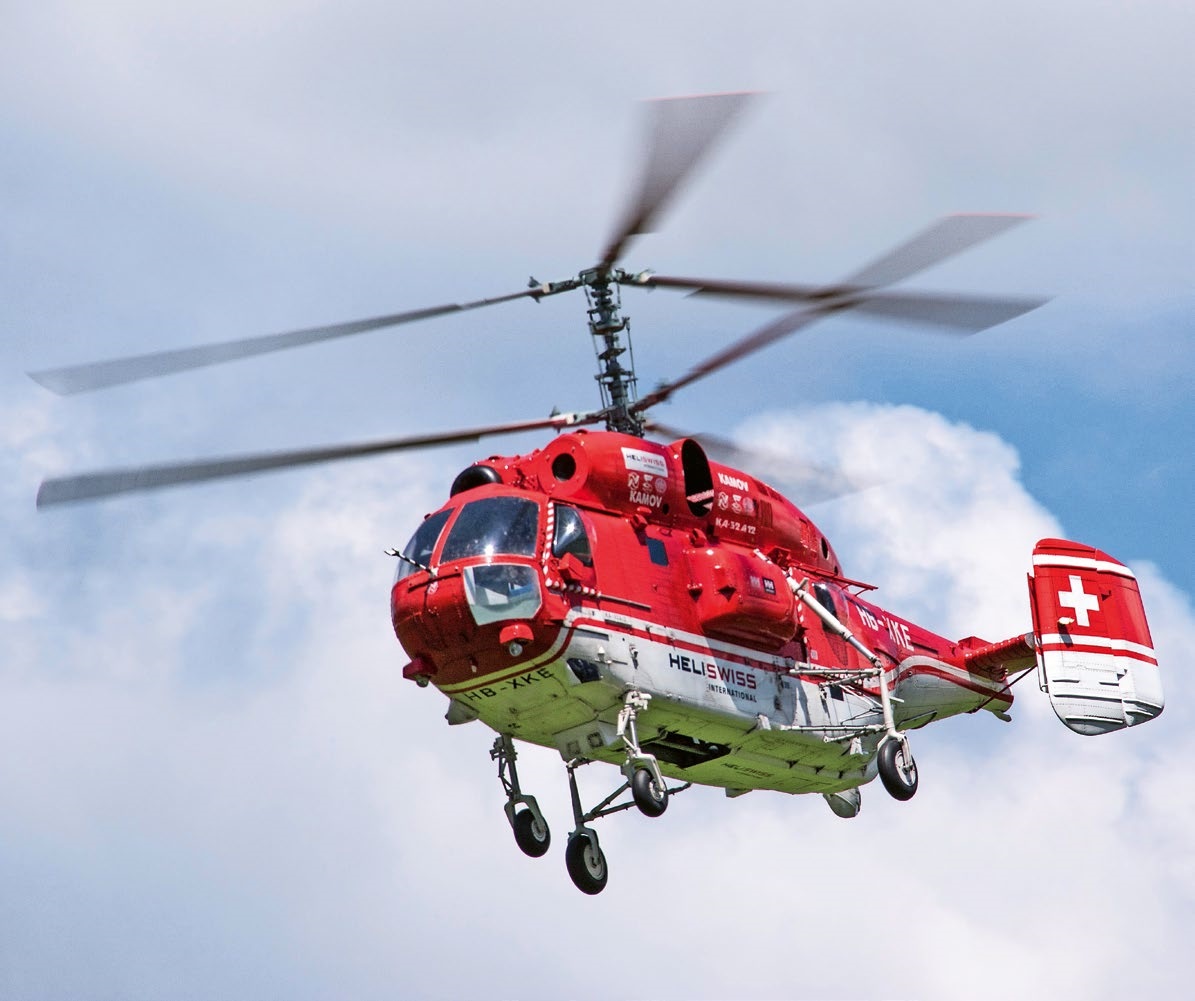
MEMORIES
Wolfgang Völler
NOS REGION – A HUB FOR ELECTRIC AVIATION
Emil Giezendanner
DO YOU KNOW WHAT I MEAN IN THE LAND OF SMILES?
Emil Giezendanner
A SPECTACULAR F3A WORLD CUP IN THE PRINCIPALITY OF LIECHTENSTEIN
Emil Giezendanner