
Up, Up, and Away, or the Automatic Launch System
In response to a request that has been expressed on several occasions, the following describes the design of a high-launch winch for RC gliders, which has proven itself very well in practice. The plan to build a high-launch winch was met with a chorus of naysayers at the time. There were tales of broken wings and a dreadful snagging of the line; warnings were issued about problems with winding and unwinding, as well as about the rope snapping. However, there was no relevant practical experience to draw upon. At the very least, this prompted one to give such potential problems the necessary attention right from the start. The planned high-launch system was to meet the following requirements:
- Suitability for standard-sized RC models
- One-person operation
- Easily transportable, compact device
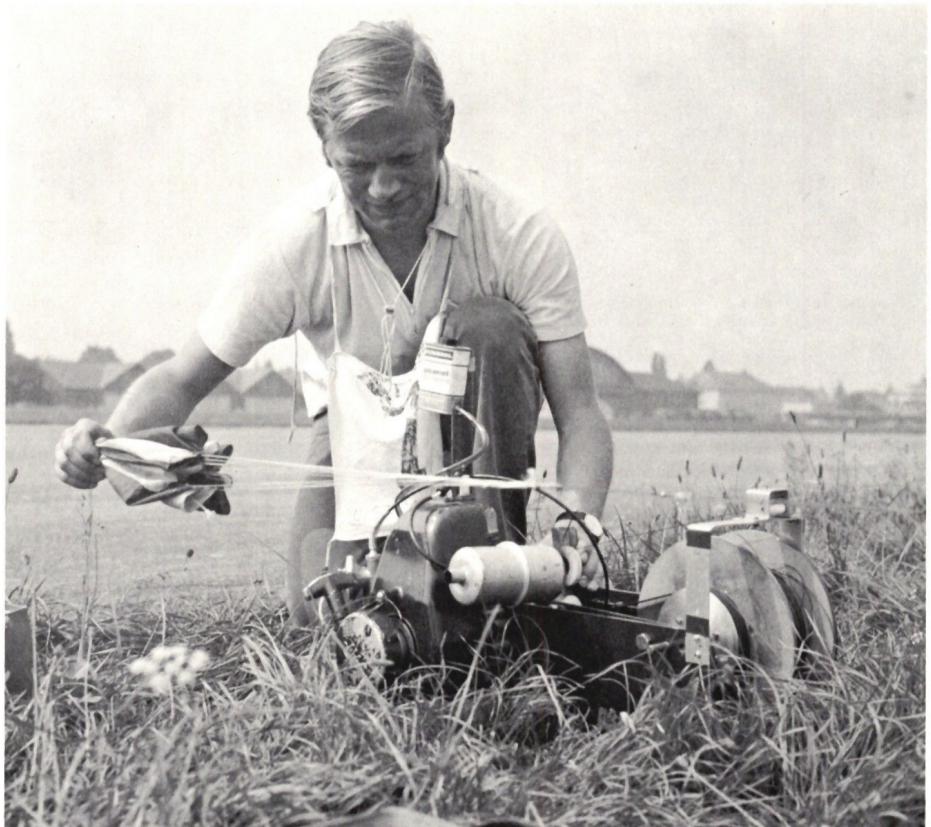
Regarding point 1, the first step was to determine the required pulling force and winding speed based on the model’s size. Rubber-cord launches had shown that a pulling force of about 5 kp is required for models with a wingspan of 2.5 to 3 m. (Or, more precisely, that these models can withstand such a force without the wings breaking.) Given a specific pull force, the maximum possible rewind speed depends on the power of the drive motor and should be several times the actual rewind speed. It often happens that during the initial launch phase, the rope gets caught on blades of grass, and then
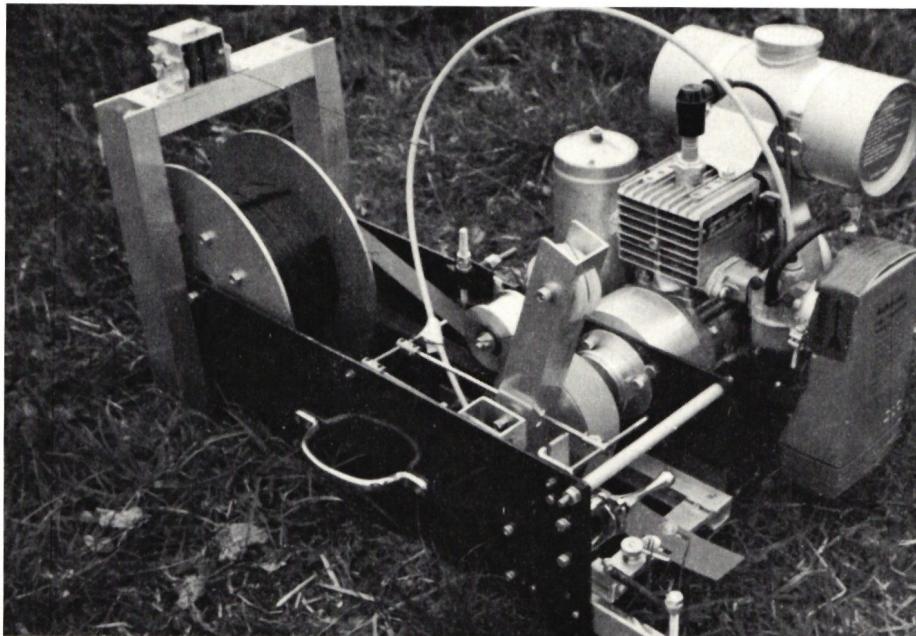
Due to the maneuverability required under point 3, a combustion engine was chosen as the power source. A JAP 2-stroke engine that happened to be available—with a displacement of 38 cm³ and an output of just over 1 PS at 4500 rpm—was used.
The design of the high-launch system was now divided into the following structural elements:
- Rope
- Cable drum
- Cable drum drive
- Cable drum brake
- Motor control
is suddenly pulled free by the ascending model. Now, the rope tension would drop abruptly unless this is counteracted by a sufficient reserve of winding speed. In that case, the tension remains nearly constant, which makes the launch process exceptionally straightforward.
If, for example, a drive power of 1 PS = 75 mkp/s is available, then, assuming a required tensile force of 5 kp, this results in a possible winding speed of
75 mkp/s : 5 kp = 15 m/s = 54 km/h.
The single-operator operation required in point 2 presupposes, first, that the pulling force remains reliably limited to the desired value regardless of wind speed, and second, that the winch can be remotely started in some way. The model is preferably released at the winch location; therefore, the rope must be routed from the winch to a ground-anchored pulley and back to the winch. This ensures that the winch remains under constant control and allows the start-up process to be interrupted if necessary...
Finally, the rope drum must be effectively braked when the rope is slack to prevent loose loops and the resulting tangles.
A 0.9 mm Perlon monofilament rope was used. Its tensile strength is tested less during the actual launch itself and more during retrieval after the launch. Compared to braided rope, it is characterized by greater elasticity, which—combined with the high initial acceleration—allows the model to be launched from a standstill, similar to a rubber-band launch, but requires a braking mechanism for the rope drum.
The rope drum was sized so that 700 m of the Perlon rope described could be wound onto it in a layer that was not too thick. This was achieved with a core diameter of 10 cm and a width of the same size, eliminating the need for controlled thread guidance. The drum’s rotational speed was calculated based on its dimensions and the maximum possible winding speed:
16.5 m/s : (2 × 0.05 m) = 3,150 rpm
To adapt to the motor speed of 4,500 rpm, a reduction ratio of 1.5 : 1 was therefore required.
A flat belt drive, acting as a slip clutch, was selected to drive the rope drum; this limits the tensile force to the desired maximum value in the simplest manner possible, depending on the set belt tension. Power is transmitted to the belt drive via a centrifugal clutch mounted directly on the crankshaft; this clutch disengages at speeds below approximately 1,500 rpm, thereby allowing the rope to be unwound while the engine is at a standstill.
The rope drum brake was designed as a band brake. A brake band runs around the rotating housing of the centrifugal clutch and, when engaged, maintains its tension through the pull of a spring-loaded lever, which in turn is equipped at its movable end with a pulley for the rope. The high-start rope now runs from the rope drum to the aforementioned pulley, around it, and in the opposite direction to a second pulley anchored a few hundred meters away, and back to the winch. If the rope is now tensioned, it exerts a force on the brake lever’s pulley, causing the lever to deflect against its return spring. This releases the tension on the brake band, and the drum is released. When the rope slackens again, the drum is braked once more.
This brake’s function is more important than one might initially assume. When the rope is wound up under load, it easily gets caught between the individual coils, which means that when pulling it out again after takeoff, it sometimes requires increased tension to free the rope. Due to its elasticity, the rope gets stretched quite a bit in the process, and if it is suddenly released, the energy stored in it causes the rope drum to spin rapidly; without a braking mechanism, a great deal of rope would be flung about, and loops would form around all protruding parts.
Another function of the brake lever is to regulate engine power. When the rope is slack—and the brake is therefore engaged—the carburetor is in the idle position; if the rope is tensioned and this causes the lever to deflect while releasing the brake, it simultaneously applies throttle via a Bowden cable, the motor accelerates, and the centrifugal clutch engages, causing the rope drum to rotate. This further increases the rope tension
and the brake lever is pulled to its stop, fully opening the throttle valve. With the cable held taut, several meters are now wound up until maximum tension is reached, after which the drum comes to a stop again; the belt drive functions—as you may recall—as a slip clutch. During this phase, the model can be checked once more at leisure before release, for example, to ensure that the receiver is actually turned on. Should the line suddenly snap—which does happen—the sudden loss of tension in the line causes the motor to idle and the drum to lock. This eliminates the risk of the motor over-revving, allowing the pilot to concentrate fully on the model. The launch procedure is completed by shutting off the engine by short-circuiting the ignition—for example, by pressing a wet index finger firmly against the spark plug connector. Once the motor is stopped, the rope drum is released and, in strong winds, can rotate back, ensuring a safe disengagement.
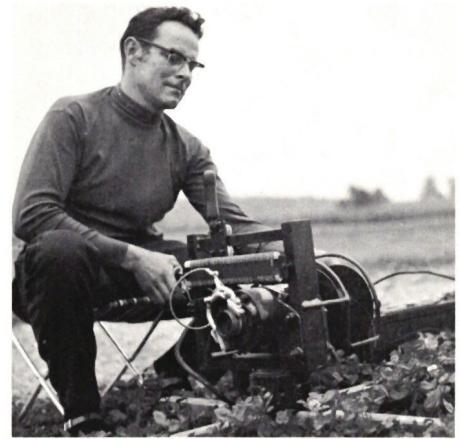
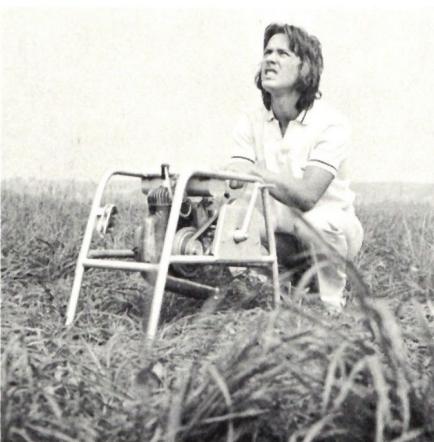
The winch described here has now been in use for three years, and over a thousand launches with models ranging from the Amigo to the Super-Alpha have demonstrated its effectiveness. The launch is less critical than with any other method, and significant release heights can be achieved regardless of the terrain. A PB-51 DV glides for 4 min. 50 s. with 300 m of rope in calm air. Its use in competitions has consistently yielded very good results, even though twice the amount of rope is wound onto the drum compared to a hand-wound system with a deflection control, which slightly reduces the release height. Operation is extremely economical: A high launch takes 15 seconds, which, when operated in a group, results in a fuel consumption of 0.2 liters of 2-stroke gasoline mixture per afternoon. Setting up the system takes about a quarter of an hour, as does packing it up. The only thing missing now is a rope retrieval mechanism, but at least a design for it already exists.
Overall, this high-launch system offers an alternative to motorized gliding by allowing for release altitudes of 200 m in independent, single-pilot operation, without having to put up with noise, models covered in grease, or the deterioration of flight characteristics caused by the motor attachment.
Henrich Steiner


News from HEBU
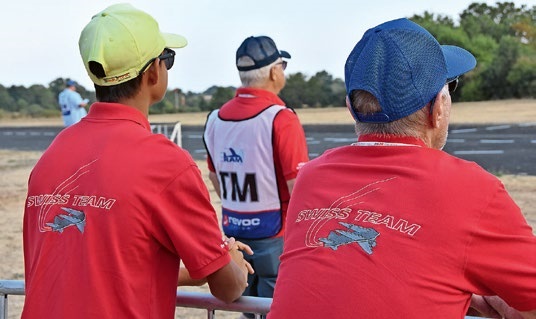
TEAM MANAGER "THIS" BOSSHARD
 Rodito Nussbaumer

YOU KNOW WHAT I MEAN? 125 YEARS OF THE SWISS AERO CLUB
 Emil Giezendanner
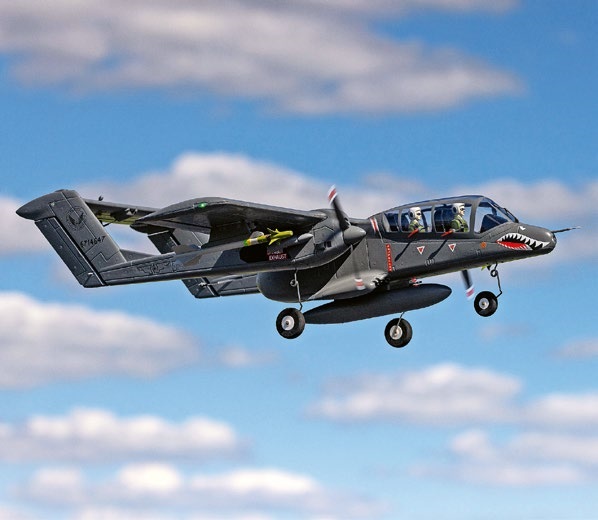
HORIZON HOBBY/LEMACO NEWS: MICRO OV-10 BRONCO 645 MM BY E-FLITE

PRIDE AND GOOD IDEAS
 Markus Nussbaumer
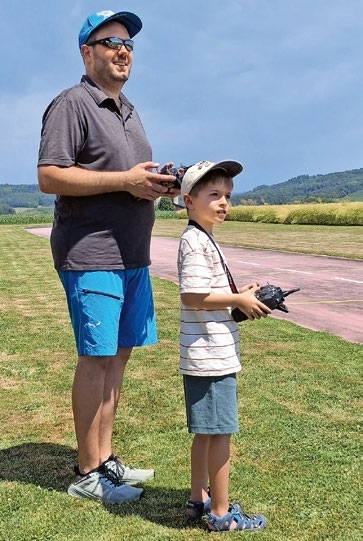
TRY-OUT DAY AT MFV WETTINGEN
Urs Keller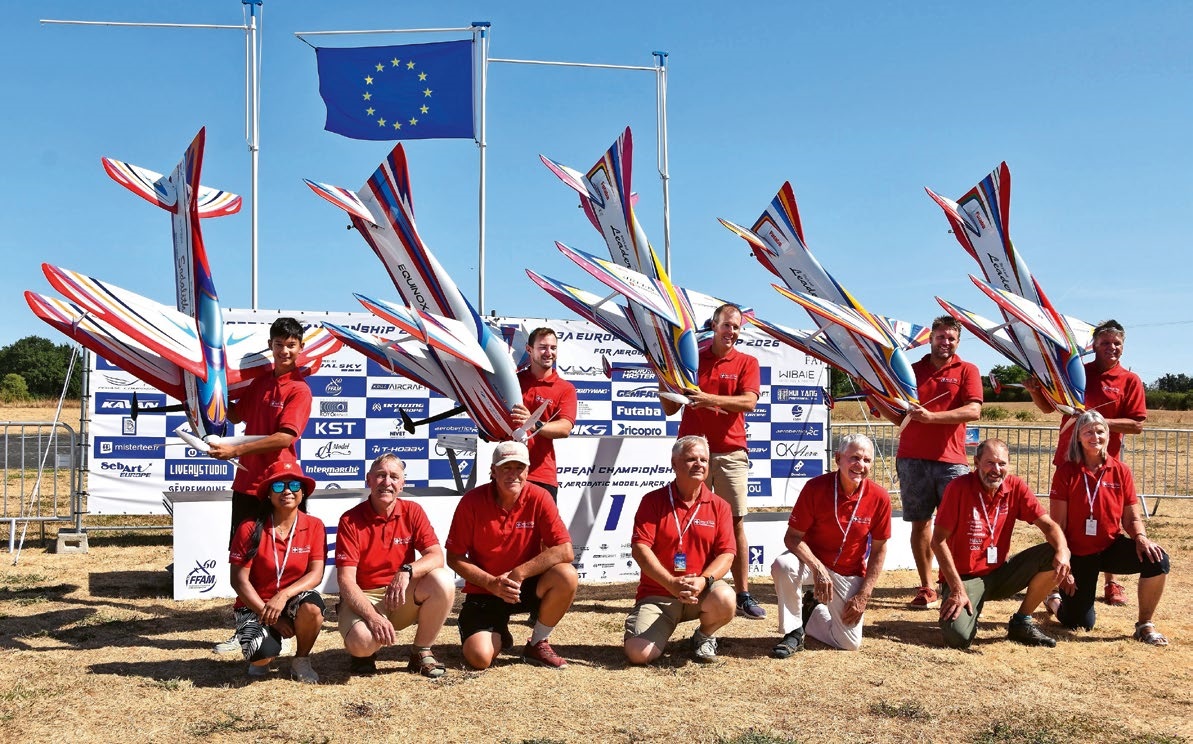
F3A EUROPEAN CHAMPIONSHIPS IN ST-MACAIRE, FRANCE
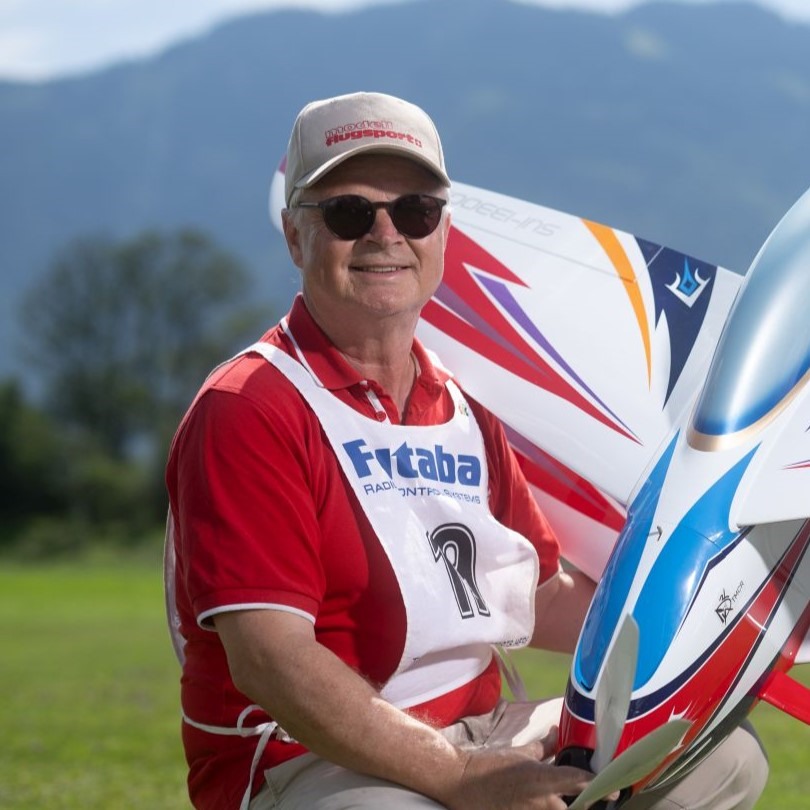 Matthias Bosshard
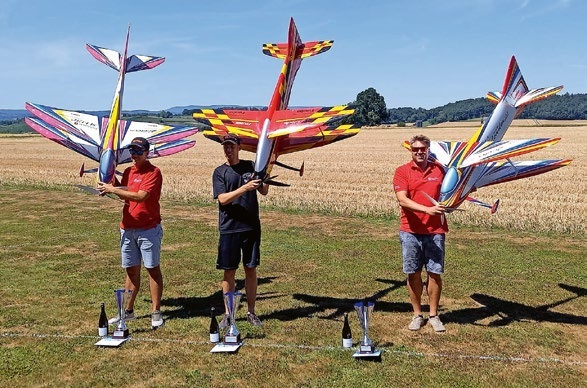
52. 2026 ALPS CUP
Emil Giezendanner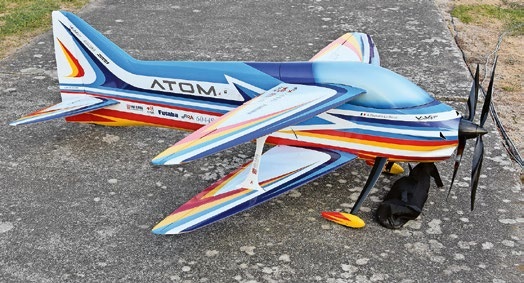
ATOM, THE NEW DOUBLE-DECKER FROM CPLR
Matthias Bosshard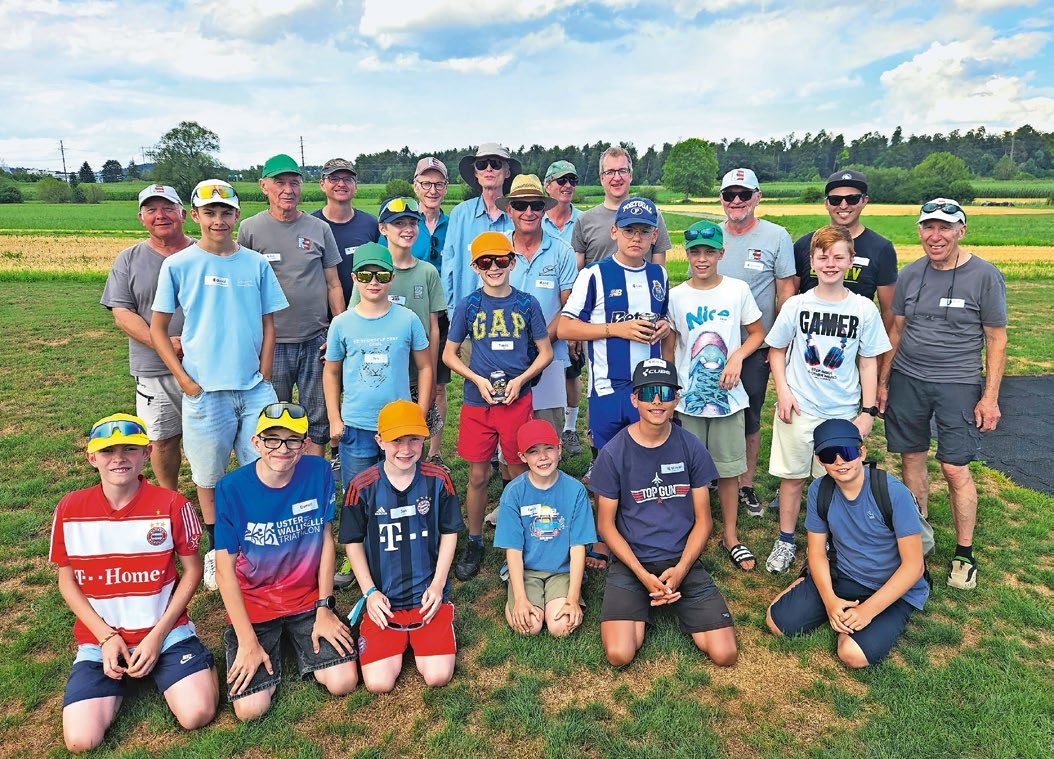
SUMMER FUN 2026 AT MG USTER
Martin Wunderli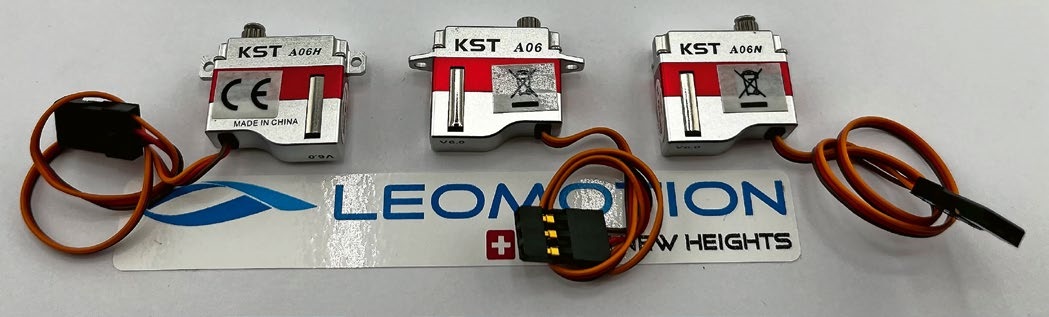
What's New at Leomotion.com
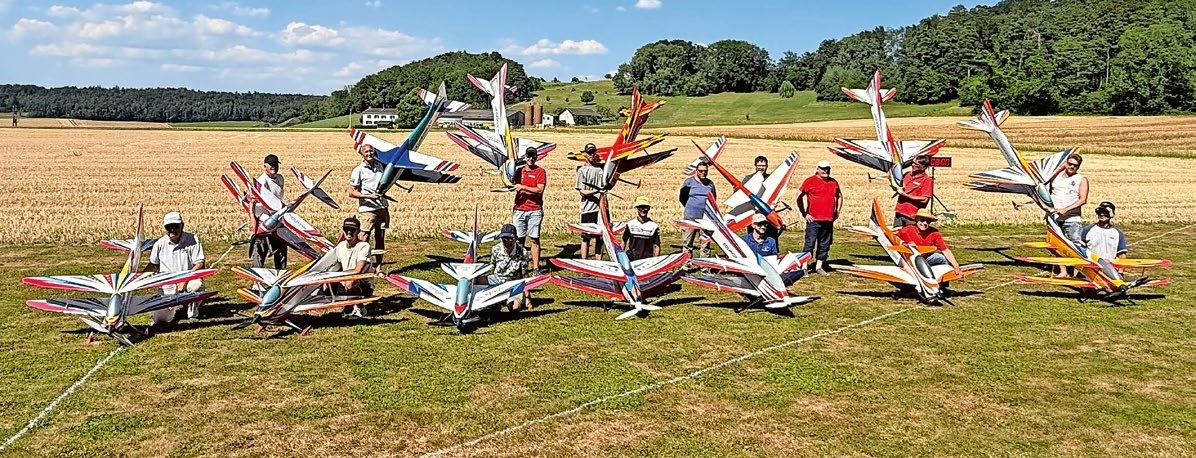
COUPE DES ALPES – OBSERVE AND LEARN
Rodito Nussbaumer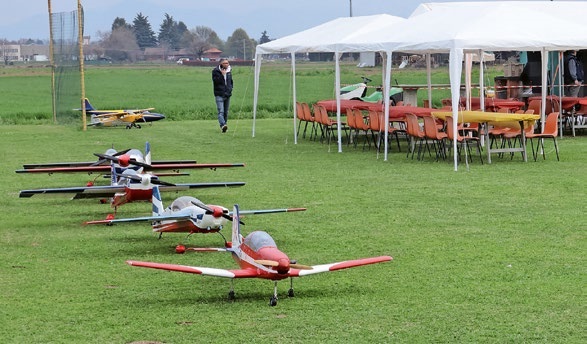
TWIN TOWN PARTNERSHIP
Wolfgang Voeller
34th HAHNENMOOS ALPINE MODEL AIRPLANE CAMP
Res Dauwalder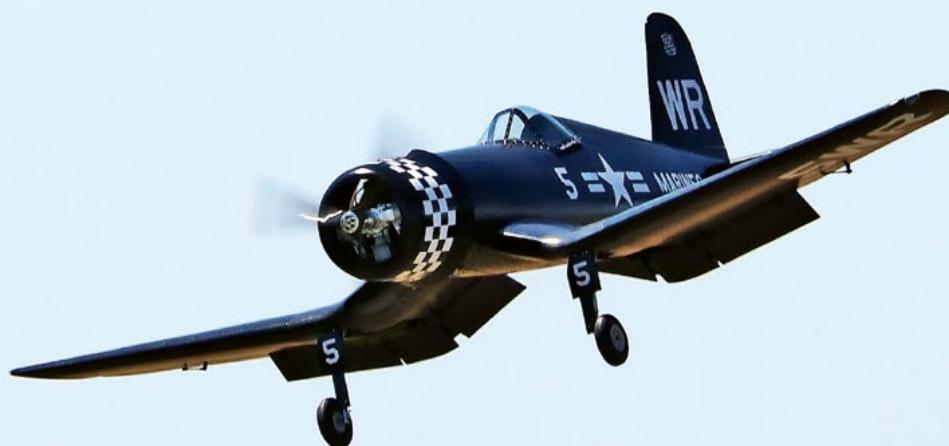
CORSAIR F4U – A WARBIRD WITH A MEMORABLE LOOK
Jürgen Rosenberger, Jürgen Prinz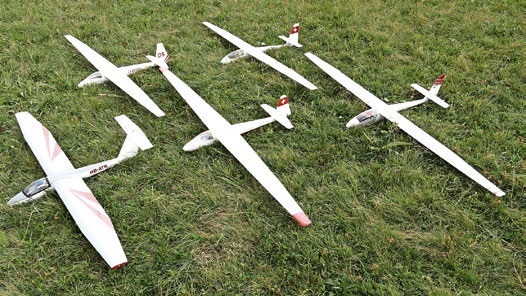
SMALL, MODEL-LIKE SAILBOATS
Res Dauwalder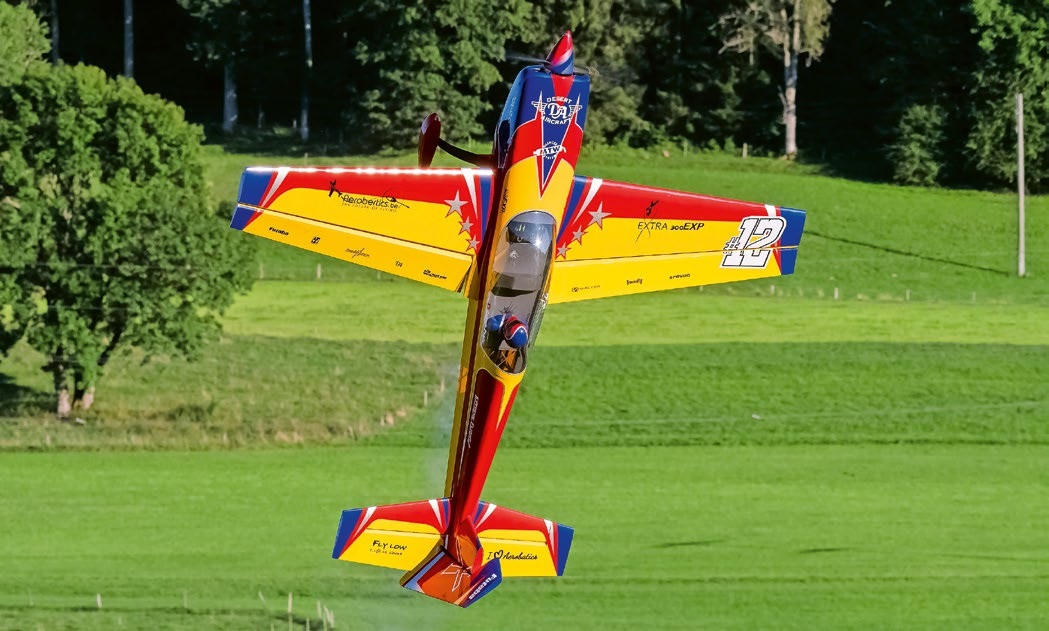
WELCOME, NEW MEMBER!
Andrea Bolliger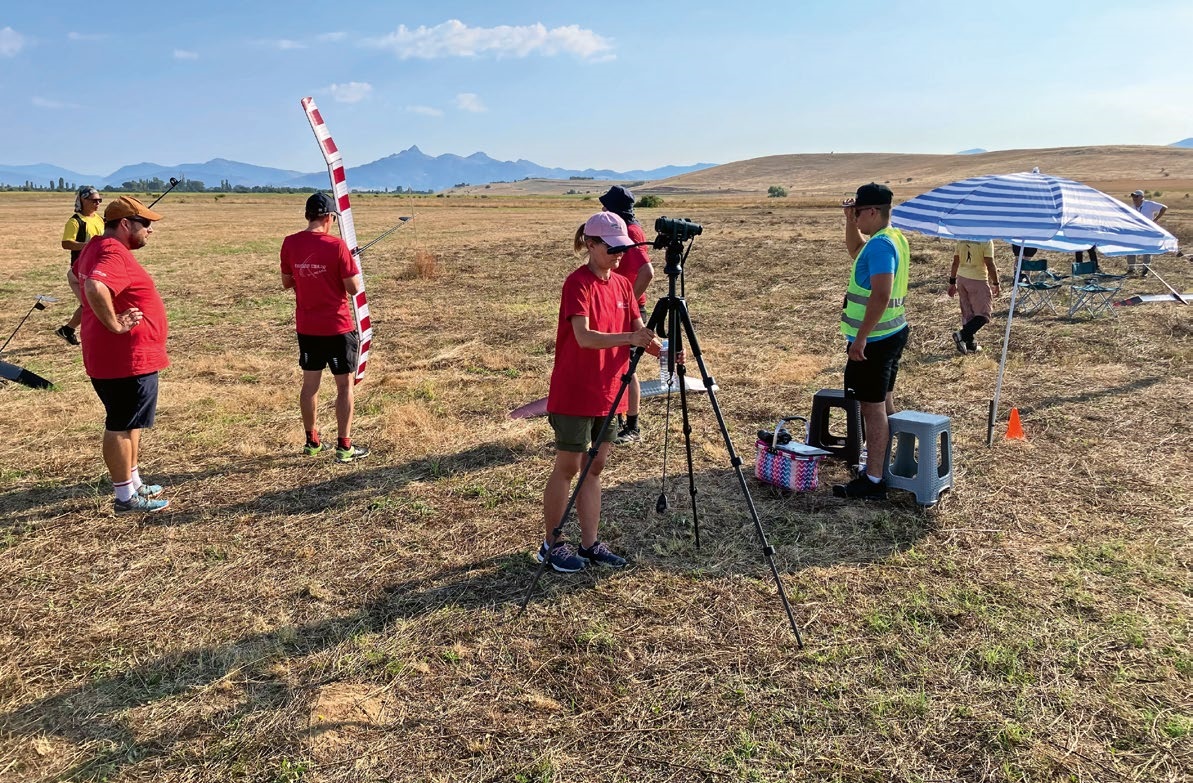
FREE FLIGHT IN THE MIDDLE OF SUMMER
Urs Muntwyler
EURO CONTEST GLIDER ACRO TOUR AUSTRIA 2026
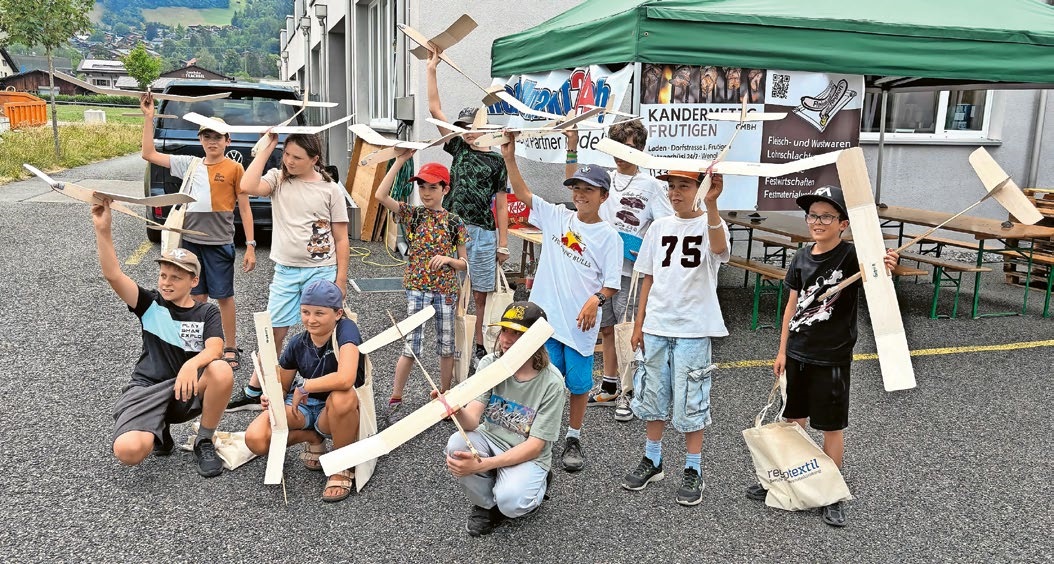
BY YOUTH, FOR YOUTH
Lorena Betschen
INSIGHTS INTO THE HISTORY OF SEAPLANES
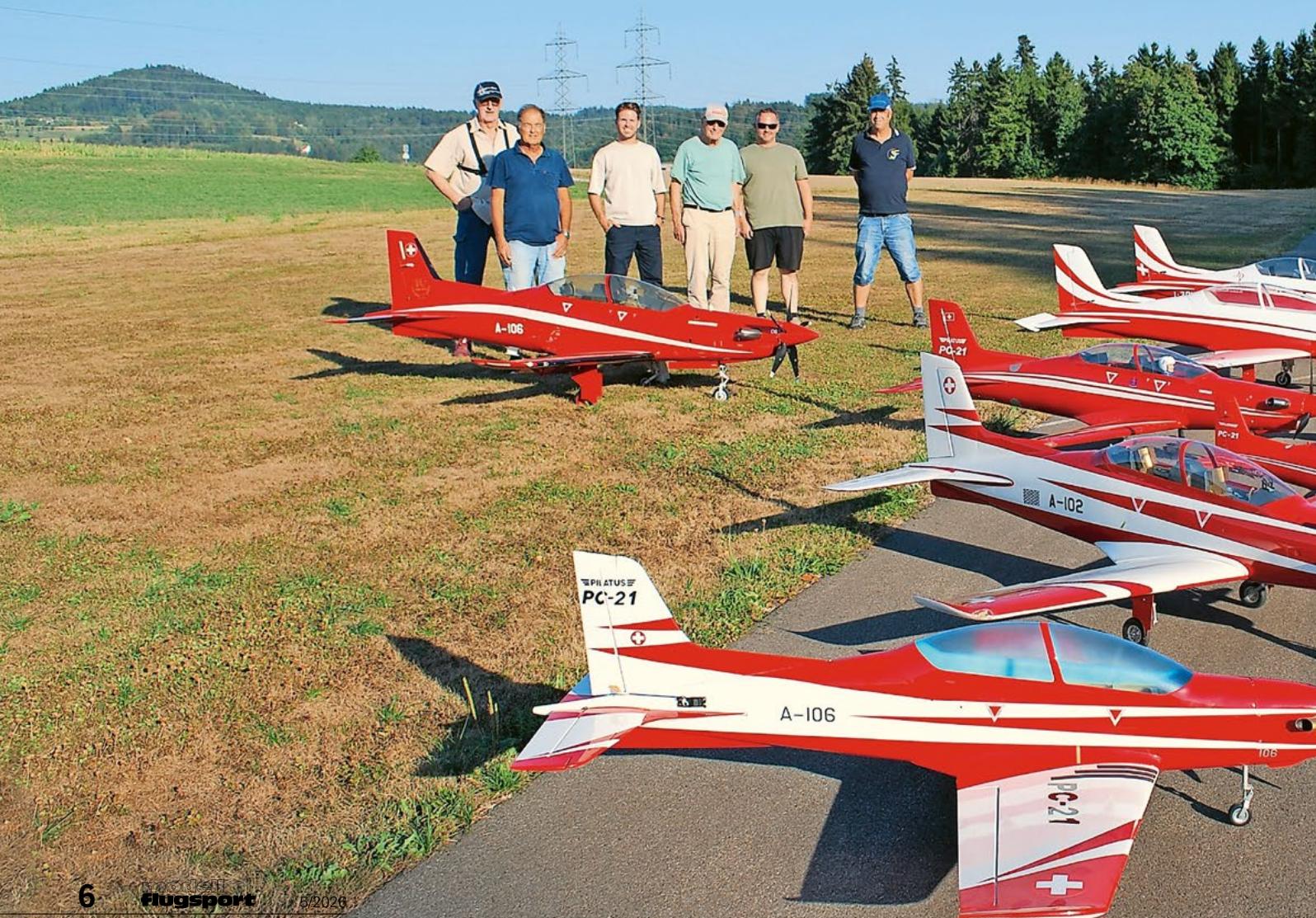
THE PC-21 STORY
Emil Giezendanner
NEWS FROM HEBU
 Julia Bucher
FROM 0 TO 100
Markus Nussbaumer
MEMORIES
Wolfgang Völler
NOS REGION – A HUB FOR ELECTRIC AVIATION
Emil Giezendanner
DO YOU KNOW WHAT I MEAN IN THE LAND OF SMILES?
Emil Giezendanner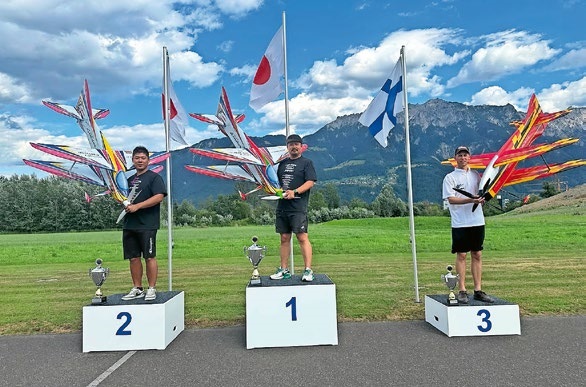
A SPECTACULAR F3A WORLD CUP IN THE PRINCIPALITY OF LIECHTENSTEIN
Emil Giezendanner