
Motor sailing is on the rise
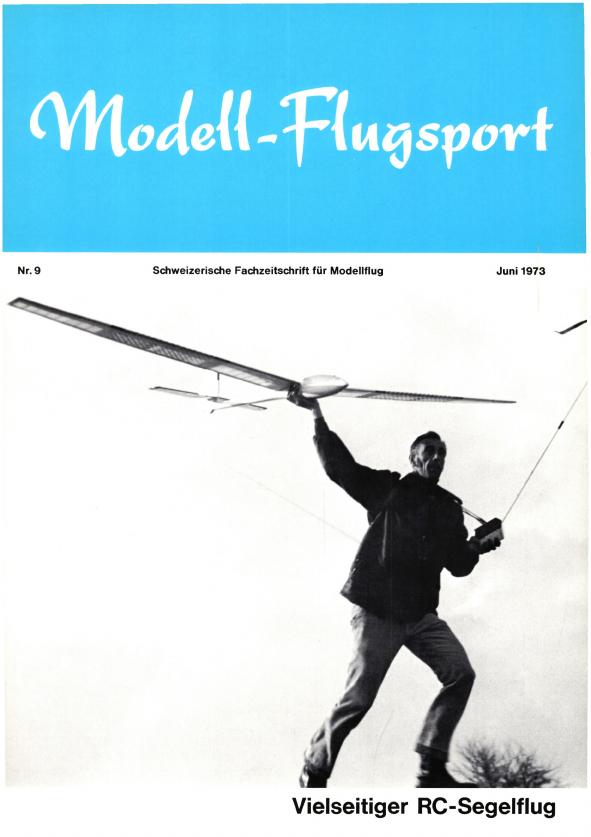
Some model airplane enthusiasts who have to drive 20 kilometers or more to find a location suitable for slope flying may have already considered whether they should equip their model with a motor. Even those who want to do high-altitude launches face their own challenges, since they need helpers and their trust.
Large meadows without trees or other obstacles are becoming a rarity here in the Mittelland, and they aren’t accessible during every season. It becomes particularly challenging when you want to lay out your 300-meter high-launch line in the right direction.
A motor glider is less demanding when it comes to flying sites. It’s usually possible to find a small patch of mowed meadow measuring about 30 x 80 meters where the surrounding area allows for flying.
On March 10, a meeting was held in Glattbrugg for model aircraft enthusiasts from various groups interested in the motor glider competition. The attached rules were drafted following a lively discussion. The flight program corresponds to the one used in the last two motor glider competitions in Diessenhofen. However, a few clarifications have been added to the rules. We now hope that with these well-thought-out and tried-and-tested rules, we have found the right approach, so that they can soon be forwarded to the MFK and, if possible, introduced nationally in their current form.
The visor, which is not yet familiar to most model aviators, will be described in an upcoming issue of “Modellflugsport.”
The participants in the afternoon discussion hope that the newly created regulations will attract new enthusiasts to this increasingly popular model category. Oskar Itel
1. Engine Displacement
The minimum engine size for models with a takeoff weight
of up to 2 kg is 1.5 ccm
; the maximum total displacement
is 2.5 ccm. For models with a takeoff weight
of up to 5 kg, the maximum total
displacement is 3.5 ccm. Only models equipped with a muffler are permitted.
2. Engine start-up time: 2 minutes without penalty; from the start of the 3rd minute until the end of the 4th minute, 1 point is deducted per second. If the time exceeds 4 minutes, that flight is scored as 0 points.
3. Engine running time: max. 1 ½ minutes (from the moment the model is released from the hand until the engine is shut off).
Each second the engine runs longer results in a deduction of 5 points.
4. After the engine is shut off, the flight is timed for 4 minutes. For every second the flight exceeds or falls short of the ideal flight time, 1 point is deducted from 240.
1. If the pilot wants to land, he should fly a circle over the landing area. 20 points
2. Fly the shortest route to the turn marker against the wind; the marker must be circled, min. 180°. 50 points
3. Fly over the landing square in a straight line with the wind, then turn and begin the approach for landing.
4. Flying under a sight line 2 m above the ground and 10 m in front of the first line of the landing rectangle, without exceeding the 2-meter altitude again, results in double the points for landing within the landing rectangle.
Dimensions of the landing square: 15 m wide, 30 m long. The model must touch down within the landing square; the entire model must remain within the lines of the landing square after coming to a stop; it must not lose any parts during landing or flight.
For landing within the square without flying below the sighting line or crossing it again, the pilot receives 50 points
For landing within the rectangle while flying below the sighting line: 100 points
If the model loses parts during landing or if any part of the model extends beyond the lines of the landing square: 0 points
Landing after 4 minutes and 30 seconds or crashing into the landing square: 0 points
If the model loses a component during flight, the flight is considered over from that moment on.
The motor must not be jettisoned.
Decisions rest primarily with the judges or timekeepers. In the event of any discrepancies, the jury’s decision is final. The jury consists of one representative from the organizer and one competitor from each of the two most active groups; its composition will be announced before the competition begins.
For every three participants from a group in a competition, one helper must be brought along who can serve as a timekeeper.
News from HEBU
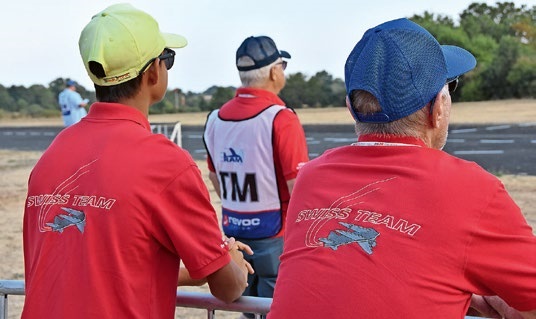
TEAM MANAGER "THIS" BOSSHARD
 Rodito Nussbaumer
YOU KNOW WHAT I MEAN? 125 YEARS OF THE SWISS AERO CLUB
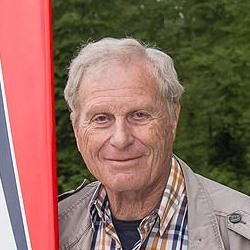 Emil Giezendanner
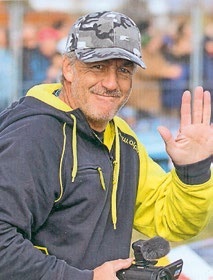
PRIDE AND GOOD IDEAS
 Markus Nussbaumer
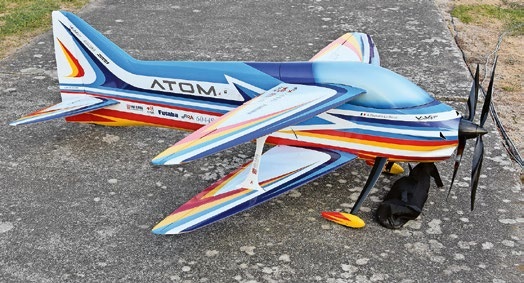
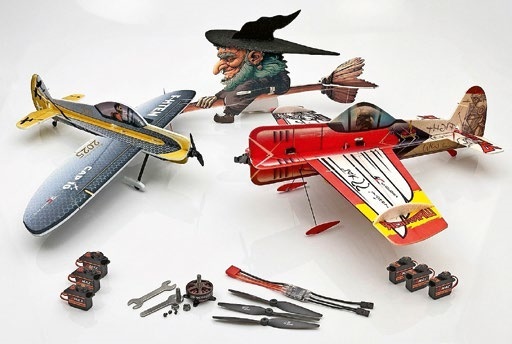
ATOM, THE NEW DOUBLE-DECKER FROM CPLR
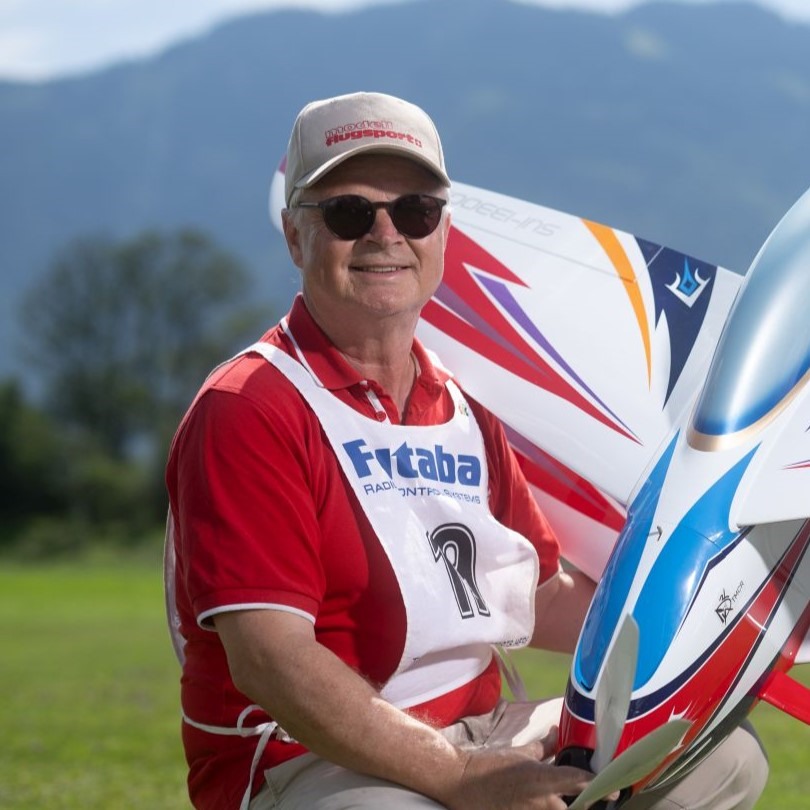 Matthias Bosshard
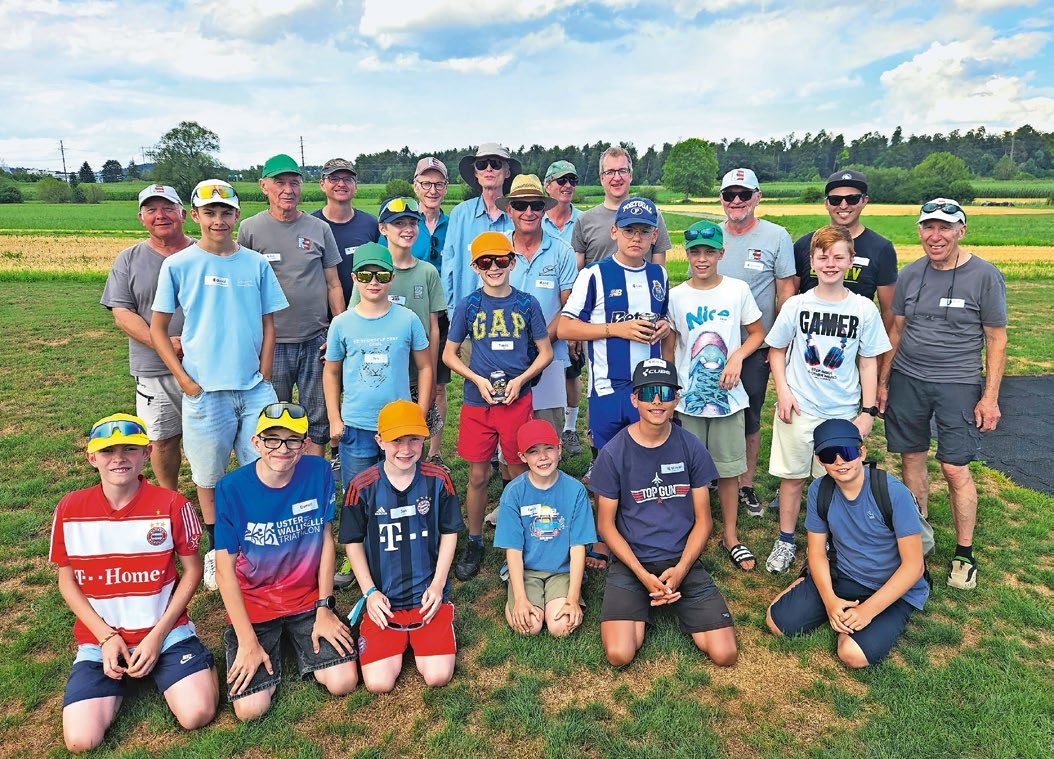
SUMMER FUN 2026 AT MG USTER
Martin Wunderli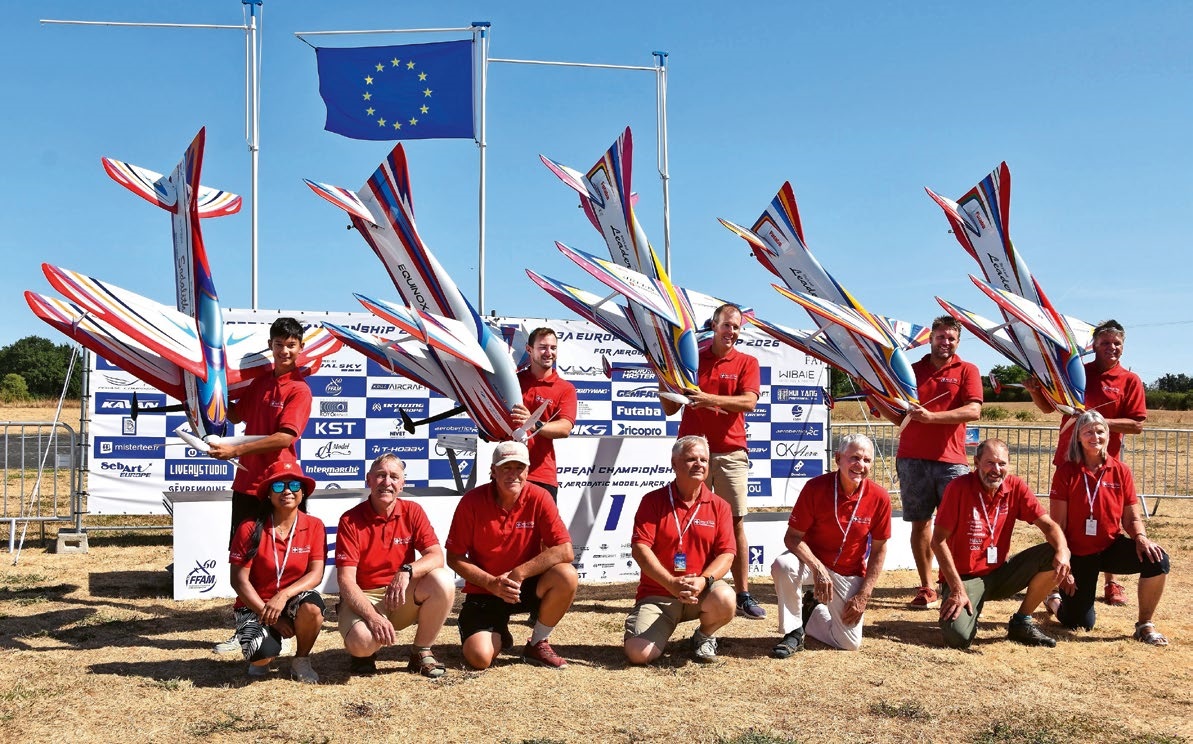
F3A EUROPEAN CHAMPIONSHIPS IN ST-MACAIRE, FRANCE
Matthias Bosshard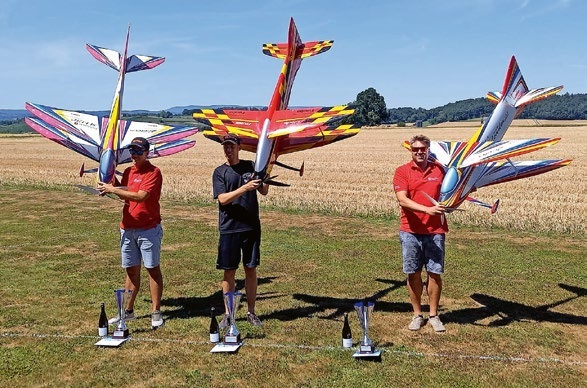
52. 2026 ALPS CUP
Emil Giezendanner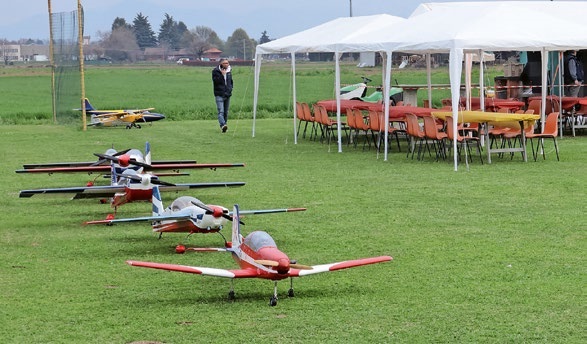
TWIN TOWN PARTNERSHIP
Wolfgang Voeller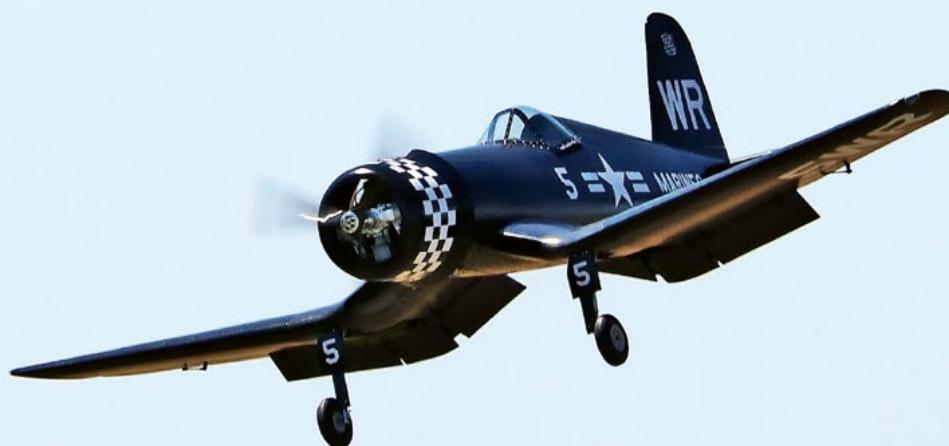
CORSAIR F4U – A WARBIRD WITH A MEMORABLE LOOK
Jürgen Rosenberger, Jürgen Prinz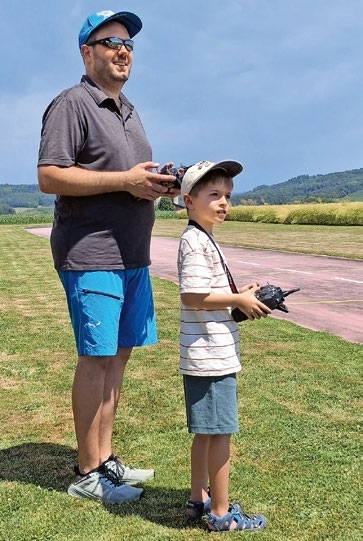
TRY-OUT DAY AT MFV WETTINGEN
Urs Keller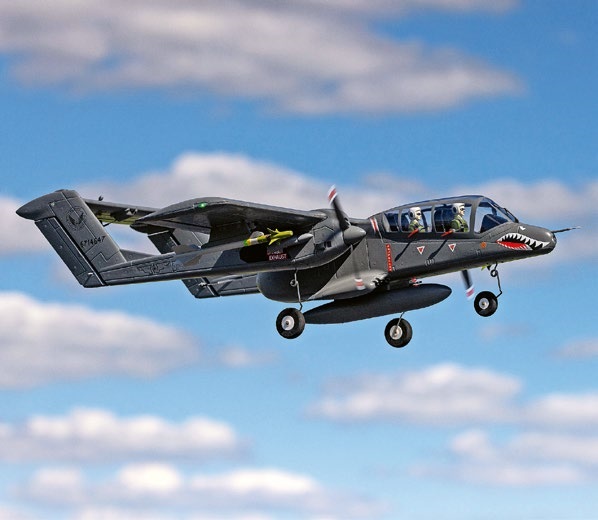
HORIZON HOBBY/LEMACO NEWS: MICRO OV-10 BRONCO 645 MM BY E-FLITE
EURO CONTEST GLIDER ACRO TOUR AUSTRIA 2026
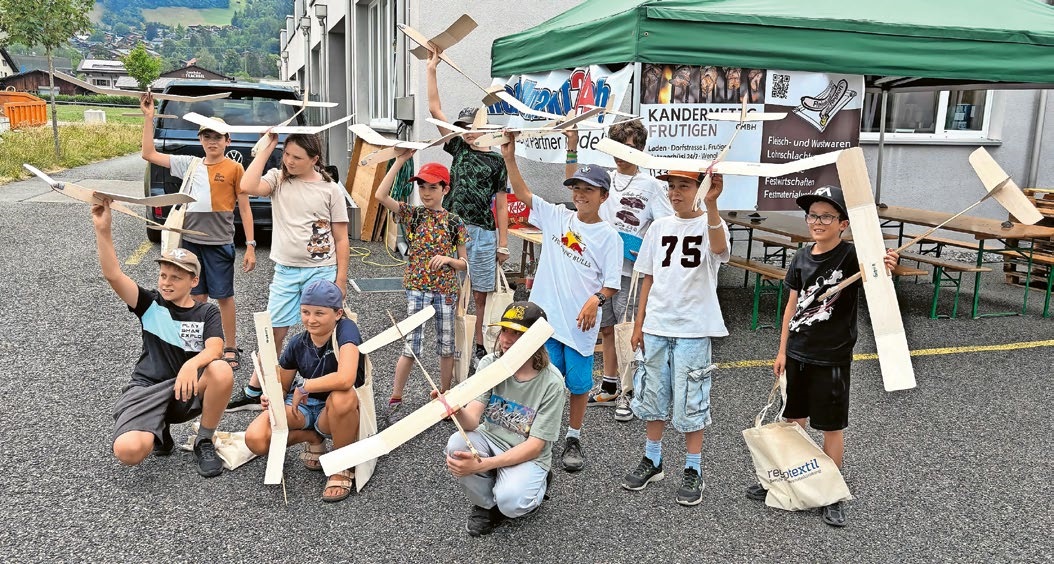
BY YOUTH, FOR YOUTH
Lorena Betschen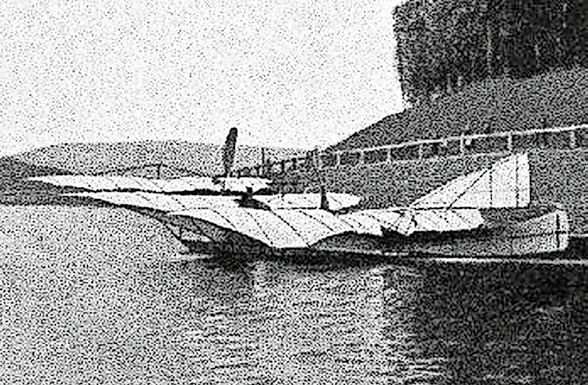
INSIGHTS INTO THE HISTORY OF SEAPLANES
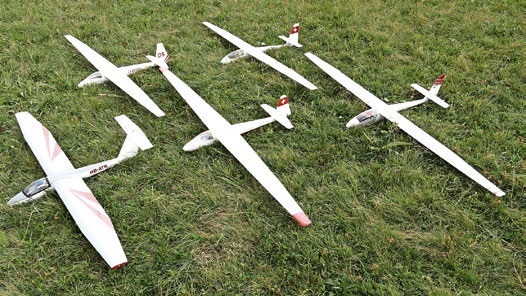
SMALL, MODEL-LIKE SAILBOATS
Res Dauwalder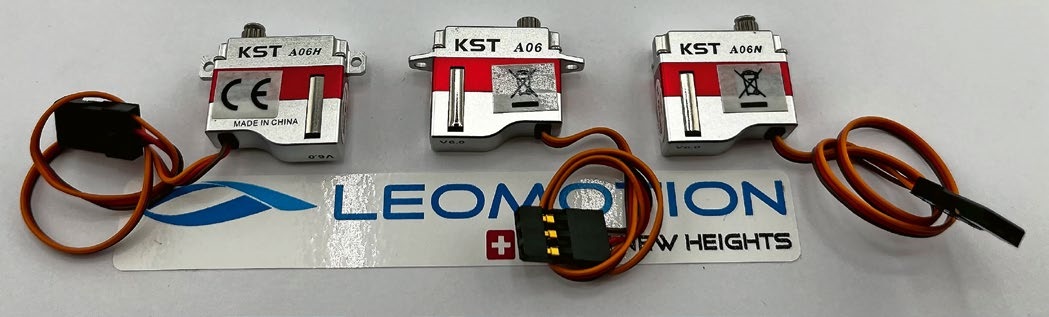
What's New at Leomotion.com
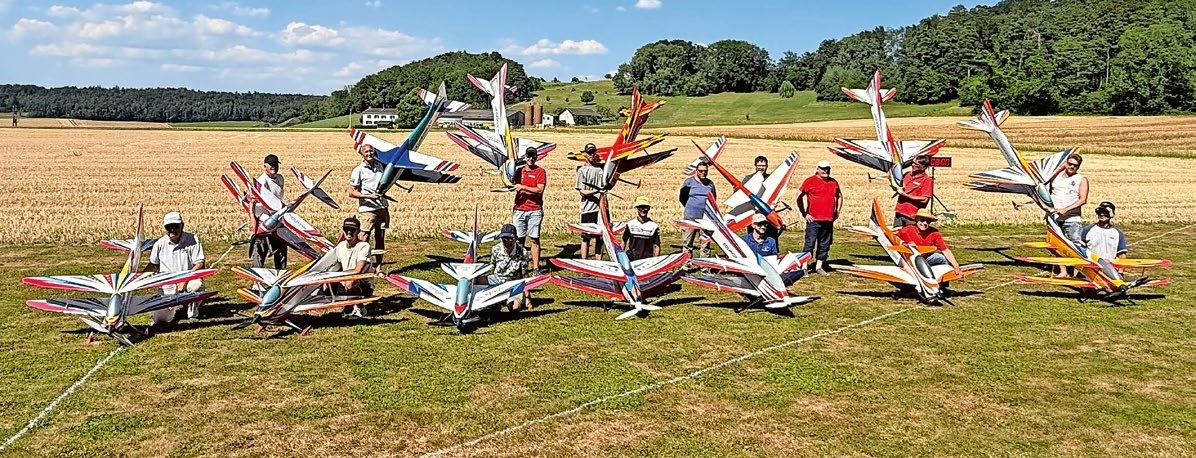
COUPE DES ALPES – OBSERVE AND LEARN
Rodito Nussbaumer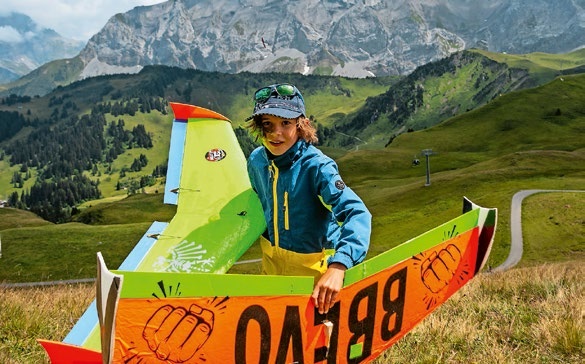
34th HAHNENMOOS ALPINE MODEL AIRPLANE CAMP
Res Dauwalder
WELCOME, NEW MEMBER!
Andrea Bolliger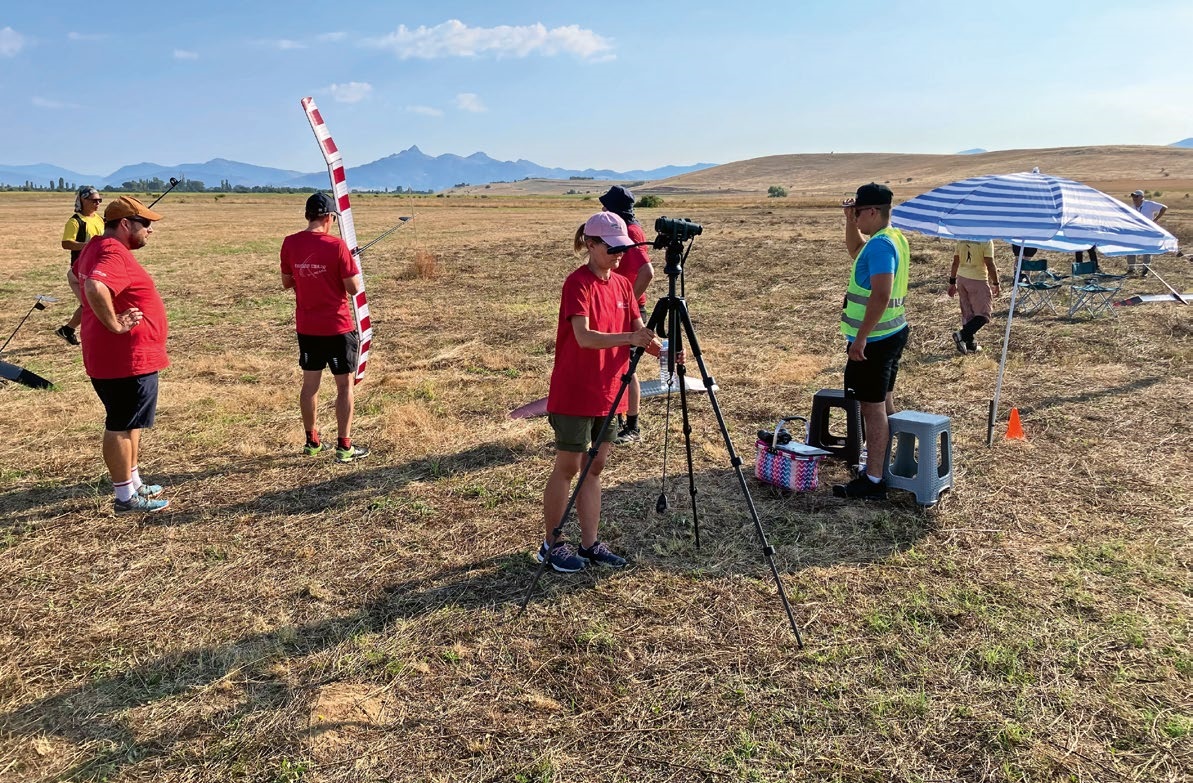
FREE FLIGHT IN THE MIDDLE OF SUMMER
Urs Muntwyler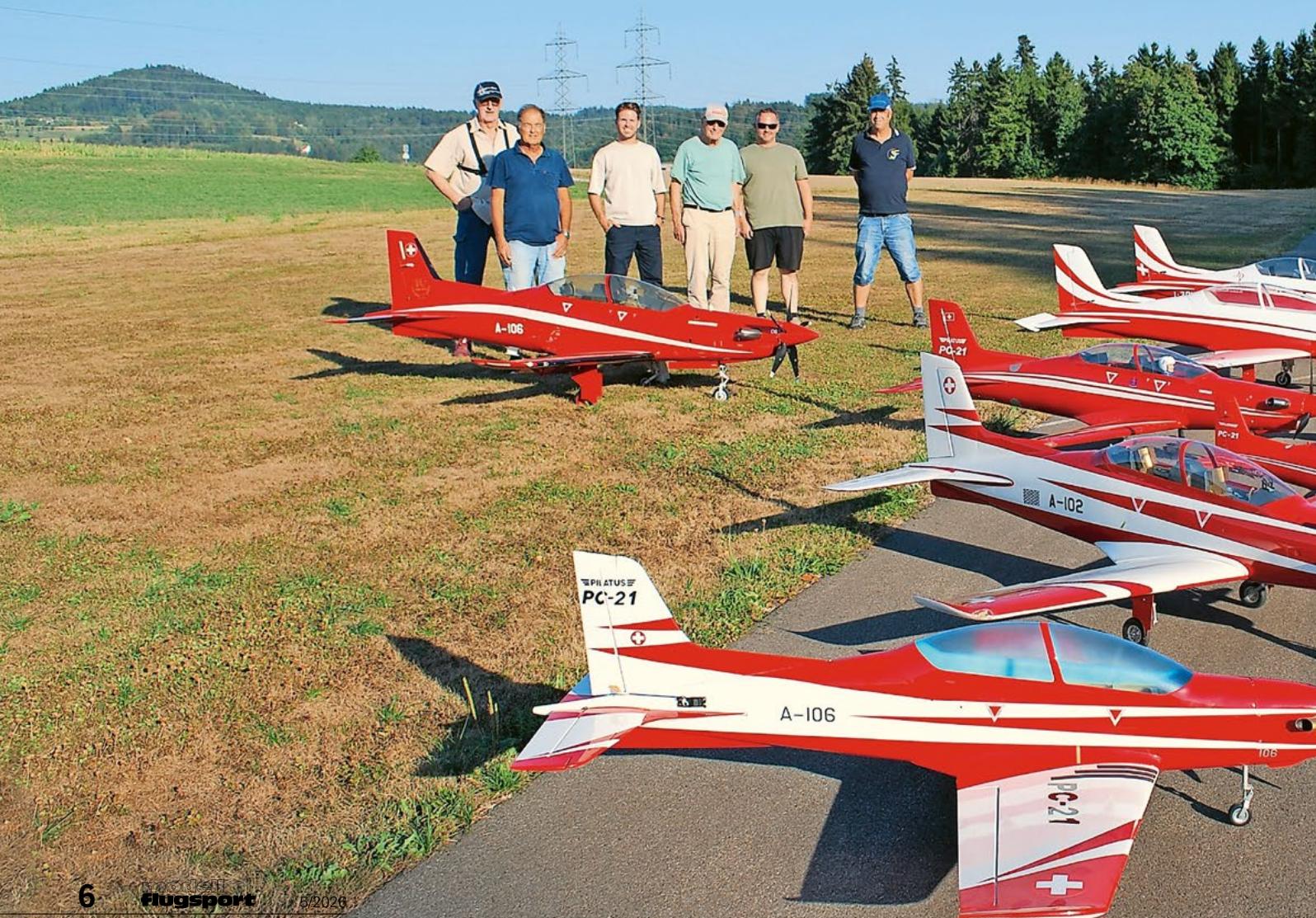
THE PC-21 STORY
Emil Giezendanner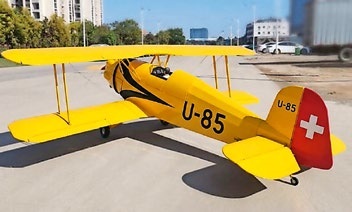
NEWS FROM HEBU
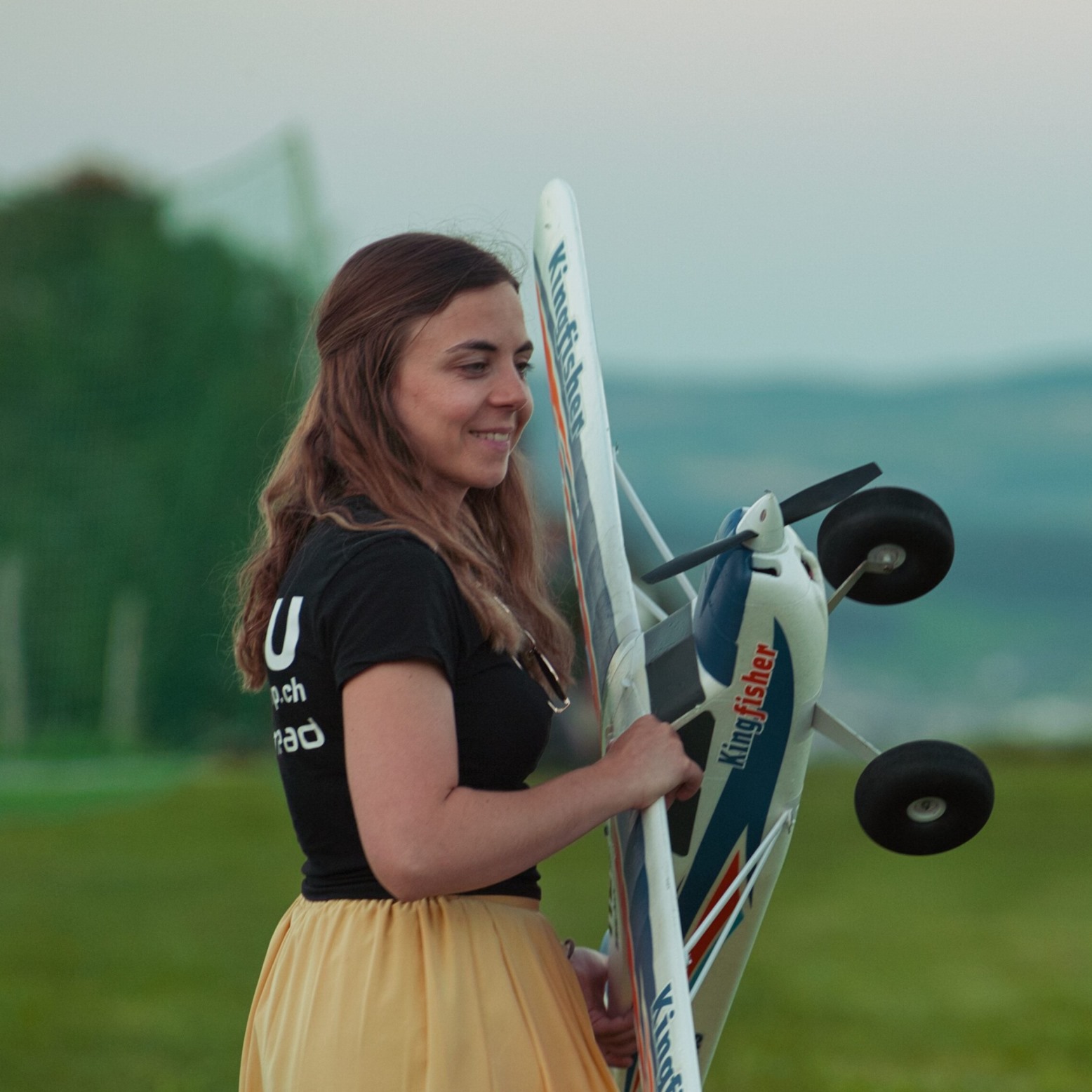 Julia Bucher
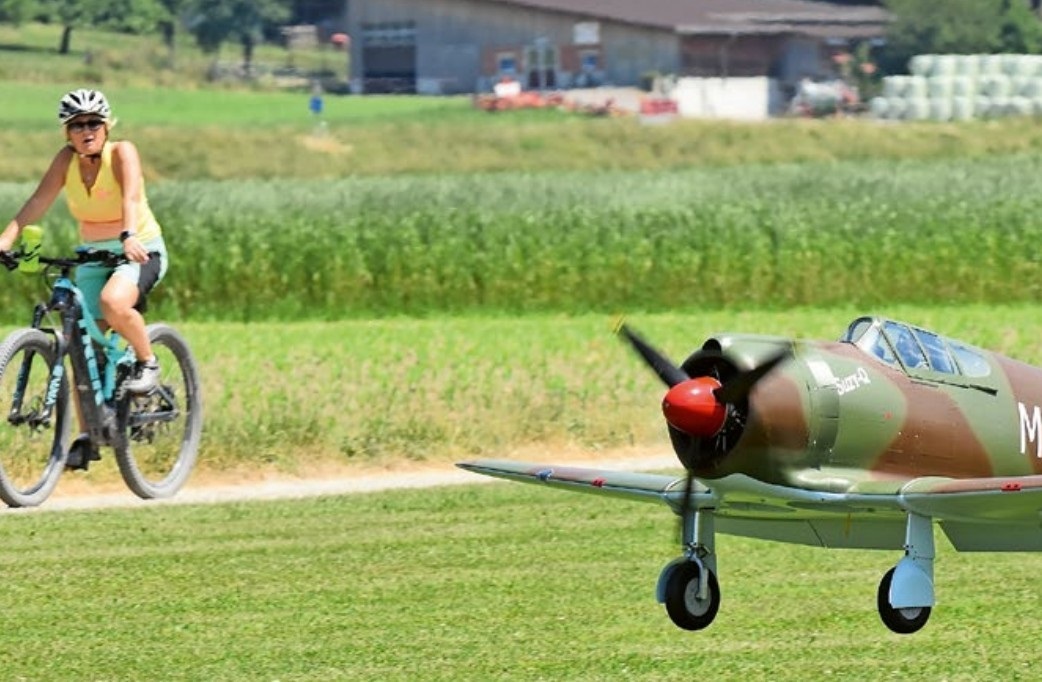
FROM 0 TO 100
Markus Nussbaumer
MEMORIES
Wolfgang Völler
NOS REGION – A HUB FOR ELECTRIC AVIATION
Emil Giezendanner
Have you almost forgotten about aircraft that take off and land vertically?
Emil Giezendanner
DO YOU KNOW WHAT I MEAN IN THE LAND OF SMILES?
Emil Giezendanner