
Upgrade Plastic Fork Heads
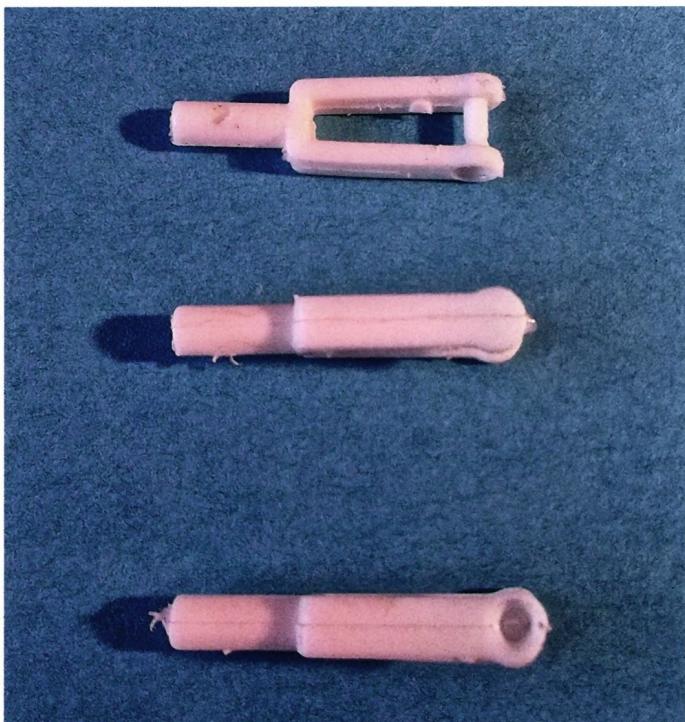
We’ve all been there: The new kit arrives, and when we open it or start assembling the model, we find plastic clevises. Well, actually, we’d usually prefer the metal ones! So we diligently swap them out, and these plastic parts pile up in our model-building box. Most of us have already learned from experience that replacing these plastic parts can sometimes be tricky. Either the threads on the new metal parts don’t fit the existing linkages, or the new linkage parts don’t match the existing rudder horns, and so on. We often replace these plastic parts with more durable versions for safety reasons. But what is the biggest safety risk with these plastic clevises? The plastic clevises themselves are usually sturdy enough and would last for years. The small, molded-in plastic pins used to connect to the rudder horn, however,
, however, often break off easily and pose the greatest safety risk. To counteract this and to be able to reuse the plastic parts more often instead of letting them accumulate in the building kit, I use the following method:
The screw diameter depends on the desired diameter of the connector. I usually use M2 (2 mm) screws and pre-drill the holes in the clevis with a 1.5 mm bit. The screws hold so well this way that I don’t need to secure them further. Assembly on the model is easier if the screws have already been screwed into the clevises beforehand. The hole size on the control horn—or rather, the screw diameter—should be chosen so that there is no play, but the linkage moves smoothly.
I hope this little tip is useful to you, and I wish you all lots of fun building and happy flying.
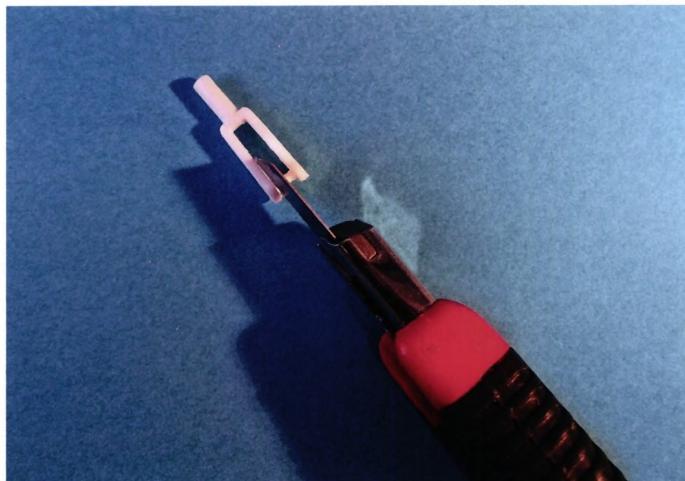
Remove the plastic fork heads and use a utility knife to cut the small connecting pin flush with the surface.
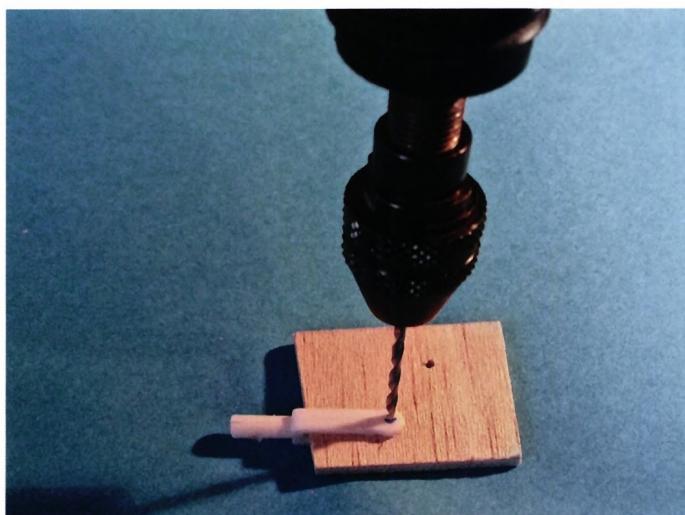
Using a suitable drill bit, drill a small hole exactly where the tenon used to be. On the opposite side, the hole for the tenon is usually already there.
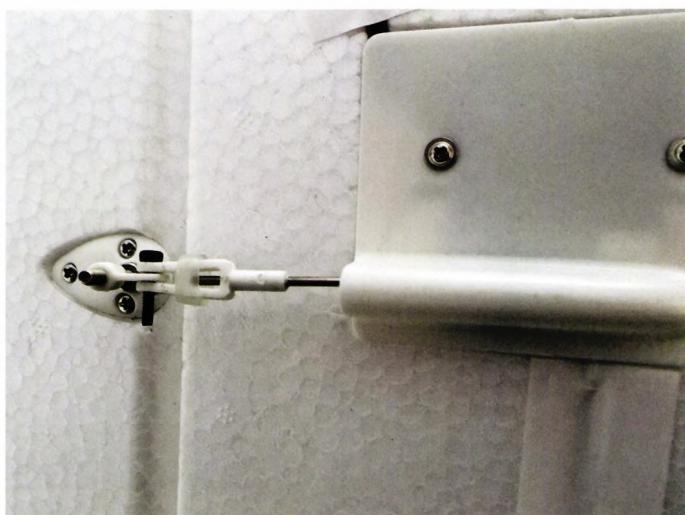
A suitable metric screw is threaded through the two holes and serves as the new connector. And there you have it—the new clevis with a metal connector!


News from HEBU

TEAM MANAGER "THIS" BOSSHARD
 Rodito Nussbaumer

YOU KNOW WHAT I MEAN? 125 YEARS OF THE SWISS AERO CLUB
 Emil Giezendanner

ATOM, THE NEW DOUBLE-DECKER FROM CPLR
 Matthias Bosshard

SUMMER FUN 2026 AT MG USTER
Martin Wunderli
F3A EUROPEAN CHAMPIONSHIPS IN ST-MACAIRE, FRANCE
Matthias Bosshard
52. 2026 ALPS CUP
Emil Giezendanner
TWIN TOWN PARTNERSHIP
Wolfgang Voeller
PRIDE AND GOOD IDEAS
 Markus Nussbaumer

CORSAIR F4U – A WARBIRD WITH A MEMORABLE LOOK
Jürgen Rosenberger, Jürgen Prinz
TRY-OUT DAY AT MFV WETTINGEN
Urs Keller
HORIZON HOBBY/LEMACO NEWS: MICRO OV-10 BRONCO 645 MM BY E-FLITE

EURO CONTEST GLIDER ACRO TOUR AUSTRIA 2026

BY YOUTH, FOR YOUTH
Lorena Betschen
INSIGHTS INTO THE HISTORY OF SEAPLANES

SMALL, MODEL-LIKE SAILBOATS
Res Dauwalder
What's New at Leomotion.com

COUPE DES ALPES – OBSERVE AND LEARN
Rodito Nussbaumer
34th HAHNENMOOS ALPINE MODEL AIRPLANE CAMP
Res Dauwalder
WELCOME, NEW MEMBER!
Andrea Bolliger
FREE FLIGHT IN THE MIDDLE OF SUMMER
Urs Muntwyler
THE PC-21 STORY
Emil Giezendanner
NEWS FROM HEBU
 Julia Bucher

FROM 0 TO 100
Markus Nussbaumer
MEMORIES
Wolfgang Völler
NOS REGION – A HUB FOR ELECTRIC AVIATION
Emil Giezendanner
Have you almost forgotten about aircraft that take off and land vertically?
Emil Giezendanner
DO YOU KNOW WHAT I MEAN IN THE LAND OF SMILES?
Emil Giezendanner