
Pulsojet – The Highlight of the Air Show
25th Anniversary of the Swiss Pulsojet Team
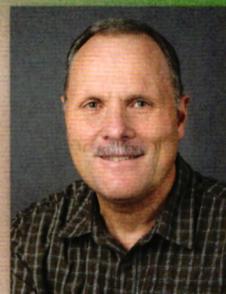
Hermann Mettler
Pulso Delta: Wingspan 1.05 m; length 1.3 m; weight 4.7 kg; max. airspeed 391 km/h, shown here on approach.
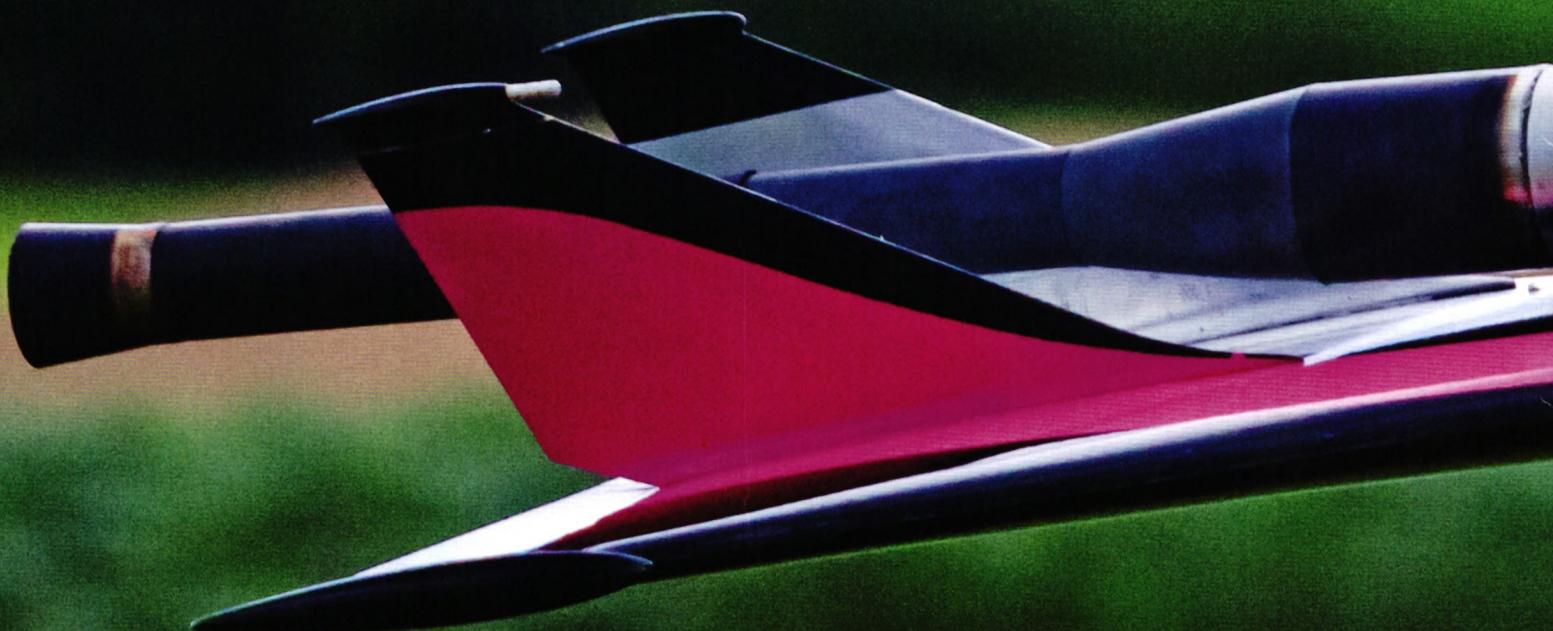
For some pop bands, lasting a quarter of a century is already an eternity. Rogers Knobel has managed to infect his two bandmates, Alfred Andrist (Fred) and Budi Habegger (Budi), so thoroughly with the Pulsojet bug that, after 25 years, they’re still enthusiastically part of the team.
The pulse jet engine is a type of ramjet engine. It has a very simple technical design and, unlike a turbine, contains almost no moving parts. This was also the original reason for its development during World War II. It was first used in series production in the famous V1 rocket (Vergeltungswaffe). In this context, the typical drawbacks of high wear and tear combined with relatively low fuel efficiency were not a concern. Even the loud noise produced by this first cruise missile was readily accepted at first. After all, the JU-87 dive bombers (Stukas) were also able to strike fear into the hearts of the population in enemy territory with their very loud sirens. It was not until later in the war that certain drawbacks of this cost-effective, single-use engine became apparent. The loud noise alerted enemy air defense crews too early. The relatively slow flight speed of approximately 630 km/h allowed the fast fighter aircraft of the time to knock the flying bombs off course—or even send them into a spiral dive—by lightly grazing them with the wingtips. This often resulted in an immediate crash.
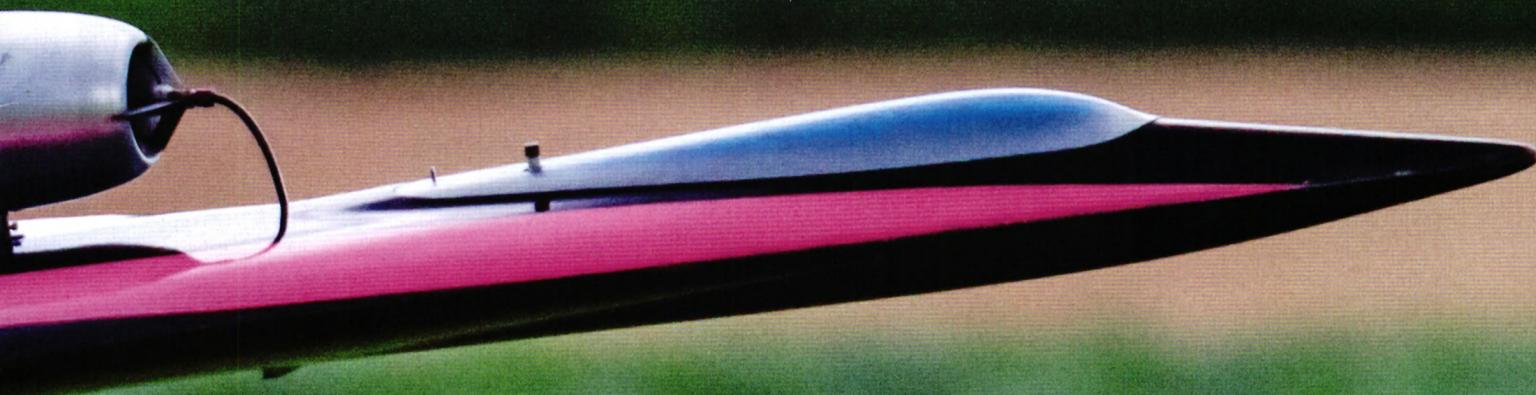
The intake air enters from the front. Immediately behind it, it is mixed with the injected fuel in the combustion chamber and then ignited. This is caused by the burning gas residues from the previous explosion that remain in the tube; from a pyrotechnical perspective, this is actually a deflagration. The rising pressure causes the flutter valves installed at the front to close. The combustion gases now flow only toward the rear. Due to the subsequent drop in pressure in the combustion chamber, the flutter valves open again and draw in fresh air for the next explosion. The gas jet produced in this way provides the thrust necessary for propulsion. The engine becomes very hot during operation. To avoid the risk of thermal damage to the fuselage, the engine must be mounted separately. Thanks to the rapid catapult launch, the rapidly heating tube is immediately cooled from the outside by the airflow, which prevents overheating. The constant explosions inside the tube generate sound waves. These are responsible for the very high noise level. A desired resonance within the tube—which is necessary for operation—further amplifies the sound pressure. As a result, the flutter valves are subjected to extreme stress. They are subject to heavy wear and must be replaced after every other show flight at the latest. This is because they must withstand approximately 240 explosions per second. This is also what creates the typical Pulso sound, which lies in the low-frequency range. Unfortunately, not all residents appreciate this unusual sound. That’s why the Pulso team never flies for more than three minutes and no more than twice a day. In terms of fuel, the engine is fairly undemanding. It can burn pure alcohol, gasoline, diesel, or kerosene. (The jet pictured flies on kerosene.) Depending on the fuel, the smell is either completely neutral or, in the case of kerosene, carries a hint of the big, wide world—just as it’s often very noticeable at most airports.
Every step has been carefully rehearsed. Nothing in a show is left to chance. The safety of everyone involved demands it. The launch pad—a cable-operated catapult—is aligned precisely with the direction of the wind. Fred (on the right in the picture) is currently feeding a mixture of compressed air and gas into the combustion chamber from the front. Budi (on the left in the picture) is ready to ignite the gas from the rear at Roger’s command, thereby initiating the combustion process. Fire-resistant gloves and ear protection are mandatory. As soon as the jet generates thrust, it is accelerated on the catapult and brought up to a controllable speed. During flight, Fred controls the speed by adjusting the fuel injection rate, which is precisely metered by the fuel pump. At the same time, Budi monitors the jet’s flight duration and current speed. A built-in telemetry system provides him with speed readings every second. Since the jet flies very fast and also has excellent gliding capabilities, the landing area must be carefully planned. During the approach, Budi informs the pilot of the readings he has taken so that the pilot can shut off the fuel pump at exactly the right moment and begin the landing. As soon as the plane touches down, Fred breaks into a powerful sprint and brings the jet back to the takeoff point in no time. This allows the next act of the air show to continue without any delay.
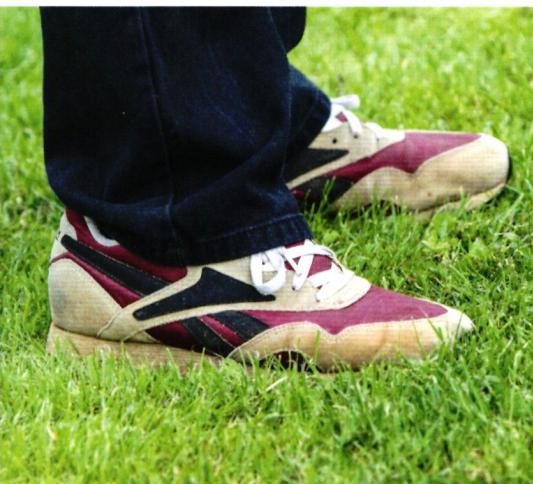
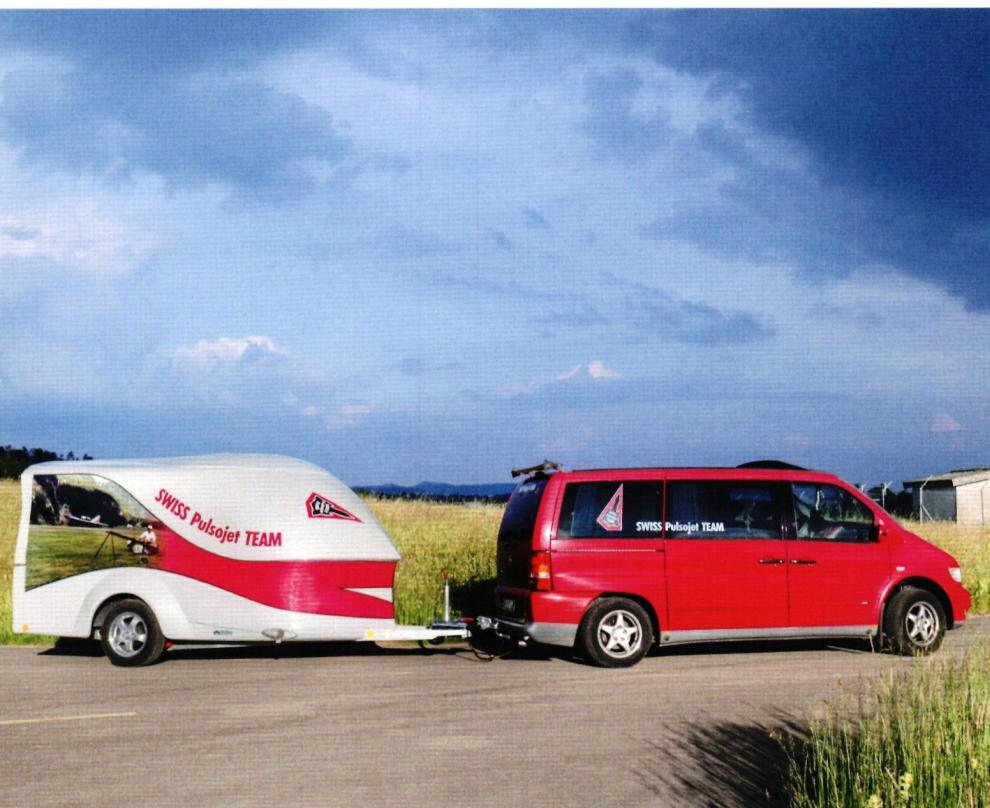
There have been spectators who asked about earning potential in the airshow business. But Rogers had to disappoint them. Like many other hobbies, Pulso flying operates at a significant loss—especially during appearances at airshows in America or Asia. Long trips across half of Europe are often necessary. These require a lot of time and incur significant expenses, all of which are covered entirely by the team. The Pulso team performs mainly to bring joy and entertainment to the many spectators who are fascinated by their act. In addition, the three gentlemen themselves are still enthusiastic about this technology, which they have now mastered to perfection. Thanks to the color pink—which appears on their gear, clothing, tour bus, and even the jet—the team is instantly recognizable to the public. There are already quite a few anecdotes circulating in the show business scene about this. For example, Rogers tried to order the Pamir ear protection in purple. The woman on the phone replied in a slightly cold tone that it was too late for that, since Carnival was already starting next week. The team also has consistent preferences when it comes to drinks. As the pilot, Rogers prefers Coke. Budi and Fred stick to this choice as well and drink it too. Since the plain version of this drink seems a bit monotonous to them over time, they occasionally dilute it with whiskey... However, the slight difference in color goes largely unnoticed by the audience, so their uniform appearance remains intact. American companies call this “corporate identity.” And to make sure the many enthusiastic spectators don’t suddenly get bored after the short show, Budi likes to throw in a few entertaining one-liners at the end. For all Pulsojet enthusiasts, Rogers runs the website www.pulsojet.ch. The location and dates of upcoming performances are always listed there. Well-informed spectators can always be recognized by the Pamir they’re wearing.


News from HEBU

HORIZON HOBBY/LEMACO NEWS: MICRO OV-10 BRONCO 645 MM BY E-FLITE

PRIDE AND GOOD IDEAS
 Markus Nussbaumer

TEAM MANAGER "THIS" BOSSHARD
 Rodito Nussbaumer

YOU KNOW WHAT I MEAN? 125 YEARS OF THE SWISS AERO CLUB
 Emil Giezendanner

F3A EUROPEAN CHAMPIONSHIPS IN ST-MACAIRE, FRANCE
 Matthias Bosshard

ATOM, THE NEW DOUBLE-DECKER FROM CPLR
Matthias Bosshard
SUMMER FUN 2026 AT MG USTER
Martin Wunderli
What's New at Leomotion.com

52. 2026 ALPS CUP
Emil Giezendanner
TWIN TOWN PARTNERSHIP
Wolfgang Voeller
34th HAHNENMOOS ALPINE MODEL AIRPLANE CAMP
Res Dauwalder
CORSAIR F4U – A WARBIRD WITH A MEMORABLE LOOK
Jürgen Rosenberger, Jürgen Prinz
SMALL, MODEL-LIKE SAILBOATS
Res Dauwalder
TRY-OUT DAY AT MFV WETTINGEN
Urs Keller
WELCOME, NEW MEMBER!
Andrea Bolliger
FREE FLIGHT IN THE MIDDLE OF SUMMER
Urs Muntwyler
COUPE DES ALPES – OBSERVE AND LEARN
Rodito Nussbaumer
EURO CONTEST GLIDER ACRO TOUR AUSTRIA 2026

BY YOUTH, FOR YOUTH
Lorena Betschen
INSIGHTS INTO THE HISTORY OF SEAPLANES

THE PC-21 STORY
Emil Giezendanner
NEWS FROM HEBU
 Julia Bucher

FROM 0 TO 100
Markus Nussbaumer
MEMORIES
Wolfgang Völler
NOS REGION – A HUB FOR ELECTRIC AVIATION
Emil Giezendanner
DO YOU KNOW WHAT I MEAN IN THE LAND OF SMILES?
Emil Giezendanner
Have you almost forgotten about aircraft that take off and land vertically?
Emil Giezendanner