
The Last Days of Saint-Exupéry
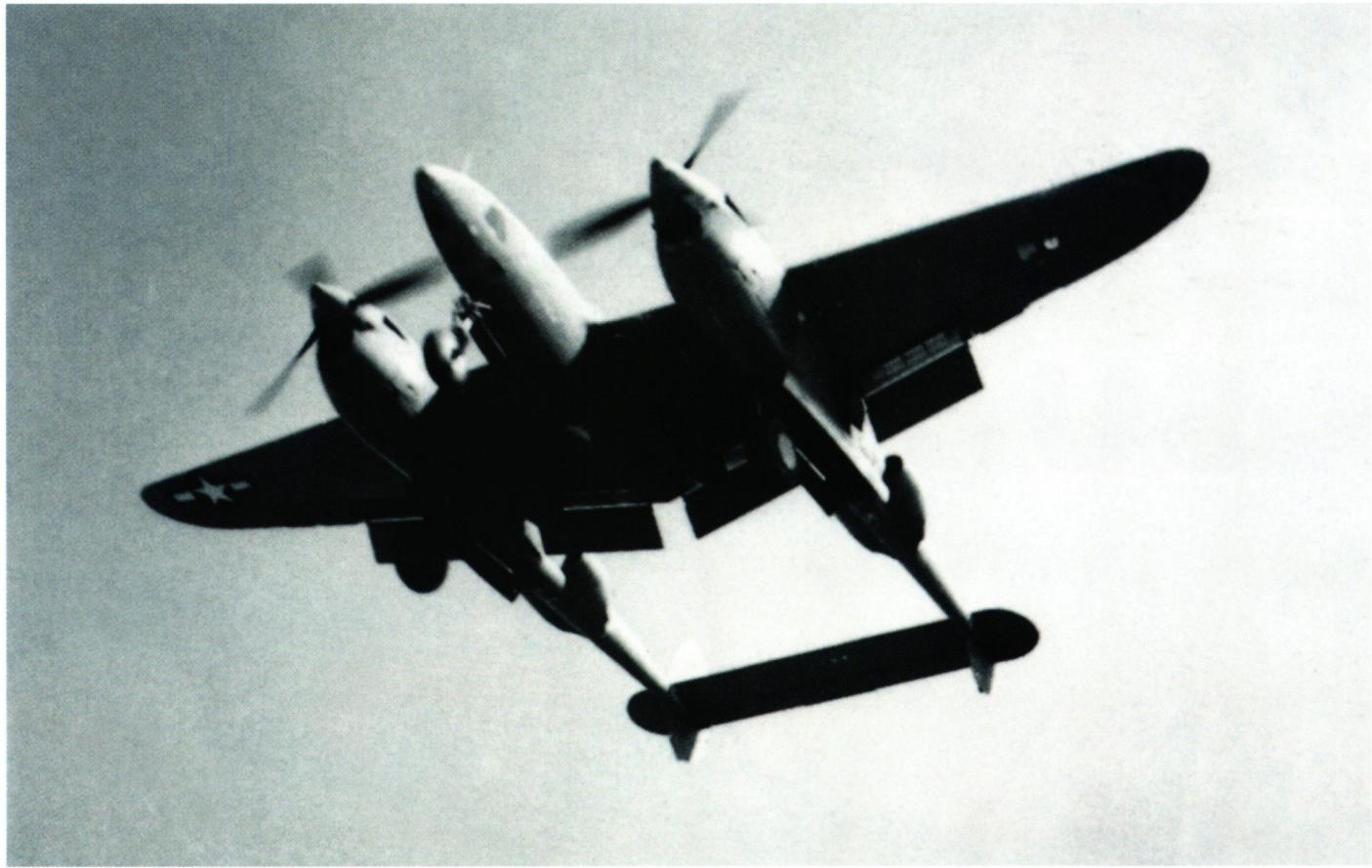
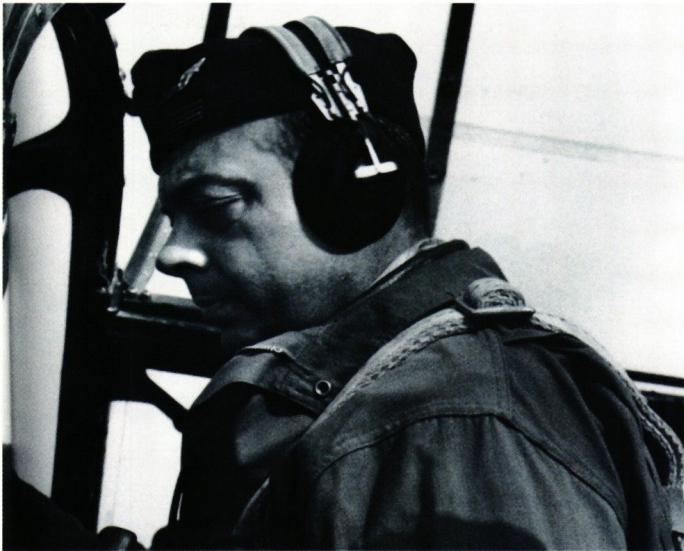
There were a thousand reasons for this immense weariness at the end of his life: his estrangement from his eccentric wife, Consuelo, who cheated on him and whom he, in turn, cheated on without a second thought; the unjustified attacks by the Gaullists, who accused him of having gone into exile in New York and, now that he had returned to France at the age of 43, of having enlisted in the U.S. Army; and especially that sword of Damocles hanging over him: after returning from his mission on July 31, he would never be allowed to fly again. The Americans, who had nevertheless entrusted him with the controls of this heavily armed Lightning—which was crammed with electronics and cameras intended for photographic reconnaissance of the Normandy landings—began to grow restless. “Sir, I want to die for France,” he had said boldly to one of the U.S. Army officers. The other had shown no emotion: “Whether you die for France or not is irrelevant, but you won’t be doing it in one of our planes.”
On the eve of his final takeoff from the Borgo base in Corsica, not far from Bastia, Antoine de Saint-Exupéry had celebrated one last time to forget it all. He also wanted to forget the sad end of what had once been the adventure of his life: the airmail service. Both of its founders, Pierre-Georges Latécoère and Marcel Bouilloux-Lafont, were dead. All his comrades from those adventures had also vanished. Mermoz in 1936, Guillaumet in 1940—both swallowed up by the depths of the Atlantic. “I thought that only happened to very old people—that you leave all your friends behind along the way, really all of them.” In Corsica, a fortune-teller who mistook him for a sailor had predicted that he would die by drowning. And deep down, he didn’t mind: “It doesn’t feel like you’re dying; you just feel like you’re falling asleep and dreaming.” Another fortune-teller, who had predicted fifteen years earlier that he would one day become a great writer and marry a stranger, had been right. And she had added: “Stay away from the sea, and as soon as you turn 40, be wary of the airplanes you fly in.”
After all this, is it any wonder that his penultimate mission, which took place eight days earlier, was deemed suicidal by historians? He had strayed into Turin, was being chased by the Germans, but he simply turned his rearview mirror away and let them come. But the enemy vanished again. His time simply hadn’t come yet.
On that July 31, 1944, at 9 a.m., Antoine de Saint-Exupéry took off into the Corsican sky, with his bracelet and his dark thoughts. I like to think that on his return from his reconnaissance mission, as he flew over the Rhône Valley, he waved to his family’s house, where his mother was at the time. Long afterward, Marie recounted that she had heard the engine of his plane, and that although she couldn’t make out anything through the clouds, she was certain it was him... And after that? I don’t know. No one knows. And I understand Saint-Exupéry’s heirs, who didn’t want his final resting place to be found so that the mystery might remain. But the gods had other plans. The legend is unstoppable, forever. The fragments of the P-38 Lightning will be exhibited at the Aviation Museum in Le Bourget, and all those little stars that the author of *The Little Prince* sowed in our children’s hearts will remain there forever.
Patrick Poivre d'Arvor
Text: Le Figaro, German
translation: Stefan Metzger
Photos: Le Figaro and
Musée de l'Elysée

EURO CONTEST GLIDER ACRO TOUR AUSTRIA 2026

THE PC-21 STORY
 Emil Giezendanner

TWIN TOWN PARTNERSHIP
 Wolfgang Voeller

SUMMER FUN 2026 AT MG USTER
Martin Wunderli
CORSAIR F4U – A WARBIRD WITH A MEMORABLE LOOK
Jürgen Rosenberger, Jürgen Prinz
52. 2026 ALPS CUP
Emil Giezendanner
YOU KNOW WHAT I MEAN? 125 YEARS OF THE SWISS AERO CLUB
Emil Giezendanner
News from HEBU

TEAM MANAGER "THIS" BOSSHARD
Rodito Nussbaumer
ATOM, THE NEW DOUBLE-DECKER FROM CPLR
 Matthias Bosshard

F3A EUROPEAN CHAMPIONSHIPS IN ST-MACAIRE, FRANCE
Matthias Bosshard
INSIGHTS INTO THE HISTORY OF SEAPLANES

WELCOME, NEW MEMBER!
Andrea Bolliger
What's New at Leomotion.com

PRIDE AND GOOD IDEAS
 Markus Nussbaumer

SMALL, MODEL-LIKE SAILBOATS
Res Dauwalder
FREE FLIGHT IN THE MIDDLE OF SUMMER
Urs Muntwyler
BY YOUTH, FOR YOUTH
Lorena Betschen
34th HAHNENMOOS ALPINE MODEL AIRPLANE CAMP
Res Dauwalder
HORIZON HOBBY/LEMACO NEWS: MICRO OV-10 BRONCO 645 MM BY E-FLITE

COUPE DES ALPES – OBSERVE AND LEARN
Rodito Nussbaumer
TRY-OUT DAY AT MFV WETTINGEN
 Urs Keller

NEWS FROM HEBU
 Julia Bucher

NOS REGION – A HUB FOR ELECTRIC AVIATION
Emil Giezendanner
MEMORIES
 Wolfgang Völler

70 YEARS OF THE NIDWALDEN MODEL AIRPLANE CLUB
Martin Barmettler
A SPECTACULAR F3A WORLD CUP IN THE PRINCIPALITY OF LIECHTENSTEIN
Emil Giezendanner
FROM 0 TO 100
Markus Nussbaumer